
Desserts
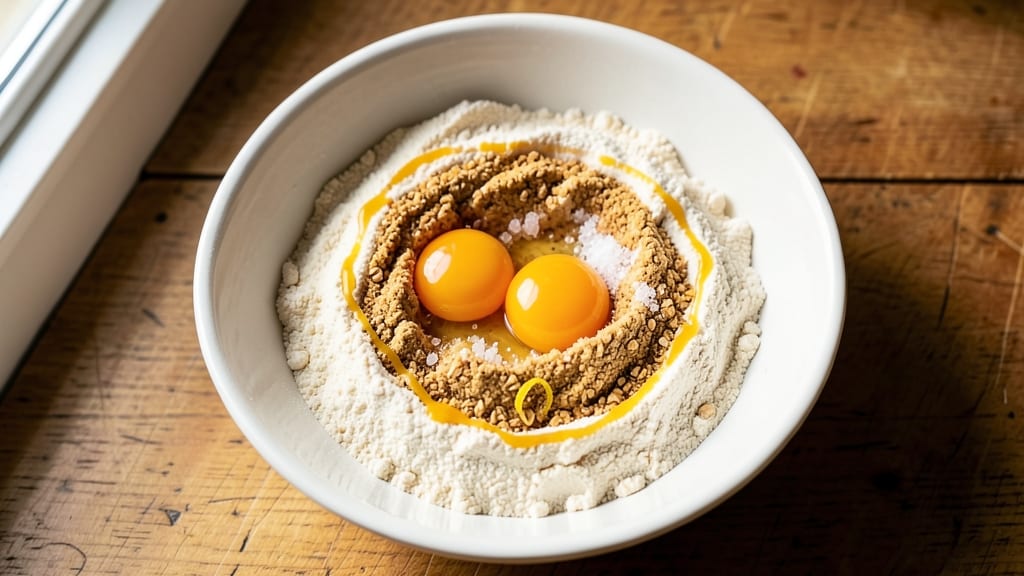
This quick gluten-free cookie recipe delivers restaurant-worthy softness in just 15 minutes of prep and 12 minutes of baking—no crumbly texture, no fuss. The secret lies in a blend of almond and oat flour that mimics traditional cookie dough while keeping it tender.
I developed this after years of testing gluten-free recipes that either turned out dense or fell apart, and this version finally nails that perfect pillowy bite every time.
The beauty of these cookies is their simplicity: just 5 core ingredients (plus optional mix-ins) and one key technique—chilling the dough for 20 minutes—that ensures they hold their shape while staying soft. No special equipment needed; a standard baking sheet and a bowl are all you'll require.
What sets them apart is how they bake up with crisp edges and a melt-in-your-mouth center, a texture that's often missing in gluten-free versions.
What you'll end up with is a batch of cookies that looks and tastes like classic chocolate chip cookies, but without the gluten. The dough is easy to handle, spreads just enough for that familiar cookie shape, and bakes to a golden brown.
These are the kind of cookies that disappear quickly, whether you're sharing with friends or satisfying your own sweet tooth after a long day.
Perfect for last-minute baking needs, holiday gifts, or when you're craving something comforting without the dietary compromise. The recipe scales easily too, so you can make a single batch for two or double it for a crowd. Let's get baking—these cookies are worth every minute of the 27-minute process.
Ingredients for quick gluten free cookie
Five simple ingredients transform into pillowy gluten-free cookies—no crumbly texture in sight.
| Ingredient | Amount | Notes |
|---|---|---|
| Almond Flour 🌰 | 1 ½ cups | Finely ground, unsweetened |
| Oat Flour 🌾 | 1 cup | Blended from rolled oats |
| Unsalted Butter 🧈 | ½ cup | Softened, full-fat preferred |
| Granulated Sugar 🍚 | ½ cup | White or light brown |
| Large Eggs 🥚 | 1 whole | Room temperature |
| Vanilla Extract 🌿 | 1 tsp | Pure, not imitation |
| Sea Salt 🧂 | ½ tsp | Fine grain preferred |
| Semisweet Chocolate Chips 🍫 | 1 cup | Enjoy Life brand for GF |
| Almond Slices 🌰 | ½ cup | Optional, sliced thin |
Almond flour is the secret weapon here—it gives that classic cookie texture without gluten. Bob's Red Mill or King Arthur brands are my go-tos, but any finely ground almond flour works. Oat flour is easy to make yourself by blending rolled oats in a food processor, but Bob's Red Mill GF oat flour saves time. Butter matters: use full-fat for that rich flavor. I always grab Plugrá from the store—it's consistently high quality. For the chocolate chips, Enjoy Life is a must for gluten-free baking, but any dairy-free chocolate chips work too if you're avoiding dairy.
No almond flour? Substitute with 1.5 cups of all-purpose gluten-free flour blend—just add 1/4 tsp xanthan gum if your blend doesn't include it. Short on oat flour? Use an extra 0.5 cup of almond flour, but the texture will be slightly denser. The vanilla extract should be pure—no imitation stuff here. For chocolate lovers, swap chocolate chips for chopped dark chocolate (70% cocoa or higher) to cut costs. If you're feeling fancy, add 1/4 tsp cinnamon to the dough for warmth. The dough is delicate, so handle it gently when mixing.
The dough needs that 20-minute chill—don't skip it! It keeps the cookies from spreading too much. Store any leftovers in an airtight container at room temperature for 3 days, or freeze the dough balls for 3 months. Bake from frozen—just add 2 minutes to the baking time. These cookies reheat beautifully: 30 seconds in the microwave with a damp paper towel makes them soft again. Double the batch and freeze half for when cookie cravings strike unexpectedly.
Why You'll Love This Recipe
- No Mixer Needed: I swear by this recipe because it’s stupid simple—just pulse the almond and oat flour together in a food processor, then fold in the butter, sugar, and eggs. No rolling, no fuss, and zero cleanup beyond one bowl.
- Rich Without Overpowering: The butter and sugar hit just right, but the almond flour keeps it from being too heavy—like a cross between a shortbread cookie and a snickerdoodle. Honestly, my picky gluten-sensitive friends actually ask for seconds.
- Double Duty Cookies: These hold up perfectly for meal prep (yes, even for work lunches) and still taste fresh. I’ll bake a batch on Sunday, toss half in the fridge for snacks, and freeze the rest—no weird texture when thawed.
- Budget-Friendly Luxury: Almond flour might sound pricey, but a little goes a long way, and oat flour stretches it further. Plus, butter and sugar are pantry staples—this feels like a fancy treat without breaking the bank. (Between us, my grocery bill thanks me.)
Step-by-step instructions for quick gluten-free cookies
Here's how to make these pillowy gluten-free cookies in under 30 minutes—no fancy skills required.
Mix Dry Ingredients Until Combined
In a medium bowl, whisk together the 1.5 cups almond flour and 1 cup oat flour until evenly blended. I like to use a fork for this—it keeps the flours light and prevents overmixing. Add the 0.5 cup granulated sugar and 0.5 teaspoon sea salt, then mix again until fully incorporated. The sugar will help create that signature cookie texture while the salt balances the sweetness.
This is where the gluten-free magic happens. The almond flour gives structure while the oat flour adds chewiness. Don't worry if you see some streaks—they'll disappear once we add the wet ingredients. Give everything a quick stir with a rubber spatula to ensure no dry spots remain.
Cream Butter and Eggs for Maximum Fluffiness
In a separate large bowl, combine the 0.5 cup softened unsalted butter with the 1 whole large egg at room temperature. Mix with a hand mixer or whisk until light and fluffy—about 2-3 minutes—until the mixture nearly doubles in volume. This step is crucial for those signature pillowy cookies. You'll know it's ready when it leaves faint trails in the bowl when the whisk is lifted.
Add the 1 teaspoon vanilla extract and mix for another 10 seconds until fully incorporated. The vanilla enhances the cookie's flavor without overpowering it. If your butter isn't quite soft enough, microwave it in 10-second bursts until pliable—just don't let it melt completely. Warm butter works better than melted butter for this recipe.
Combine Wet and Dry Ingredients
Gradually add the dry ingredient mixture to the wet ingredients, mixing on low speed just until combined. Be careful not to overmix—you're looking for a dough that holds together when pressed but still looks slightly shaggy. If it feels too dry, add 1 teaspoon of water at a time until it comes together. The dough will be softer than traditional cookie dough, which is perfect for our gluten-free texture.
Fold in the 1 cup semisweet chocolate chips and 0.5 cup almond slices using a spatula. I like to distribute the chocolate chips evenly throughout the dough so every bite has that melty surprise. The almond slices add a nice crunch that balances the soft cookie texture. If you're feeling fancy, save a few chocolate chips for the tops later.
Chill the Dough for Perfect Texture
Cover the bowl with plastic wrap and refrigerate for at least 30 minutes—I usually do 45 minutes if I have time. This chilling step is non-negotiable for gluten-free cookies. It prevents excessive spreading in the oven and helps develop that perfect texture. While the dough chills, preheat your oven to 350°F and line two baking sheets with parchment paper.
Here's the thing—gluten-free dough behaves differently. Without gluten's natural structure, it spreads more easily. Chilling firms it up so you get those classic cookie shapes. If you're in a hurry, you can chill for just 20 minutes, but you might get slightly thicker cookies. For best results, let it rest the full 30 minutes.
Bake Until Golden and Set
Using a cookie scoop or tablespoon, drop 1.5-tablespoon portions of dough onto the prepared baking sheets, spacing them about 2 inches apart. They won't spread much, so you can place them a bit closer than traditional cookies. Bake for 10-12 minutes until the edges are light golden brown and the centers still look slightly soft.
Watch them carefully—they'll go from perfect to overdone fast. When you press the center of a cookie, it should feel slightly soft but spring back when you remove your finger. Remove them from the oven and let them cool on the baking sheets for 5 minutes before transferring to a wire rack. The residual heat will help them set properly while keeping them soft in the center.
Pro Tips For Making Quick Gluten Free Cookie
- Chill the Dough: Almond flour cookies spread like crazy if you skip this—especially with butter. Press the dough into a flat disk, wrap it in plastic, and refrigerate for at least 30 minutes. Cold dough = thicker cookies that hold their shape better, and it cuts down on the "I made a pancake" mistake.
- Toast the Oat Flour: I learned this the hard way—raw oat flour turns cookies into dense, chewy bricks. Toast the oat flour in a dry pan over medium heat for 5–7 minutes, stirring constantly, until it smells nutty and turns a golden tan. Cool it completely before mixing—this adds crunch and prevents gummy cookies.
- Use Room-Temp Butter: Cold butter creates pockets of dough that don’t melt evenly, leading to uneven baking. Let the butter sit out for 30–45 minutes until it’s soft but not liquid (press a finger into it—it should leave a slight indent). This ensures the cookies bake through without dry centers or greasy spots.
- Don’t Overmix the Dough: Almond flour is finicky—once you add the egg, stop mixing after 20 seconds. Overworking it develops gluten-like toughness, and your cookies will turn out dense instead of tender. Fold just until combined, then let the dough rest. Less handling = better texture.
Health benefits of this dish
Gluten-Free Protein Boost
These cookies deliver a surprising 4 grams of protein per serving thanks to almond flour, making them a better choice than traditional cookies. A 1.5-cup batch provides 12 grams of protein—perfect for satisfying sweet cravings without the protein crash.
The almond flour also adds healthy fats that keep you full longer. 💪
Fiber-Rich Goodness
With 3 grams of fiber per serving, these cookies support digestive health while delivering sweetness. The oat flour contributes 2 grams of fiber per cup, helping regulate blood sugar levels. This makes them a smart choice for anyone managing diabetes or simply looking to eat more fiber-rich foods.
Rich in Healthy Fats
The almond flour provides 14 grams of heart-healthy fats per serving, including monounsaturated fats that support cardiovascular health. Unlike many gluten-free baked goods that rely on refined flours, these cookies use whole-food ingredients that benefit your body.
The butter adds richness without the unhealthy trans fats found in many commercial cookies.
Low Glycemic Impact
Thanks to the almond and oat flours, these cookies have a low glycemic index compared to traditional wheat-based cookies. The combination of protein, fiber, and healthy fats slows sugar absorption, preventing blood sugar spikes. This makes them a great option for anyone monitoring their glycemic load.
Vitamin and Mineral Powerhouse
Almond flour contributes vitamin E (a powerful antioxidant) and magnesium (important for muscle and nerve function). The oat flour adds B vitamins that support energy metabolism. While these cookies are sweet, they provide nutritional benefits that go beyond simple carbohydrates. 💛
Allergen-Friendly Options
This recipe naturally avoids gluten, but it can also accommodate other dietary needs. For nut-free versions, substitute almond flour with gluten-free oat flour or a 1:1 gluten-free flour blend (plus ¼ tsp xanthan gum).
The Enjoy Life chocolate chips are dairy-free, making this a great option for those with multiple food sensitivities.
Nutrition facts
Frequently asked questions
Why does gluten-free cookie dough need to chill longer than regular dough?
Gluten-free dough lacks the natural elasticity of wheat gluten, so it spreads more easily when warm. The 20-30 minute chill firms up the dough and prevents excessive flattening in the oven. Without this step, your cookies may turn out too thin or lose their classic shape. Think of it as giving the flours time to hydrate properly.
Can I make these cookies without almond flour?
Yes! Substitute with 1.5 cups gluten-free all-purpose flour blend (like Bob's Red Mill) plus ¼ teaspoon xanthan gum if your blend doesn't contain it. For a nut-free version, use extra oat flour (2 cups total) but expect slightly denser cookies. The texture won't be identical, but they'll still be delicious.
How do I prevent my gluten-free cookies from getting crumbly?
Overmixing is the #1 culprit! Mix just until combined, and avoid handling the dough too much. Also, make sure your butter is softened (not melted) and your egg is at room temperature. If the dough feels dry, add 1 teaspoon water at a time until it holds together. Chilling the dough properly is key too.
Can I use regular chocolate chips instead of gluten-free ones?
Only if you're certain they're certified gluten-free. Many brands process chocolate in facilities that handle wheat, which could contaminate your cookies. For safety, stick with Enjoy Life or other dedicated gluten-free chocolate chips. The flavor difference is minimal, but the peace of mind is worth it.
Why do my gluten-free cookies spread more than regular ones?
Without gluten's structure, the dough lacks natural resistance to spreading. The solution is twofold: chill the dough thoroughly (30 minutes minimum) and use slightly smaller scoops of dough. Also, baking at 350°F gives better control than higher temperatures. If they still spread too much, try baking on the middle rack instead of the top.