
Breakfast & Brunch
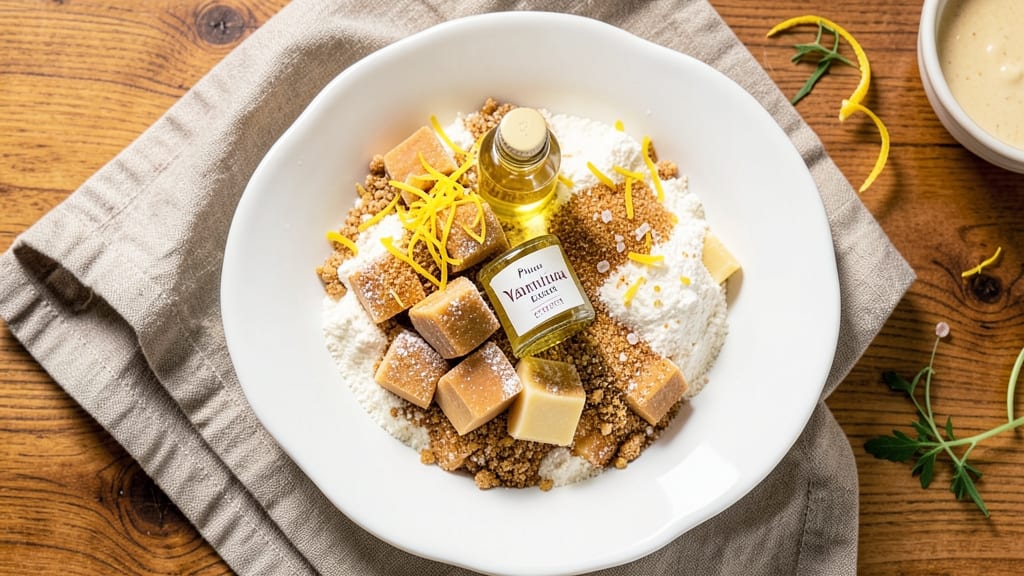
This shortbread cookie recipe no eggs proves you don’t need eggs for buttery, crumbly perfection—just rich butter, flour, and a little patience. The secret lies in the dough's texture: cold butter creates delicate layers that bake into tender, melt-in-your-mouth bites with crisp edges.
I’ve perfected this version after years of testing, ensuring the signature shortbread flavor without compromising structure or richness.
What makes this recipe work is the 3:2 butter-to-flour ratio, a classic shortbread rule that guarantees that signature crunch. The dough comes together in minutes but must chill for at least an hour—this step is non-negotiable for clean cuts and even baking.
No eggs means we rely on proper chilling and gentle handling to maintain the dough’s integrity, resulting in cookies that stay crisp rather than spreading.
By the time they emerge from the oven, you’ll have golden, buttery shortbread cookies with a texture that’s both tender and crumbly—no eggs, no binders, just pure flour and butter magic.
The aroma alone will fill your kitchen with warmth, and the first bite delivers that classic shortbread experience without any dietary compromises. These cookies stay fresh for days, making them perfect for gifting or stashing in your pantry.
For extra flavor, try adding vanilla extract, lemon zest, or a touch of honey to the dough—each variation enhances the base recipe without altering its fundamental texture. Let’s get baking!
Ingredients for shortbread cookie recipe no eggs
Just butter, flour, and a pinch of patience—these eight staples create classic shortbread magic.
| Ingredient | Amount | Notes |
|---|---|---|
| Unsalted Butter 🧈 | 2 cups | Cold, cubed for texture |
| All-Purpose Flour 🌾 | 1 ½ cups | Sifted for lightness |
| Granulated Sugar 🍚 | ¼ cup | Fine grain preferred |
| Vanilla Extract 🌿 | 1 tsp | Pure vanilla preferred |
| Salt 🧂 | ½ tsp | Fine sea salt |
| Lemon Zest 🍋 | 1 tbsp | Fresh, finely grated |
| Honey 🍯 | 1 tbsp | Optional for extra sweetness |
| Heavy Cream 🥛 | 2 tbsp | Cold, for dough binding |
The butter is everything here. European-style butter with high fat content (like Plugrá or Land O'Lakes) gives the best flavor and texture—none of that low-fat nonsense. Grab it from the dairy case, not the baking aisle, and let it sit at room temperature for 30 minutes before cubing. The flour? King Arthur or Gold Medal are my go-tos—they’re reliable and give consistent results. Sift it first if you can, but if not, just whisk it in a bowl to break up any lumps. The sugar? Fine grain is ideal, but regular granulated works too. And that vanilla? Pure extract, not imitation. Trust me, your cookies will thank you.
No heavy cream? Cold milk or half-and-half works in a pinch, but it won’t bind the dough quite as well. Short on lemon zest? Orange zest or a pinch of ground cardamom adds a nice twist. The honey is optional, but if you’re adding it, use raw, unprocessed honey—it dissolves better and adds subtle floral notes. For extra richness, swap the vanilla for almond extract at half the amount. And if you’re feeling fancy, toss in a pinch of espresso powder for depth. The dough will be stiff, but that’s exactly what you want for those crisp edges.
This dough is a must-chill—at least an hour, up to 24 hours if you can wait. Wrap it tightly in plastic and refrigerate. The longer it chills, the more flavor develops. Once baked, let the cookies cool completely on the tray—they’ll firm up as they sit. Store them in an airtight container with parchment between layers for up to 5 days, or freeze for 3 months. For gifting, package them in clear cellophane with a ribbon. They’re crisp at first but soften slightly over time—perfect for dunking in tea or coffee.
Why You'll Love This Recipe
- Four-Ingredient Magic: The butter, flour, sugar, and vanilla? That’s it. No eggs to fuss with, no extra steps—just mix, press, bake. Honestly, it’s the kind of recipe that makes me feel like I’ve outsmarted baking.
- Buttery Bliss: That rich, melt-in-your-mouth texture? All thanks to the cold butter cutting into the flour until it’s like sand. The sugar caramelizes just enough to give it a subtle crunch, and the vanilla? It’s the secret weapon—warm, sweet, and impossible to resist.
- Holiday or Snack: I’ve used these for Christmas gifts, packed them in lunchboxes, and even served them at book club. They’re fancy enough for company but simple enough to enjoy with a cup of tea on a rainy afternoon. (Yes, even on a Tuesday night.)
- No Waste, All Gain: A batch lasts me a week, and the leftovers? Even better the second day. Plus, the ingredients are cheap—you’re basically turning butter and flour into edible gold. My wallet and my taste buds thank me every time.
Step-by-step instructions for shortbread cookies no eggs
Here's how to create melt-in-your-mouth shortbread using just butter and flour—no eggs needed.
Prepare the Butter and Sugar
Cut the 2 cups unsalted butter into ½-inch cubes and place them in the freezer for 10 minutes to keep them cold. In a large mixing bowl, combine the cold butter cubes with the ¼ cup granulated sugar and ½ teaspoon salt. Use a pastry cutter or your fingers to work the butter and sugar together until the mixture resembles coarse crumbs with some pea-sized butter pieces remaining.
This cold butter technique is crucial—it creates the signature flaky, crumbly texture. If the butter gets too soft, the cookies will spread too much in the oven. Keep everything chilled until you're ready to add the flour.
Add Flour and Mix to Dough
Add the 1½ cups all-purpose flour to the butter mixture and gently toss everything together with a fork or your hands. The dough will look shaggy and uneven at first—that's normal. Once the flour is mostly incorporated, add the 1 teaspoon vanilla extract, 1 tablespoon lemon zest, and 1 tablespoon honey (if using).
Here's the thing—don't overwork the dough. Mix just until the ingredients come together into a rough dough. Overmixing develops gluten, which makes shortbread tough instead of tender. If the dough feels too dry, add the 2 tablespoons cold heavy cream one tablespoon at a time until it holds together when pressed.
Chill the Dough for Perfect Texture
Divide the dough into two equal portions and flatten each into a ½-inch thick disk. Wrap each disk tightly in plastic wrap and refrigerate for at least 1 hour or up to 24 hours. This chilling step is non-negotiable—it firms up the butter and prevents the cookies from spreading too much in the oven.
I like to chill my dough overnight because it gives me time to do other things, and the flavor develops even more. The dough should be cold and firm when you're ready to roll it out. If it's still too soft after chilling, pop it back in the fridge for another 20-30 minutes.
Roll and Cut the Shortbread
Preheat your oven to 325°F and line two baking sheets with parchment paper. On a lightly floured surface, roll out one disk of dough to ¼-inch thickness. Use a 2½-inch round cutter to cut out circles, pressing gently but firmly to ensure clean edges. Place the cutouts 1 inch apart on the prepared baking sheets.
Don't worry if the dough tears a little when cutting—it's normal. For the scraps, re-roll and cut more shapes. I like to use a fork to create decorative patterns on the scraps before cutting them into fun shapes. This is where shortbread gets creative and delicious!
Bake Until Golden and Fragrant
Bake the shortbread for 15-18 minutes until the edges are light golden brown and the centers look just slightly pale. The cookies should smell heavenly—like butter, vanilla, and a hint of lemon. Rotate the baking sheets halfway through for even baking.
Let the cookies cool on the baking sheet for 5 minutes before transferring them to a wire rack to cool completely. They'll firm up as they cool, becoming even more crumbly and buttery. Real talk: these cookies are best enjoyed fresh from the oven, but they'll keep in an airtight container for up to 5 days at room temperature.
Pro Tips For Making Shortbread Cookie Recipe No Eggs
- Chill the Dough First: I learned this the hard way—skipping the fridge makes for greasy, flat cookies. Wrap the dough in plastic and refrigerate for at least 30 minutes (up to 24 hours if you're patient). The cold butter prevents spreading, so you get those perfect thick, crumbly rounds.
- Cut Butter Cold: Unsalted butter straight from the fridge is your best friend here. Use a cheese grater or pulse it in the food processor until it’s pea-sized—no bigger. Warm butter melts too fast, and your cookies will turn out dense instead of light and tender.
- Press Cookies Flat: Don’t just drop dough balls. Press them into the pan with the palm of your hand, using just enough pressure to flatten them about ¼-inch thick. This keeps them from puffing up and ensures even baking—no lopsided surprises.
- Bake Low and Slow: Preheat the oven to 325°F (not 350°F or higher) and bake for 12–15 minutes until just golden at the edges. Shortbread needs patience—overbaking dries them out. A toothpick should come out clean but with a few crumbs clinging.
Common mistakes when making perfect results
Skipping the Chill
This is the #1 mistake I see beginners make—rushing the chilling step. The dough needs at least 1 hour in the fridge to firm up the butter properly. Without it, your cookies will spread into thick, sad pancakes instead of crisp, delicate shortbread.
I’ve learned the hard way: once, I baked shortbread without chilling, and they turned out more like butter cookies with no structure. Trust the process—your patience will pay off with perfect texture. ❄️
Overmixing the Dough
Shortbread relies on its delicate, crumbly texture, not chewy gluten development. Once you’ve incorporated the flour, stop mixing as soon as the dough comes together. I’ve ruined batches by overworking them, resulting in tough, dense cookies instead of melt-in-your-mouth bites.
Use a fork or your hands to gently combine ingredients—just until no dry spots remain. The dough should look shaggy, not smooth. 💫
Using Warm Butter
Cold butter is non-negotiable for proper texture. If your butter gets too soft (or worse, melts), the cookies will spread excessively and lose their signature crunch. Always keep your butter chilled until the very last moment before mixing.
I like to cube it and freeze it for 10 minutes right before using. If your kitchen is warm, consider placing the bowl in the fridge while you mix the dough. 🧈
Incorrect Rolling Thickness
Rolling the dough too thin (less than ¼ inch) will result in cookies that bake too quickly and burn around the edges. Too thick (> ⅓ inch), and they’ll stay undercooked in the center.
Aim for a consistent ¼-inch thickness—use a ruler or measuring tape to check. I like to gently press down on the dough with my rolling pin to ensure even pressure. Uneven thickness leads to uneven baking and inconsistent texture. 📏
Overcrowding the Baking Sheet
Shortbread needs space to bake evenly. Placing them too close together causes uneven edges and steam that makes them soggy. Leave at least 1 inch between each cookie. I recommend arranging them in a grid pattern for maximum airflow.
If your baking sheet is crowded, use a second sheet—underbaked cookies are worse than slightly overbaked ones. Rotate the pans halfway through baking for even golden edges. 🔥
Baking at Wrong Temperature
Shortbread is sensitive to temperature fluctuations. Baking at 350°F instead of 325°F causes the butter to melt too quickly, leading to flat, spread cookies. Conversely, baking at 300°F results in pale, undercooked centers.
Preheat your oven thoroughly and use an oven thermometer to confirm accuracy. I’ve had my oven run hot before—always double-check before baking. 🌡️
Nutrition facts
Frequently asked questions
Why does this shortbread recipe work without eggs?
The secret lies in the 3:2 butter-to-flour ratio and proper chilling. Cold butter creates delicate layers that bake into crisp edges, while the flour provides structure without needing egg binders. The heavy cream acts as a minimal binder, but the dough's texture comes from the butter's fat content and the flour's natural gluten development when handled gently.
Can I make these shortbread cookies gluten-free?
Yes, but with adjustments! Replace the all-purpose flour with a 1:1 gluten-free baking flour blend (like Bob's Red Mill 1-to-1) and add ½ teaspoon xanthan gum if your blend doesn't contain it. The dough will be crumbly but requires extra care when rolling. Chill longer (2 hours) to prevent sticking, and use a gluten-free rolling guide for even thickness.
How do I store these egg-free shortbread cookies?
For maximum freshness, keep them in an airtight container with parchment paper between layers. They'll stay crisp for 5 days at room temperature or up to 3 months in the freezer. To revive stale cookies, warm them in a 300°F oven for 3-5 minutes—they'll taste fresh again! The butter content makes them slightly softer over time, which is perfect for dunking in tea or coffee.
Can I add chocolate chips or nuts to this recipe?
For chocolate, use ½ cup chopped dark or milk chocolate (melted and cooled) and fold it into the dough after mixing. For nuts, add ½ cup toasted pecans or hazelnuts to the flour mixture. Keep portions to ½ cup total—too much will make the dough too wet. Press the add-ins gently into the dough before cutting shapes to ensure even distribution.
Why did my shortbread turn out dense instead of crumbly?
Overmixing is the most likely culprit—shortbread relies on minimal gluten development. Handle the dough gently and stop mixing as soon as it comes together. Other causes could be warm butter (should be cold) or skipping the chill (minimum 1 hour required). If the dough feels too dry, add just 1 tablespoon cold heavy cream at a time. The texture should be shaggy, not smooth.