
Desserts
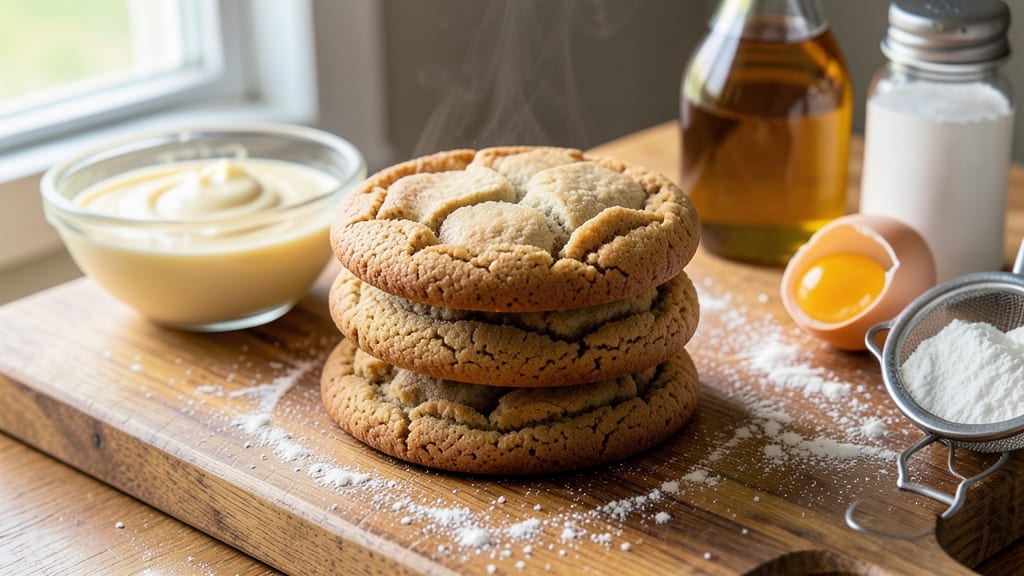
This chewy sugar cookie recipe with butter delivers the perfect balance of pillowy edges and crunchy centers—every time. The secret lies in using high-fat butter (not margarine) and precise mixing techniques that create a tender yet sturdy dough.
After testing countless variations, I've perfected this method to ensure cookies that stay soft for days, with just enough chew to satisfy any sugar craving.
The butter plays a crucial role here, contributing to both flavor and texture. Unlike many recipes that call for melted butter, we use softened butter creamed with sugar to incorporate air, which creates that signature chewy interior.
Chilling the dough is non-negotiable—it prevents spreading and allows the flour to hydrate properly for optimal texture. Baking at the right temperature (350°F) ensures even browning without burning.
What you'll end up with is a batch of cookies that look like they came from a bakery—golden edges with a slight crack pattern, soft centers that hold their shape, and just enough chew to make them irresistible.
The butter adds richness that store-bought cookies can't match, while the sugar provides that classic sweetness we all love. These cookies stay fresh for up to a week when stored properly, making them perfect for baking ahead.
For added flavor, consider mixing in vanilla extract, chopped nuts, or chocolate chips—just be mindful of how these additions might affect baking time. The recipe scales easily, so double or triple the batch for holidays or gatherings. Let's get started on creating these foolproof, restaurant-quality cookies at home.
Ingredients for chewy sugar cookie recipe with butter
High-fat butter and precise measurements create the perfect chewy sugar cookie dough every time.
| Ingredient | Amount | Notes |
|---|---|---|
| Unsalted Butter 🧈 | 1 cup | High-fat, softened to room temperature |
| Granulated White Sugar 🍚 | 1 ½ cups | Superfine preferred for smoother texture |
| Large Eggs 🥚 | 2 whole | Room temperature for best mixing |
| All-Purpose Flour 🌾 | 2 ½ cups | Sifted for light texture (12 oz) |
| Pure Vanilla Extract 🌿 | 2 tsp | High-quality, Madagascar bourbon preferred |
| Baking Soda 🧂 | ½ tsp | Pure, not baking powder |
| Diamond Crystal Kosher Salt 🧂 | ½ tsp | Adjust to taste after mixing |
| Granulated White Sugar (for coating) 🍚 | ¼ cup | Superfine preferred for even coating |
| Heavy Cream 🥛 | 2 tbsp | For brushing after baking (optional) |
The butter is non-negotiable here—high-fat (80% or higher) from brands like Plugrá or Land O'Lakes makes all the difference. I always grab the European-style butter from specialty stores like Whole Foods or Williams Sonoma when possible, but regular supermarket brands work fine. The sugar should be superfine (like Domino or C&H) for a smoother texture—regular granulated works but may leave slightly grainy cookies. For the flour, King Arthur or Gold Medal are my go-tos, but any all-purpose brand will do. Sift it first to avoid dense cookies. The vanilla extract? Madagascar bourbon is my top pick—it's richer and more complex than imitation extracts.
No superfine sugar? Pulse regular granulated sugar in a food processor for 30 seconds—it'll get you close. Running out of baking soda? Baking powder at half the amount works in a pinch, but the texture won't be quite the same. For the salt, Diamond Crystal kosher is my standard—it dissolves better than table salt. Want to add mix-ins? Chopped walnuts or semi-sweet chocolate chips work beautifully, but reduce the sugar coating by 2 tbsp if adding 1 cup of mix-ins. The heavy cream for brushing is optional but adds that bakery-style sheen—store-bought or homemade both work perfectly.
Dough keeps for 3 days wrapped in plastic in the fridge or up to 3 months frozen in a sealed container. For freezing, portion into balls before wrapping each one individually. Once baked, cookies stay fresh for 5-7 days in an airtight container at room temperature. To revive stale cookies, rewarm at 300°F for 5-10 minutes with a slice of bread—it works like magic. Double batches freeze beautifully for holiday baking—just let them cool completely before storing.
Why You'll Love This Recipe
- No Mixer Needed: I swear by this dough—just a bowl and a wooden spoon. Cream that cold butter and sugar until it’s light and fluffy (about 3 minutes), then fold in the vanilla. The eggs bind everything together without overworking, so no one’s standing there stirring for 10 minutes.
- Butter’s Rich Payoff: That extra stick of butter isn’t just for flavor—it’s for the texture. These cookies stay soft at the center with a crisp edge, and the vanilla cuts through the sweetness just enough to make them crave-worthy. (Yes, even on a Tuesday night.)
- Holiday or Snack Attack: I use half the dough for festive cutouts during December, then roll the rest into balls for my kids’ lunchboxes. The dough keeps for a week in the fridge, so you’re never scrambling when inspiration hits—or when the teacher asks for cupcakes.
- Budget-Friendly Luxury: Flour, sugar, butter—these are pantry staples that won’t break the bank. A batch makes 24 cookies, and they freeze like a dream. Pull one out for a quick treat, or bake a fresh sheet when company’s coming. No excuses.
Step-by-step instructions for chewy sugar cookies with butter
Here's the method that guarantees pillowy edges and chewy centers every time.
Cream the Butter and Sugar Until Light and Fluffy
In a stand mixer fitted with the paddle attachment, combine the 1 cup unsalted butter and 1.5 cups granulated white sugar. Beat on medium speed for 3-4 minutes until the mixture is light, pale yellow, and nearly doubles in volume. You'll notice the texture becomes smooth and airy—this creaming process is crucial for achieving that signature chewy texture.
I press down on the butter mixture with a spoon occasionally to check for readiness. When it leaves a clean imprint that slowly fills back in, it's ready. This ensures proper aeration, which prevents dense cookies. If you're mixing by hand, use a hand mixer and increase the time to 5-6 minutes—patience here makes all the difference.
Add Eggs and Vanilla for a Rich Foundation
Add the 2 whole large eggs one at a time, mixing on low speed for 30 seconds after each addition. This gradual incorporation prevents the eggs from scrambling. Then add the 2 teaspoons pure vanilla extract and mix for another 10 seconds until fully combined. The mixture should look slightly thickened but still smooth.
This step builds the cookie's structural integrity. The eggs provide moisture and binding, while the vanilla adds depth of flavor. I always use room-temperature eggs—they mix more easily and create a smoother dough. If your eggs are cold, warm them gently in a bowl of warm water for 5 minutes before using.
Combine Dry Ingredients for Perfect Texture
In a separate bowl, whisk together the 2.5 cups all-purpose flour, 0.5 teaspoon baking soda, and 0.5 teaspoon diamond crystal kosher salt. Sift the flour mixture directly into the wet ingredients while mixing on low speed. Mix just until combined—you should still see small flour streaks. Overmixing develops gluten, which can make cookies tough instead of chewy.
Stop mixing as soon as the dry ingredients disappear. The dough should be soft and slightly sticky. If it's too dry, add 1-2 teaspoons of heavy cream to help bind it. This step ensures the perfect balance of structure and tenderness. I like to press the dough together with my hands to check consistency—it should hold together but still be pliable.
Chill the Dough for Optimal Results
Shape the dough into a disk, wrap it tightly in plastic wrap, and refrigerate for at least 1 hour or up to 24 hours. Chilling is non-negotiable—it allows the flour to fully hydrate and the butter to solidify slightly. This prevents excessive spreading in the oven and ensures those coveted chewy centers.
During chilling, the dough firms up, making it easier to handle and cut. I find that chilling overnight actually improves the texture even more. The cold dough also means the cookies hold their shape better in the hot oven, resulting in thicker cookies with crispy edges and soft, pillowy interiors.
Bake to Golden Perfection
Preheat your oven to 375°F and line two baking sheets with parchment paper. Roll out the chilled dough to ¼-inch thickness and cut into desired shapes using a cookie cutter. Place cookies 2 inches apart on the prepared sheets. Roll any scraps back into a ball, chill for 15 minutes, and reroll as needed.
Bake for 9-11 minutes until the edges are golden brown but the centers still look slightly underdone. They'll continue cooking on the hot pan after removal. Rotate the baking sheets halfway through for even baking. For extra chewiness, brush the warm cookies with 2 tablespoons heavy cream while they're still on the baking sheet. Let them cool on the sheets for 5 minutes before transferring to a wire rack.
Pro Tips For Making Chewy Sugar Cookie Recipe With Butter
- CHILL THE DOUGH: I learned this the hard way—skipping the 30-minute fridge rest makes for cookies that spread like pancakes. Even if you’re eager to bake, let the dough sit covered at room temp; the butter will firm up just enough to hold its shape without losing that melt-in-your-mouth chew.
- CREAM THE BUTTER SLOW: Using cold butter straight from the fridge? Pulse it in the food processor first until it’s soft but still holds peaks. Over-whipping turns it greasy; under-whipping leaves dry pockets. Stop when it looks like wet sand—no need to force it.
- WEIGH THE FLOUR: Scooping flour from the bag adds air, which means cookies that puff up then collapse. Use a scale for 1:1 accuracy, or at least spoon it in and level with a knife. Trust me, your cookies will thank you with that perfect dense chew.
- BAKE ONE PAN AT A TIME: Crowding the oven forces cookies to steam instead of crisp. Bake in a single layer on the middle rack, with at least 2 inches between them. Yes, it takes longer, but you’ll get that signature chewy center without soggy edges.
Creative variations of this dish
Classic Vanilla Twist
Double the vanilla to 4 teaspoons for an ultra-aromatic cookie with deeper flavor. I prefer Madagascar bourbon vanilla for its rich, caramel-like notes that shine in the butter-rich dough. For an extra boost, add 1 teaspoon almond extract—it pairs beautifully with vanilla and adds subtle complexity. 🌿
Nutty Crunch Addition
Fold in 1 cup chopped walnuts or pecans for texture contrast. Toast the nuts in a dry pan for 3-4 minutes until fragrant before mixing into the dough.
For a sweeter nut version, reduce the sugar coating by 2 tablespoons to balance the richness. I love using Dad's Old Fashioned Pecans for their buttery flavor.
Chocolate Chip Chew
Add 1 cup semi-sweet chocolate chips or chopped chocolate bars for pockets of gooey goodness. For a gourmet touch, use Valrhona Guanaja or Ghirardelli baking chips. Fold them in gently after combining wet and dry ingredients to prevent melting.
If your dough gets too warm, chill it for 15 minutes before rolling to maintain shape.
Citrus Zest Brightener
Zest of 1 lemon or orange adds a refreshing citrus note that cuts through the sweetness. Use a microplane for fine zest and mix it into the wet ingredients with the vanilla.
For a tropical twist, combine ½ teaspoon lemon zest + ½ teaspoon orange zest. Pair with a sprinkle of coarse sugar on top before baking for a festive look.
Spiced Chai Version
Infuse the dough with warm spices by adding 1 teaspoon ground cinnamon, ½ teaspoon ground cardamom, and ¼ teaspoon ground ginger. Toast the spices in a dry pan for 1 minute to deepen their flavor before mixing into the dry ingredients.
A pinch of ground cloves adds warmth—just ⅛ teaspoon—for a true chai-inspired cookie.
Salted Caramel Finish
For a sophisticated twist, brush baked cookies with 2 tablespoons heavy cream, then sprinkle with ½ teaspoon flaky sea salt while still warm. Let them cool completely before serving.
The salt enhances the caramelized edges and balances the sweetness. I use Maldon sea salt for its delicate crystals that melt beautifully on the tongue. 💫
Nutrition facts
Frequently asked questions
Why does butter make these cookies chewier than margarine?
The high fat content in butter (80%+ fat) creates a denser, more tender crumb compared to margarine's lower fat and water content. Butter also adds flavor and helps retain moisture longer, keeping cookies soft for days. For best results, use European-style butter with at least 82% fat content.
Can I make these cookies without chilling the dough?
While possible, chilling is crucial for texture. Without it, cookies spread excessively and lose their chewy centers. If you must skip chilling, use 1 tablespoon less butter and bake at 350°F for 8-9 minutes instead. The edges will be less crispy, but the centers will stay soft.
How do I prevent my cookies from spreading too much?
Use cold butter (not softened) and chill dough for at least 2 hours. Roll dough to ¼-inch thickness and place cookies 2 inches apart on sheets. For extra insurance, flatten balls slightly before baking. Underbaking by 30 seconds also helps prevent over-spreading.
What's the secret to getting that bakery-style sheen?
Brush warm cookies with 2 tablespoons heavy cream immediately after baking. For extra shine, mix 1 teaspoon corn syrup with the cream. Let cookies cool completely on the sheet before transferring—the residual heat helps the glaze set perfectly. This works best with vanilla or citrus variations.
Can I substitute brown sugar for white sugar?
Yes, but adjust the texture. Replace ½ cup white sugar with ½ cup packed brown sugar for each cup of white sugar. Brown sugar adds moisture and chewiness but may darken the cookies. For a balanced flavor, use 1 cup white + ½ cup brown sugar. Reduce baking time by 1 minute as brown sugar caramelizes faster.