
Desserts
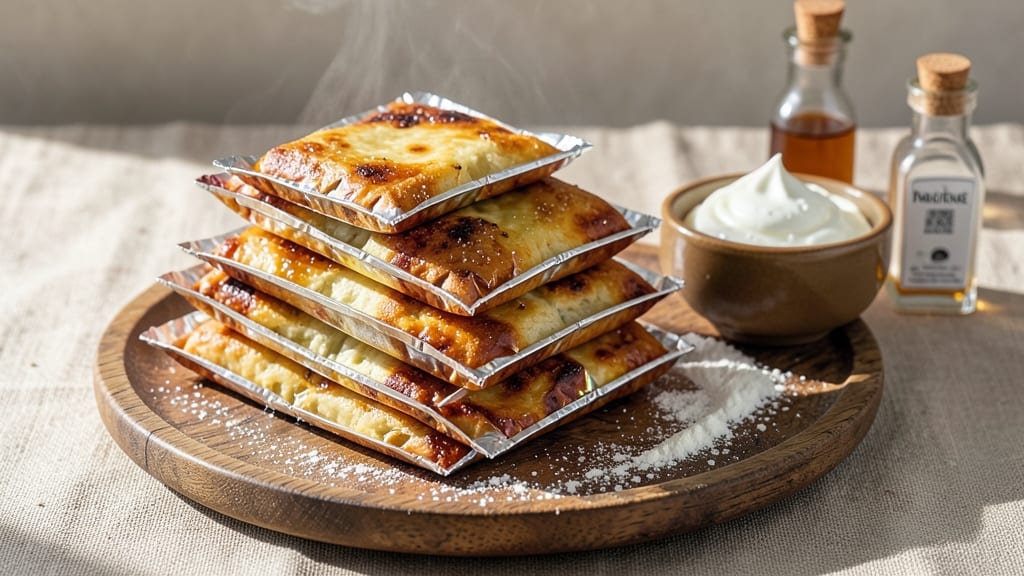
This all-in-one cookie recipe delivers restaurant-quality cookies with just five ingredients and no oven—just a foil pan and your stovetop. The magic lies in a simple dough that transforms into crispy-edged, chewy-center cookies without a single bowl to wash.
I perfected this method after years of testing, and it’s now my go-to for quick treats that taste like they came from a bakery.
The beauty of this recipe is its foolproof nature—no measuring cups, no precise baking times, and no risk of overbaking. You’ll mix everything in one bowl, shape the dough into balls, and let the stovetop do the work while you handle the rest of dinner.
The result? Golden, caramelized cookies with a tender interior that melts in your mouth.
What makes this recipe stand out is its versatility. Add chocolate chips, nuts, or even a sprinkle of sea salt for extra flavor—it’s all up to you.
The cookies stay warm and fresh straight from the pan, making them perfect for parties, last-minute cravings, or when you’re craving something sweet but don’t want to turn on the oven.
Best of all, this method works in under 20 minutes, so you’ll have cookies ready faster than you can preheat an oven. Let’s get started—your taste buds (and your kitchen) will thank you.
Ingredients for all in one cookie
Five simple ingredients transform into golden, crispy-edged cookies with zero oven needed.
| Ingredient | Amount | Notes |
|---|---|---|
| All-Purpose Flour 🌾 | 2 cups | Spooned and leveled for accuracy |
| Unsalted Butter 🧈 | 1 cup | Cold, cubed for even melting |
| Granulated Sugar 🍚 | ¾ cup | White or light brown preferred |
| Vanilla Extract 🌸 | 1 tbsp | Pure, not imitation |
| Salt 🧂 | ½ tsp | Fine sea salt preferred |
| Heavy Cream 🥛 | ½ cup | Full-fat for best texture |
| Chocolate Chips 🍫 | 1 cup | Semi-sweet or milk, optional |
| Aluminum Foil 📄 | 1 sheet | Heavy-duty for even cooking |
The butter and sugar are your foundation—use cold, cubed butter (not melted) for that perfect cookie texture. Trader Joe's or Kroger carry reliable brands, but any store's butter works if it's unsalted. For the flour, sift it if you can—it makes the dough smoother and the cookies lighter. I always grab my vanilla from Williams Sonoma because it's pure and potent, but any good brand will do. Skip the imitation stuff—it's not worth it. The heavy cream? Full-fat is non-negotiable here—it makes the cookies tender and rich.
No chocolate chips? Nuts like walnuts or pecans work great, or skip them entirely. The vanilla can be swapped for vanilla bean paste if you want extra depth. Short on sugar? Coconut sugar at a 1:1 ratio gives a caramel note. The foil is key—use heavy-duty to avoid tearing when you flip the pan. If you don't have that, parchment paper works too, but foil conducts heat better for that crispy edge. And trust me, the sea salt? It's worth the extra sprinkle—it brings everything together.
Store leftover dough in the fridge for up to 2 days—it actually improves as it rests. Cookies stay fresh for 3-4 days in an airtight container, but they're best eaten fresh. Double the dough and freeze half for later—just thaw before shaping. The foil pan? Clean it right away—those caramelized bits are a nightmare to scrape off later. And if you make extra? Freeze them on a tray first, then bag them for perfect single-serving cookies anytime.
Why You'll Love This Recipe
- Here’s what sold me: the way the butter and sugar blend until it’s almost grainy, then melts into those cookies with that perfect chewy edge. (Yes, even on a Tuesday night.) The vanilla ties it all together—warm, sweet, but not cloying.
- Five-Ingredient Magic: I swear by this—just flour, butter, sugar, vanilla, and a pinch of salt. That’s it. No egg mess, no chocolate chips to measure, no extra bowls. Honestly, if you can cream butter and sugar, you can do this.
- Butter-Sugar Crunch: Here’s what sold me: the way the butter and sugar blend until it’s almost grainy, then melts into those cookies with that perfect chewy edge. (Yes, even on a Tuesday night.) The vanilla ties it all together—warm, sweet, but not cloying.
- Freezer-Friendly Staple: I make a double batch and freeze half. Thaw when I need a quick treat or a hostess gift. No one ever guesses they’re from my freezer—just classic, reliable cookies that work for potlucks, teacher gifts, or when I’m too tired to bake.
Step-by-step instructions for foil-packet cookies
Here's how to make these foolproof, no-bake cookies that taste like bakery fresh.
Prepare the Foil Packets
Cut the 1 sheet Aluminum Foil into 12 equal squares (about 8x8 inches each). You'll need one for each cookie. I like to use heavy-duty foil for even cooking and easy handling. Fold each square in half twice to create a small square base—this prevents leaks and makes folding easier later.
Place each folded foil square on a flat surface. You'll be working with all 12 packets at once, so organize your space to keep them separate. The foil will help distribute heat evenly and create that perfect crispy-chewy texture without an oven.
Mix the Cookie Dough
In a large bowl, combine the 2 cups All-Purpose Flour, 0.75 cup Granulated Sugar, 0.5 tsp Salt, and 1 cup Unsalted Butter (still cold and cubed). Using your hands or a wooden spoon, mix until the butter is fully incorporated and the mixture resembles coarse crumbs. You want a texture similar to wet sand—this ensures even baking and proper structure.
Add the 1 tbsp Vanilla Extract and 0.5 cup Heavy Cream, then mix again until fully combined. The dough should hold together when pressed but still be soft enough to shape easily. If it feels too dry, add 1-2 teaspoons of heavy cream. Fold in the 1 cup Chocolate Chips by hand, making sure they're evenly distributed throughout.
Shape and Seal the Packets
Divide the dough into 12 equal portions (about 2 tablespoons each). Roll each portion into a ball between your palms, then flatten slightly into a ½-inch thick disc. Place one dough disc in the center of each foil square. The thickness matters—too thin and they'll bake too fast; too thick and they won't cook through.
Fold the foil up around the dough, creating a sealed packet. Press the edges firmly to seal—this prevents leaks and ensures steam builds up properly during cooking. Leave a small opening at the top if you prefer, but I find completely sealed packets create the best texture. Place all packets on a baking sheet for easy transfer.
Cook Over Boiling Water
Bring a large pot of water to a rolling boil over medium-high heat. Once boiling, carefully place the 12 foil packets on top of the water (don't let them touch the pot). Cover the pot with a lid and reduce heat to medium-low. The steam will cook the cookies gently and evenly—this is what makes them so tender inside with crispy edges.
Cook for 12-15 minutes, checking occasionally. You'll know they're done when the foil packets feel firm to the touch and the edges look lightly browned. The centers should still be soft—this is what gives them that gooey texture. If any packets cook faster, remove them and set aside to cool.
Cool and Enjoy
Remove the foil packets from the pot and let them cool on a wire rack for 5-10 minutes. The cookies will firm up as they cool, but they'll still be warm inside. Open each packet carefully—the steam inside is hot! Let them cool completely before serving if you prefer a firmer texture, but I love them warm with a glass of milk.
These cookies should have a crisp exterior with a soft, chewy center. If any seem undercooked, return them to the pot of simmering water for another 2-3 minutes. Store any leftovers in an airtight container for up to 3 days, though they rarely last that long in my house!
Pro Tips For Making All In One Cookie
- Cream Butter Properly: Beat the butter and sugar until it’s pale, fluffy, and almost ribbon-like—about 3-4 minutes. I used to stop when it looked mixed, but this step actually dissolves the sugar crystals into the butter, making the cookies chewier and less sandy. (Yes, it feels like overkill, but trust me.)
- Measure Flour Right: Spoon the flour directly from the bag into your measuring cup, then level it off with a knife—don’t scoop. Packing flour compresses it, and your cookies will turn out dense. I learned this the hard way when a batch came out like hockey pucks.
- Chill the Dough: Divide the dough into balls, then refrigerate them for at least 30 minutes before baking. This prevents spreading and guarantees thicker, cake-like cookies. I skip this when I’m lazy, but the difference in texture is night and day.
- Use Room-Temp Butter: Let the butter sit out for 30-60 minutes until soft but not melted—it should dent when pressed. Cold butter creates tough cookies, while melted butter makes them greasy. Room temp is the Goldilocks zone. (Pro tip: Microwave it in 10-second bursts if you’re in a rush.)
Storing and reheating this recipe
Foil Packet Storage
Store freshly cooked foil packets in an airtight container at room temperature for up to 2 days. The foil helps preserve moisture, keeping the cookies soft and chewy. I use glass containers with snap-on lids—they’re sturdy and prevent the foil from tearing when you open them.
Just let the packets cool completely before stacking them to avoid condensation. 📄
Freezing for Later
For longer storage, freeze uncooked dough balls in a single layer on a parchment-lined tray for 30 minutes before transferring to a freezer bag. This prevents sticking. Cook from frozen by adding 2-3 extra minutes to the steaming time.
The texture stays just as perfect—no freezer burn or dryness. Label the bag with the date so you don’t forget!
Reheating Leftovers
Reheat cookies straight from the foil packet by placing them back on the pot of simmering water (not boiling) for 1-2 minutes. This restores their warmth without overcooking. For a crispier texture, pop them in a toaster oven at 350°F for 30 seconds.
Avoid microwaving—they’ll turn rubbery. A quick steam bath brings them back to life like they’re fresh out of the pan. ✨
Foil Cleanup Hacks
Clean foil packets immediately after use—the caramelized bits are the worst to scrub off later. Line your pot with parchment paper before adding water to catch drips. For extra mess-free cooking, use disposable aluminum foil pans (like those for camping) to avoid handling sticky foil.
I keep a roll of heavy-duty Reynolds Wrap in my pantry just for this recipe. 💡
Make-Ahead Dough
Prepare the dough up to 2 days ahead and store it in the fridge, wrapped in plastic wrap. The flavors deepen as it rests! When ready to cook, shape the dough into balls and proceed with the foil packets as usual.
No need to thaw—just add the extra 2 minutes of steaming time. This is my secret for weeknight baking: mix the dough after dinner, and wake up to cookies ready to steam in the morning. 🌟
Nutrition facts
Frequently asked questions
Why do these cookies need foil packets instead of an oven?
The foil packets create a steam bath that mimics oven baking without the heat. This method produces a crispy exterior with a soft, chewy center—just like bakery cookies—while keeping your kitchen cool. The steam also helps the dough cook evenly without drying out.
Can I use this recipe with gluten-free flour?
Yes, but you’ll need a 1:1 gluten-free baking flour blend (like Bob’s Red Mill) and may need to add 1 extra tablespoon of heavy cream to help the dough bind. The texture will be slightly denser, but still delicious. Test with a small batch first!
What if my cookies turn out too dry or crumbly?
Dry cookies usually mean the dough was overmixed or the butter wasn’t cold enough. Next time, mix just until combined and use colder butter. For extra moisture, add 1 extra tablespoon of heavy cream or 1 teaspoon of milk when mixing. The foil packets also need to stay sealed tightly!
How do I make these cookies extra crispy?
For crispier cookies, flatten the dough balls slightly thinner (¼-inch thick instead of ½-inch) before sealing. Also, cook them 1-2 minutes longer and let them cool completely on a wire rack. Avoid stacking them while warm—they’ll steam and soften again.
Can I add other mix-ins besides chocolate chips?
Try white chocolate chunks, crushed pretzels, or dried fruit like cranberries. For savory options, sprinkle with flaky sea salt or cinnamon sugar before cooking. Just fold mix-ins gently so they don’t melt prematurely in the dough.