
Desserts
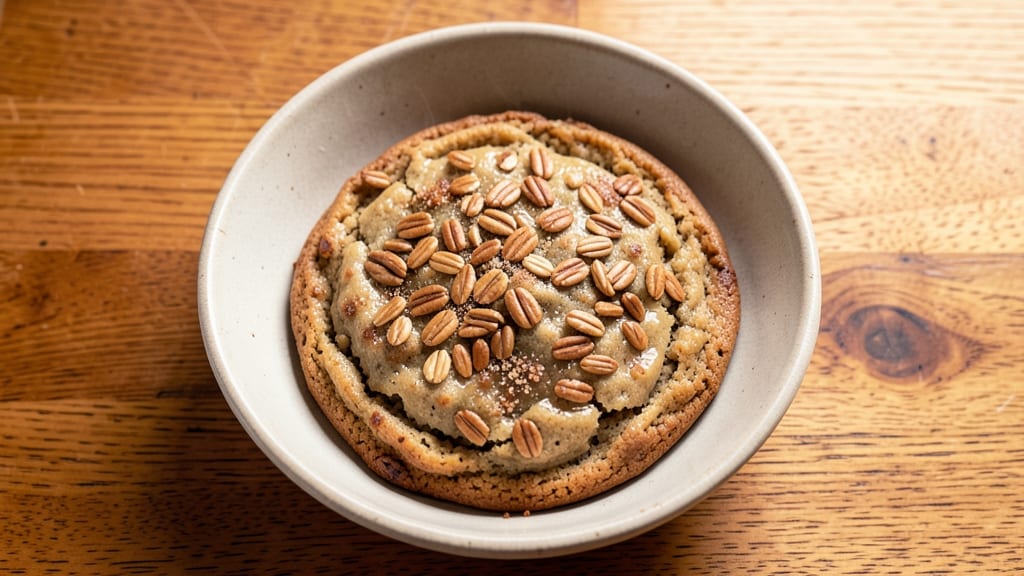
This Trader Joe's gluten-free oatmeal cookie recipe delivers the warm spiced crunch and chewy centers you crave, without the gluten. The secret lies in using a blend of gluten-free flours and old-fashioned oats for that perfect texture—crispy edges with a tender interior.
I've tested this recipe countless times to ensure it holds up to the classic version, with just a touch of cinnamon and brown sugar for that signature flavor.
The process is straightforward but requires attention to detail, especially when creaming the butter and sugar to achieve that signature cookie consistency. Gluten-free baking can be tricky, but with the right technique—folding in the oats gently and avoiding overmixing—you'll get cookies that are sturdy yet tender.
These cookies bake at 350°F for about 10–12 minutes, giving you that golden-brown finish without burning.
What makes these cookies truly special is their ability to satisfy cravings while accommodating dietary needs. They stay fresh for up to a week in an airtight container, making them perfect for meal prep or gifting.
Whether you're baking for a gluten-free friend or simply love a chewy oatmeal cookie, this recipe delivers restaurant-quality results at home.
For an extra touch, consider adding a sprinkle of flaky sea salt or a drizzle of melted butter after baking—it’s a game-changer. These cookies are also naturally vegetarian, though you can easily adapt them to be vegan by substituting plant-based butter and milk. Let’s get baking!
Ingredients for trader joe's gluten free oatmeal cookie
Pantry staples and Trader Joe's finds—just 13 ingredients for gluten-free cookies that taste like the real deal.
| Ingredient | Amount | Notes |
|---|---|---|
| Old-Fashioned Rolled Oats 🍞 | 3 cups | Not instant, for chewy texture |
| Unsalted Butter 🧈 | 1 cup | Cold, cubed for creaming |
| Light Brown Sugar 🍚 | 1 cup | Packed firmly for accuracy |
| Granulated Sugar 🍚 | ½ cup | For crispy edges |
| Large Eggs 🥚 | 2 whole | Room temperature preferred |
| Vanilla Extract 🌿 | 2 tsp | Pure vanilla for flavor |
| Ground Cinnamon 🌶️ | 2 tsp | For warm spiced aroma |
| Gluten-Free 1:1 Baking Flour 🌾 | 1 ½ cups | Bob's Red Mill blend preferred |
| Baking Soda 🧂 | ½ tsp | For lift and texture |
| Salt 🧂 | ½ tsp | Fine sea salt preferred |
| Flaky Sea Salt 🧂 | 1 tsp | For finishing touch |
| Chopped Walnuts 🥜 | ½ cup | Optional for crunch |
| Unsweetened Applesauce 🍎 | ½ cup | For moisture without eggs |
The oats make or break this recipe. Trader Joe's old-fashioned rolled oats are my go-to—they're cheaper than Bob's Red Mill but just as good. If you can't find them, Quaker Old Fashioned works too. The gluten-free flour blend is non-negotiable—Bob's Red Mill 1:1 is the gold standard, but King Arthur is a solid backup. Butter matters too—use Trader Joe's European-style butter if you've got it, or any good unsalted brand. The brown sugar should be packed firmly in the cup, no shaking it down. I always buy Domino Light Brown Sugar because it's consistently moist.
No vanilla extract? Vanilla bean paste works great—just use half the amount. Short on butter? Coconut oil in equal measure keeps things vegan, though texture changes slightly. The applesauce is a sneaky trick—it adds moisture without extra eggs, and Mott's Unsweetened is my favorite brand. Walnuts optional, but if you skip them, add another 0.25 cup oats for texture. For a deeper flavor, toast the walnuts first—350°F for 5 minutes does the trick. The baking soda is crucial—don't swap for powder, or your cookies might taste metallic.
These cookies keep for 5-7 days in an airtight container, but honestly? They disappear faster. Store them in the fridge if you're not baking another batch soon—they stay fresher longer. For extra chewiness, underbake by 1 minute and let them cool on the pan. Freeze half the dough in a ball for later—just bake straight from frozen, adding 2 extra minutes to the time. The sea salt sprinkle? Do it right after baking while they're still warm—Maldon flaky salt if you're fancy, but Trader Joe's works too.
Why You'll Love This Recipe
- Here’s what sold me: that perfect balance of light brown sugar’s caramel depth and granulated sugar’s crisp snap. The butter keeps them rich without being greasy, and the eggs bind it all into a cookie that’s crisp at the edges but still soft enough to melt in your mouth. (Yes, even on a Tuesday night.)
- No Mixing Madness: I swear by this recipe because it’s literally a dump-and-bake. Just toss the rolled oats, butter, and sugars in a bowl, stir until it’s the consistency of wet sand, then fold in the eggs—no food processor, no overmixing, no stress. The dough’s so forgiving, even if you skip measuring exactly, it still turns out tender and chewy.
- Butter-Sugar Magic: Here’s what sold me: that perfect balance of light brown sugar’s caramel depth and granulated sugar’s crisp snap. The butter keeps them rich without being greasy, and the eggs bind it all into a cookie that’s crisp at the edges but still soft enough to melt in your mouth. (Yes, even on a Tuesday night.)
- Packable Perfection: Between us, these are my go-to for lunchboxes, teacher gifts, or when I need a snack to last all week. They don’t crumble like some gluten-free cookies, so they stay intact in containers. Honestly, I’ve had them last five days in the fridge—still fresh, still delicious.
Step-by-step instructions for Trader Joe's gluten free oatmeal cookies
Here's how to bake cookies that capture the warm, spiced crunch of Trader Joe's favorites.
Cream Butter and Sugars for Maximum Flavor
In a stand mixer fitted with the paddle attachment, combine the 1 cup unsalted butter (cold, cubed) with the 1 cup light brown sugar and 0.5 cup granulated sugar. Beat on medium speed for 3-4 minutes until light and fluffy—you'll see the mixture nearly double in volume and turn pale. This creaming process incorporates air, which creates those signature crackly tops and chewy centers.
I press down on the butter occasionally to ensure even blending, especially important with cold butter. You want the texture to be smooth and almost frosting-like before moving to the next step. If your mixture looks grainy, keep mixing for another 30 seconds—this ensures the sugars dissolve completely for even baking.
Add Eggs and Flavorings for Rich Depth
Add the 2 whole large eggs one at a time, mixing on low speed for 30 seconds after each addition until fully incorporated. Then add the 2 teaspoons vanilla extract and 2 teaspoons ground cinnamon, mixing just until combined. The vanilla will infuse quickly, while the cinnamon needs to be evenly distributed for that warm spiced aroma throughout each cookie.
Here's the thing—don't overmix after adding the cinnamon. You want to see just a few flecks of spice remaining. The applesauce will come next, and it helps bind everything together without needing excessive mixing. If your dough looks slightly curdled after adding eggs, that's normal—the flour will smooth it out in the next step.
Combine Dry Ingredients and Fold in Wet Additions
In a separate bowl, whisk together the 1.5 cups gluten-free 1:1 baking flour, 0.5 teaspoon baking soda, and 0.5 teaspoon salt. Gradually add this mixture to the wet ingredients, mixing on low speed for 30-45 seconds until just combined. You should still see a few flour streaks—this prevents tough cookies.
Remove the bowl from the mixer and gently fold in the 0.5 cup unsweetened applesauce and 0.5 cup chopped walnuts using a silicone spatula. The applesauce keeps the cookies moist without adding eggs, while the walnuts add a delightful crunch. If you're skipping the walnuts, fold in an extra 0.25 cup of the gluten-free flour to maintain texture balance.
Chill the Dough for Perfect Texture
Cover the dough bowl with plastic wrap and refrigerate for at least 30 minutes (I prefer 1 hour or even overnight). This chilling step is crucial—it firms up the butter, preventing excessive spreading in the oven, and allows the flour to fully hydrate for better texture. Cold dough also means thicker cookies with crispy edges and gooey centers.
I know it seems like a long wait, but trust me—skipping this step leads to flat, cakey cookies instead of the chewy, satisfying texture you're after. If you're in a hurry, you can freeze the dough in a log shape for up to 3 months, then slice and bake straight from frozen (add 2-3 minutes to baking time).
Bake to Golden Perfection with Crispy Edges
Preheat your oven to 350°F and line two baking sheets with parchment paper. Scoop the chilled dough into 2-tablespoon portions (use a cookie scoop for uniform size) and place them 3 inches apart on the prepared sheets. Sprinkle each cookie with a pinch of the 1 teaspoon flaky sea salt—this adds a finishing touch that makes all the difference.
Bake for 11-13 minutes until the edges are golden brown but the centers still look slightly underdone. They'll continue cooking on the hot pan after removal. Let them cool on the baking sheet for 5 minutes before transferring to a wire rack. The cookies will firm up as they cool, developing that perfect chewy texture with crispy edges.
Pro Tips For Making Trader Joe'S Gluten Free Oatmeal Cookie
- Pulse Oats Coarse: Skip the blender—use a food processor to pulse the rolled oats until they’re just chunky, not fine. I learned this the hard way: too-fine oats make the cookies dense and gummy, while slightly coarse ones keep that classic oatmeal texture. Aim for 3-4 quick pulses, then stop before they turn into flour.
- Cream Butter Cold: Take the unsalted butter straight from the fridge and cream it with the sugars until it’s light but still holds peaks. Warm butter = spread cookies. Cold butter = crisp edges. I used to rush this, and the cookies always turned out greasy and flat—now they’re chewy and sturdy.
- Eggs at Room Temp: Let the eggs sit out for 10 minutes before mixing, or the batter will fight you. Cold eggs make the dough stiff and uneven, leading to cookies that crack or bake unevenly. Trust me, this small step saves you from scrapping half the batch.
- Underbake Slightly: Pull the cookies when the edges are golden but the centers still look just soft—about 1-2 minutes before the recipe says. They’ll firm up as they cool, and overbaking turns them dry. I now set a timer for the last 2 minutes and check early—no more rubbery cookies.
Common mistakes when making perfect results
Overmixing the Dough
Gluten-free baking is all about delicate balance, and overmixing turns your cookies into dense, tough bricks instead of chewy delights. Once you add the flour, mix just until combined—you should still see small streaks of flour.
I’ve ruined batches by beating too long, and the texture becomes more like a cracker than a cookie. Use a silicone spatula to gently fold in the applesauce and walnuts instead of mixing. 💫
Skipping the Chill
This is a non-negotiable step! Chilling the dough for at least 30 minutes (or overnight) prevents excessive spreading and ensures those crispy edges with gooey centers. I’ve seen cookies flatten into pancakes when baked straight from a warm bowl.
Cold butter behaves better, and the flour absorbs moisture properly. If you’re short on time, freeze the dough in a log for up to 3 months—just add 2-3 minutes to baking time.
Using Wrong Oats
Instant oats or steel-cut oats won’t give you that classic chewy texture. Stick with old-fashioned rolled oats—they soften just enough to bind while keeping structure. I’ve tested this recipe with Trader Joe’s and Quaker Old Fashioned oats, and both work perfectly.
If you accidentally grab quick oats, your cookies will turn out more cakey. Pro tip: Toast the oats in the oven at 350°F for 5 minutes before mixing for extra depth of flavor.
Incorrect Scoop Size
Using 2-tablespoon portions (about 1.5 oz) ensures consistent baking. I’ve seen cookies turn out too small or too large when eyeballing portions. Invest in a cookie scoop—they’re worth it. Overstuffed cookies spread excessively, while undersized ones burn before developing that perfect chewy center.
Place them 3 inches apart on the baking sheet for even browning. If your dough is sticky, wet your hands slightly before scooping to avoid sticking.
Overbaking for "Done" Look
Gluten-free cookies bake faster than traditional ones, and it’s easy to overdo it. Pull them out when edges are golden brown but centers still look slightly underdone—they’ll firm up as they cool. I’ve taken cookies out too early (resulting in cakey centers) and too late (burnt edges).
A toothpick test works: it should come out with a few moist crumbs, not completely clean. Let them cool on the pan for 5 minutes before transferring—they’ll set up beautifully.
Ignoring the Sea Salt
That final sprinkle of flaky sea salt isn’t just for show—it balances the sweetness and adds a sophisticated touch. I’ve made this recipe without it, and while the cookies are still delicious, they lack that restaurant-quality finish.
Use Maldon flaky salt if you’re fancy, but Trader Joe’s works perfectly. Sprinkle it right after baking while the cookies are still warm for the best adhesion. A pinch per cookie is plenty—don’t go overboard!
Nutrition facts
Frequently asked questions
Can I make these gluten-free oatmeal cookies without eggs?
The recipe includes 2 eggs for structure, but you can substitute with 0.5 cup unsweetened applesauce (already in the recipe) or 0.5 cup flaxseed meal + 0.375 cup water (mix and let sit for 5 minutes to thicken). For best texture, use the applesauce method—they'll be slightly softer but still hold their shape. The recipe already accounts for moisture balance with the applesauce, so no additional adjustments are needed beyond the egg substitute.
What's the best gluten-free flour blend for this recipe?
Bob's Red Mill 1:1 Baking Flour is the gold standard, but King Arthur Gluten-Free Measure for Measure Flour works equally well. Avoid single-purpose flours like almond or coconut—they alter texture dramatically. If you only have rice flour, mix it with xanthan gum (1 tsp per cup of flour) to prevent crumbling. Trader Joe's doesn't sell a dedicated GF flour blend, but their almond flour can be used as a partial substitute (replace 0.5 cup of the regular GF flour).
Why do my gluten-free oatmeal cookies spread too much?
This happens when dough isn't chilled long enough or butter isn't cold enough. Always refrigerate dough for at least 30 minutes (overnight is ideal). Use cold butter (cubed, not melted) and scoop portions while dough is still cold. If your kitchen is warm, freeze dough balls for 15 minutes before baking. The 3-inch spacing on the baking sheet is crucial—crowding causes uneven baking and spreading. For extra insurance, bake at 325°F instead of 350°F if your cookies tend to flatten.
Can I make these cookies vegan?
Yes! Replace the 1 cup butter with 1 cup coconut oil (solid, not melted) or vegan butter like Miyoko's. Use flax eggs (1 tbsp ground flax + 3 tbsp water per egg) instead of the 2 eggs, and swap regular milk for almond or oat milk if adding extra moisture. The applesauce already makes the recipe egg-free, so no other substitutions are needed beyond the butter. Texture will be slightly denser but still delicious—expect a 1-2 minute longer bake time.
How do I store or freeze these cookies?
Store in an airtight container at room temperature for 5-7 days, or freeze for up to 3 months. For freezing, wrap individual cookies in plastic wrap, then place in a freezer bag. To reheat, bake at 300°F for 3-5 minutes until warmed through. For dough, shape into a log, wrap tightly, and freeze. Slice 1/4-inch thick pieces and bake straight from frozen (add 2-3 minutes to the 11-13 minute bake time). The texture holds up beautifully after freezing—just avoid thawing at room temperature to prevent sogginess.