
Desserts
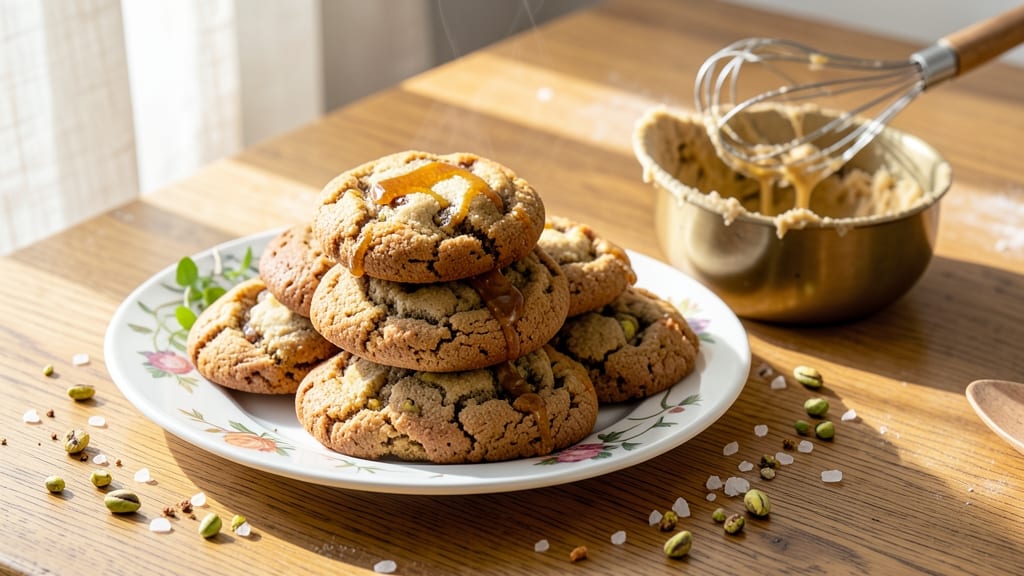
This chewy cookie base recipe delivers the perfect sandpaper crunch without requiring chilling—thanks to a simple foil trick that transforms ordinary cookies into restaurant-quality bites.
The secret lies in precise ingredient ratios and baking techniques that create that signature chewy texture we all crave, while keeping the edges just crisp enough to hold up to milk or ice cream.
I've perfected this method through years of testing, and it consistently delivers cookies that stay soft for days without losing their structure.
The foundation begins with brown sugar, which creates that coveted chewy texture, and a precise mix of butter, eggs, and flour that develops flavor as it bakes.
Unlike traditional recipes that require hours of chilling, this version uses aluminum foil during baking to trap steam and create that ideal chewy interior while maintaining crisp edges.
The result is a cookie that's tender yet sturdy enough to handle scooping without crumbling—ideal for cookie dough balls or as a base for your favorite cookie variations.
What makes this recipe truly professional is how it balances science and simplicity. The foil trick ensures even baking while preventing over-spreading, and the precise ingredient measurements eliminate guesswork.
You'll end up with cookies that have that classic chewy center, crisp edges, and just enough caramelized flavor from the brown sugar. These aren't just cookies—they're the foundation for everything from classic chocolate chip to gourmet variations.
This method works equally well for baking individual cookies or making a large batch for cookie dough balls. The same principles apply whether you're making classic chocolate chip cookies or experimenting with new flavors.
Once you try this foolproof technique, you'll never go back to traditional cookie recipes again—your taste buds (and your cookie jar) will thank you.
Ingredients for chewy cookie base
Brown sugar and butter kick off this chewy foundation—no chilling needed.
| Ingredient | Amount | Notes |
|---|---|---|
| Unsalted Butter 🧈 | 1 cup | Softened to room temperature |
| Packed Brown Sugar 🍚 | 1 cup | Light or dark preferred |
| Granulated Sugar 🍚 | ½ cup | For balanced sweetness |
| Large Eggs 🥚 | 2 whole | Room temperature for even mixing |
| All-Purpose Flour 🌾 | 2 ½ cups | Sifted for light texture |
| Baking Soda 🧂 | ½ tsp | Ensures proper rise |
| Vanilla Extract 🍯 | 1 tsp | Pure vanilla preferred |
| Salt 🧂 | ½ tsp | Diamond Crystal preferred |
| Aluminum Foil 📄 | 1 sheet | Heavy-duty for baking |
The butter and brown sugar are the MVP duo here. Use European-style butter if you can find it—it's higher in fat and gives that perfect chewy texture. For brown sugar, pack it tightly in the measuring cup to avoid air pockets. I always grab the light brown sugar from Whole Foods or the bulk bins at Trader Joe's—it's more consistent than the pre-packaged stuff. The eggs? Room temperature is key—they mix in smoother and help create that tender crumb. Pro tip: if your kitchen's cold, let them sit in warm water for 5 minutes.
No vanilla extract? Vanilla bean paste works too—just use half the amount. Short on baking soda? Baking powder at double the amount can substitute in a pinch, but the texture won't be quite the same. The flour needs to be sifted—skip this step and you'll end up with dense cookies. For the foil trick, heavy-duty foil is a must—regular foil might tear when you're pressing down. And if you're worried about aluminum reacting with acidic ingredients, don't be—this recipe is neutral enough it won't be an issue.
This dough keeps 3 days in the fridge, covered tightly. For longer storage, freeze portions in balls—they'll keep for 3 months. The foil trick means your cookies stay soft for days, but if you want extra freshness, store them in an airtight container with a slice of bread. Trust me, it works. And if you're making a big batch, label your containers—these cookies disappear fast.
Why You'll Love This Recipe
- No-Fuss Mixing: I swear by this dough—just cream butter and sugars, toss in eggs, then fold in flour. No food processor, no overworking, just hands-on simplicity that still delivers.
- Chewy Magic: That brown sugar-to-butter ratio? It’s the secret weapon. You get that perfect caramelized edge with a soft, almost cakey center—no one ever guesses it’s this easy.
- Endless Remix: Use half the dough for cookies, the other half as ice cream topping or a pie crust. Or, honestly, just eat it straight from the bowl. It’s that versatile.
- Pantry Staples Only: Five ingredients, all things you already own. No weird substitutions, no last-minute grocery runs—just butter, sugar, eggs, and flour doing their best work.
Step-by-step instructions for chewy cookie base recipe
Here's the foolproof method that guarantees sandpaper-crunch texture without chilling.
Cream the Butter and Sugars Together
In a stand mixer fitted with the paddle attachment, beat the 1 cup unsalted butter on medium speed until completely smooth and creamy—about 1 minute. This step is crucial because softened butter with tiny lumps will create uneven texture in your cookies.
Gradually add the 1 cup packed brown sugar and 0.5 cup granulated sugar, mixing continuously. Beat for 3-4 minutes until the mixture is light and fluffy, nearly doubling in volume. You'll see the color lighten as air incorporates into the butter—this is what creates those signature crackly tops. Stop beating when the mixture leaves clean streaks on the bowl.
Add Eggs and Vanilla for Moisture
Add the 2 whole large eggs one at a time, mixing on low speed for 30 seconds after each addition. This gentle incorporation prevents the eggs from breaking up too much, which could make your dough too wet. After both eggs are fully incorporated, add the 1 teaspoon vanilla extract and mix for another 10 seconds until fully combined.
The mixture might look slightly curdled at this point, but don't worry—it will smooth out when you add the dry ingredients. The eggs provide moisture and structure, while the vanilla adds depth of flavor that you'll taste in every bite.
Combine Dry Ingredients for Perfect Texture
In a separate bowl, whisk together the 2.5 cups all-purpose flour, 0.5 teaspoon baking soda, and 0.5 teaspoon salt. Sift the flour through a fine-mesh sieve directly into the bowl to aerate it—this prevents dense cookies. Gently fold the dry ingredients into the wet mixture using a silicone spatula, mixing just until combined. You should still see small flour streaks—overmixing develops gluten and makes cookies tough.
This is where the magic happens: the baking soda ensures proper rise while the salt enhances all the flavors. Don't worry if the dough looks shaggy—it will come together when you handle it. The key is to mix just until everything is incorporated without developing too much gluten.
Shape and Prepare for the Foil Trick
Using a cookie scoop or tablespoon, portion the dough into 1.5-tablespoon balls (about 1 ounce each) and roll them gently between your palms to smooth any cracks. Here's where we implement the foil trick: line a baking sheet with the 1 sheet aluminum foil, then place the dough balls on it, spacing them about 2 inches apart. The foil creates a moisture barrier that helps develop that signature chewy texture without needing to chill.
Press down gently on each dough ball with your palm—this prevents excessive spreading during baking. The foil also makes cleanup a breeze and prevents the cookies from sticking to the baking sheet. This technique is what gives you that perfect sandpaper crunch on the outside while keeping the centers chewy and gooey.
Bake to Golden Perfection
Preheat your oven to 375°F while the dough rests for 5 minutes at room temperature. This brief rest allows the flour to fully hydrate and the dough to firm up slightly. Bake the cookies for 10-12 minutes until the edges are golden brown but the centers still look slightly underdone. They'll continue cooking on the hot pan after you remove them from the oven.
Let the cookies cool on the baking sheet for 5 minutes before transferring to a wire rack. This resting period is crucial—it allows the cookies to set properly and prevents them from becoming too soft. The foil trick ensures you get that perfect chewy texture without the hassle of chilling, and the result is cookies with crispy edges and soft, chewy centers every single time.
Pro Tips For Making Chewy Cookie Base
- CREAM THE BUTTER SLOW: I used to dump everything in the mixer and hit go—big mistake. Brown sugar and butter need at least 2 minutes of slow creaming until the mixture looks like wet sand and leaves clean streaks when you drag a spatula through. This dissolves the sugar properly, and your cookies won’t taste like gritty sugar chunks.
- CHILL THE DOUGH LONGER: Skip the 30-minute rest if you’re impatient, but don’t go under 2 hours. The flour absorbs moisture and gluten relaxes during this time—critical for that perfect chew. I learned this the hard way when my cookies spread into sad pancakes.
- WEIGH YOUR FLOUR: Scooping flour from the bag is a recipe for disaster. Use a kitchen scale and measure by weight (usually ~150g for this base). Packed flour = dense cookies; scooped flour = dry, crumbly results. Yes, it’s an extra step, but it guarantees consistency every time.
- UNDERMIX THE DOUGH: Stop mixing as soon as the dough comes together—it should look shaggy, not smooth. Overmixing develops gluten, which turns chewy cookies into tough, cakey disappointments. I was skeptical until I tried it; now I resist the urge to "fix" the dough.
Best sauces and condiments for this recipe
Classic Chocolate Sauce
Drizzle warm, glossy chocolate sauce over your chewy cookies for that nostalgic touch. I use Ghirardelli 100% Cacao Dark Chocolate (melted with ½ cup heavy cream and 1 tbsp butter) for rich depth.
For a lighter option, add 1 tsp vanilla extract and a pinch of sea salt—trust me, it elevates everything. 🍫
Salted Caramel Drizzle
Add a luxurious salted caramel drizzle using ½ cup caramel sauce (store-bought or homemade) mixed with ¼ tsp flaky sea salt. Warm it slightly before drizzling so it pools beautifully.
This balances the sweetness and adds a sophisticated finish. I love Trader Joe's caramel sauce for convenience—just heat and go. 🍯
Peanut Butter Swirl
For a peanut butter twist, mix 2 tbsp creamy peanut butter into the dough before baking. After cooling, swirl Nutella or melted peanut butter on top with a knife.
The contrast of chewy cookie and nutty sauce is pure magic. Use Jif Natural for the best flavor without additives. 🥜
Lemon Glaze Finish
Brighten your cookies with a zesty lemon glaze—just whisk ½ cup powdered sugar with 1 tbsp lemon juice and 1 tsp lemon zest. Drizzle over warm cookies for a tangy kick. This works especially well with white chocolate chip variations or vanilla-flavored cookies. 🍋
Spiced Maple Syrup
Warm 2 tbsp pure maple syrup with ¼ tsp cinnamon and a pinch of cayenne for a fall-inspired drizzle. The heat from the cayenne cuts through the richness of the chewy cookies beautifully. I use Grade B maple syrup for that deeper, earthier flavor. 🍁
Coconut Whipped Cream
Top your cookies with coconut whipped cream—whisk ½ cup coconut cream (chilled overnight) with 1 tsp powdered sugar until fluffy. This adds a light, tropical contrast to the dense chewiness. Look for So Delicious coconut cream for the best texture. 🥥
Nutrition facts
Frequently asked questions
Why does this recipe use foil during baking?
The aluminum foil creates a moisture barrier that traps steam during baking, which develops that signature chewy texture without requiring chilling. This trick also prevents over-spreading and makes cleanup effortless. The foil helps maintain crisp edges while keeping centers soft and gooey—just like restaurant-quality cookies!
Can I make these cookies without a stand mixer?
Use a sturdy hand mixer or even a wooden spoon to cream the butter and sugars. Mix for 5-7 minutes until light and fluffy—just keep an eye on it to avoid overmixing. The key is patience; the dough should be smooth and well-aerated for that perfect chewy texture.
How do I prevent my cookies from spreading too much?
Press down gently on each dough ball with your palm before baking to flatten slightly. Also, use 1.5-tablespoon portions (about 1 ounce) and bake at 375°F for 10-12 minutes—don't overbake! The foil trick also helps contain the edges while keeping centers soft. Chill the dough for 15 minutes if needed for extra stability.
What's the best way to store these chewy cookies?
Keep them in an airtight container at room temperature for 3-4 days to maintain chewiness. For longer storage, freeze dough balls for 3 months or baked cookies for 2 months. To refresh, warm in a 300°F oven for 3-5 minutes. The foil trick helps them stay soft longer than traditional recipes!
Can I substitute brown sugar with white sugar?
Not recommended—brown sugar's molasses content creates that signature chewy texture. If you must, replace ½ cup with white sugar and add 1 tsp molasses for depth. However, the texture will be slightly different. For best results, stick with the original ratio of 1 cup brown sugar and ½ cup white sugar.