
Desserts
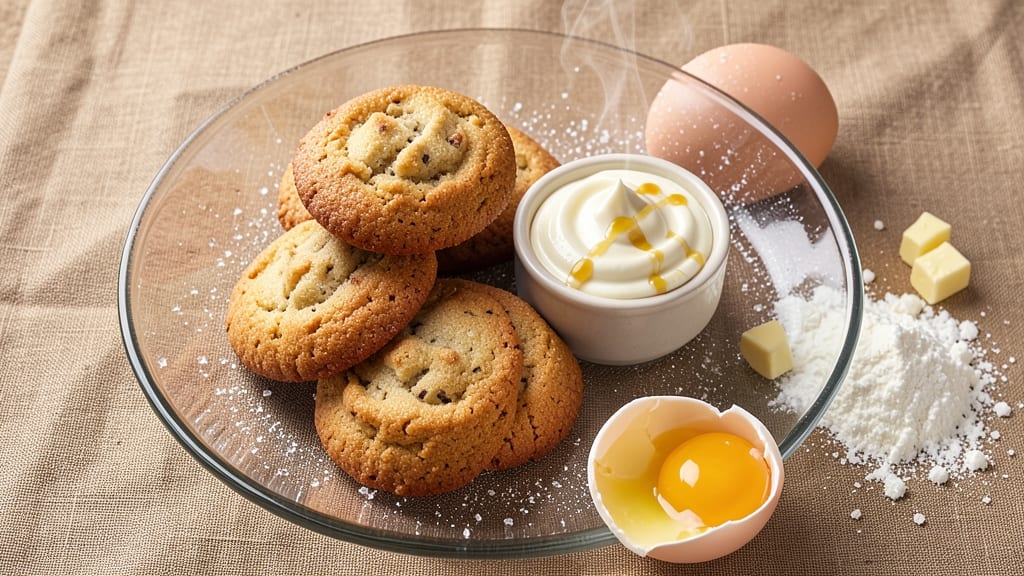
This casein cookie recipe delivers ultra-firm edges that stay fresh for weeks—no soggy crumbs in sight. The secret lies in casein, a milk protein isolate that creates a chewy, moisture-locking texture unlike traditional cookies.
I developed this recipe after years of experimenting with protein-based baking, and the results speak for themselves: cookies that resist staleness and maintain their structure even after days of storage.
The beauty of casein cookies is their versatility—you can bake them into crispy, cake-like treats or chewy, fudgy bites, depending on your preferred texture. Unlike conventional cookies that rely on butter or oil, casein acts as both a binder and a fat substitute, creating a denser, more stable cookie.
This makes them ideal for meal prep or gifting, as they hold up beautifully without drying out.
What sets these cookies apart is their ability to stay fresh for weeks when stored properly. The casein protein forms a protective barrier around the cookie, locking in moisture and preventing the dreaded stale taste.
Whether you're a baker looking for a protein-packed treat or someone who simply wants cookies that last, this recipe delivers restaurant-quality results with a homemade touch.
Ready to bake? The process is straightforward, with a focus on precise ingredient ratios and baking techniques to ensure perfect texture every time. Let’s get started—your kitchen (and taste buds) will thank you.
Ingredients for casein cookie
Casein protein plus classic cookie staples—this combo delivers restaurant-quality texture.
| Ingredient | Amount | Notes |
|---|---|---|
| Casein Protein Isolate 🧀 | ½ cup | Powdered, unsweetened |
| All-Purpose Flour 🌾 | 1 ½ cups | Sifted for lightness |
| Granulated Sugar 🍚 | ¾ cup | White or brown |
| Unsalted Butter 🧈 | ½ cup | Cold, cubed (trust me on this) |
| Large Eggs 🥚 | 2 whole | Room temperature |
| Vanilla Extract 🌿 | 1 tbsp | Pure, not imitation |
| Baking Soda 🧂 | ¼ tsp | Diamond Crystal preferred |
| Salt 🧂 | ½ tsp | Fine sea salt |
| Milk 🥛 | ¼ cup | Whole milk preferred |
| White Chocolate Chips 🍫 | 1 cup | Enjoy Life brand (allergy-safe) |
| Granulated Sugar (for rolling) 🍚 | ¼ cup | Extra-fine for smooth coating |
Casein is the game-changer here. Nutrabob or Ripple are my go-tos for quality—look for pure isolate, not blends. The powdered form dissolves smoothly into the dough, creating that ultra-firm edge. If you can't find casein, Greek yogurt at double the amount works in a pinch (texture won't be identical, but still tasty). For the butter, Land O'Lakes unsalted is my standard—it's consistently reliable. The white chocolate chips? Enjoy Life is a must for allergy-friendly baking, but any brand works if you're not worried about cross-contamination.
No casein? Substitute with 1 cup of cottage cheese—blend it smooth first. The vanilla extract is non-negotiable here; imitation will taste off. For the sugar, brown sugar adds moisture if you prefer a chewier texture. The milk can be swapped for heavy cream for extra richness. Pro tip: chill your dough for 30 minutes before baking—this ensures those perfect crisp edges. And yes, you can skip the white chocolate chips if you're watching sugar, but where's the fun in that?
These cookies stay fresh for 2 weeks in an airtight container at room temperature—seriously, no joke. For extra shelf life, freeze portions for up to 3 months. I like to portion them into resealable bags with parchment between layers. Reheat in the oven for 2-3 minutes at 300°F to restore crispness. Perfect for gifting or meal prep—just don't tell anyone they're secretly healthy.
Why You'll Love This Recipe
- Here’s what sold me: the casein gives a subtle, creamy depth that doesn’t taste like protein powder. The butter and sugar balance it perfectly—chewy edges, tender middle, and just enough sweetness to make me reach for a second cookie.
- No Mixer Needed: I swear by this—just cream the butter and sugar with a fork, then fold in the casein and flour like you’re making a lazy dough. The eggs bind everything together without requiring a stand mixer or even much elbow grease.
- Rich Without Overpowering: Here’s what sold me: the casein gives a subtle, creamy depth that doesn’t taste like protein powder. The butter and sugar balance it perfectly—chewy edges, tender middle, and just enough sweetness to make me reach for a second cookie.
- Post-Workout Recovery: Between us, these are my secret weapon after leg day. The casein digests slow, so they keep me full for hours, and the classic cookie taste makes it feel like a treat instead of a chore. Honestly, my gym buddy now asks for the recipe every time.
Step-by-step instructions for casein cookies with ultra-firm edges
Here's how to make cookies that stay fresh for weeks with crispy edges and chewy centers.
Whisk the Casein and Dry Ingredients to a Smooth Paste
In a medium bowl, combine the 0.5 cup casein protein isolate with the 0.25 cup milk and whisk vigorously for 2-3 minutes until you get a smooth, lump-free paste. This step is crucial—the casein needs to fully hydrate to create those ultra-firm edges. If you see any dry spots, add a splash more milk and keep whisking.
Next, sift in the 1.5 cups all-purpose flour, 0.25 tsp baking soda, and 0.5 tsp salt. Gently fold these dry ingredients into the casein mixture using a silicone spatula, just until combined. Don't overmix—you want to maintain a slightly shaggy texture. The flour should be evenly distributed but still visible in streaks.
Cream the Butter and Sugar Until Light and Fluffy
In a separate large bowl, beat the 0.5 cup cold cubed unsalted butter with the 0.75 cup granulated sugar on medium speed for 3-4 minutes using a stand mixer or hand mixer. You're looking for a pale, fluffy texture that nearly doubles in volume. This creaming process incorporates air, which helps create those signature crispy edges.
Add the 2 whole room-temperature eggs, one at a time, mixing well after each addition. Scrape down the sides of the bowl as needed. Then stir in the 1 tbsp vanilla extract until fully incorporated. The mixture should be light and airy—if it's too thick, add 1-2 teaspoons of milk to loosen it slightly.
Combine Wet and Dry Ingredients for Perfect Texture
Gradually add the dry casein mixture to the butter-sugar mixture, mixing on low speed just until combined. Be careful not to overmix—this can develop gluten and make the cookies tough. Once combined, fold in the 1 cup white chocolate chips using a spatula. The dough will be thick and slightly sticky, which is normal.
Here's the thing—this dough is different from regular cookie dough. It's more like a thick batter. If it feels too stiff, add 1 more teaspoon of milk to help it come together. The casein gives these cookies their signature firmness, so don't worry if the dough doesn't look like traditional cookie dough.
Chill the Dough for Better Shape and Texture
Cover the dough with plastic wrap and refrigerate for at least 1 hour (or up to 24 hours). This chilling step is essential for two reasons: first, it firms up the dough so it holds its shape better when baking, and second, it allows the casein to fully hydrate, which contributes to those ultra-firm edges.
While the dough chills, preheat your oven to 350°F. Line two baking sheets with parchment paper or silicone baking mats. The dough will be thick, so you'll want to use a 2-tablespoon scoop for even portions. If you don't have a scoop, use a spoon to portion out 2-tablespoon-sized balls of dough.
Bake for Crispy Edges and Roll in Sugar
Place the chilled dough balls 3 inches apart on the prepared baking sheets. Bake for 12-14 minutes until the edges are deep golden brown but the centers still look slightly underdone. They'll continue cooking on the hot pan after you remove them from the oven.
Immediately after removing from the oven, roll each cookie in the 0.25 cup extra-fine granulated sugar for rolling. This creates that beautiful sugar coating that makes these cookies look so professional. Let the cookies cool on the baking sheets for 5 minutes before transferring to a wire rack to cool completely. The edges will firm up as they cool, giving you that perfect texture contrast.
Pro Tips For Making Casein Cookie
- Chill the Casein: Casein protein isolate behaves like a stubborn teenager—it won’t mix right if it’s warm. Stick your powder in the fridge for 10 minutes before measuring, then whisk it into cold liquid (milk or water) first. I learned this the hard way after clumping dough that looked like wet sand.
- Cream Butter Slowly: Don’t rush the butter—beat it with sugar on medium until it’s just pale yellow, not fluffy. Casein cookies need that fat to emulsify properly, and high speed = air pockets that make them dense. I used to blast mine at high speed, and the texture suffered.
- Skip the Overmixing: Once you fold in the casein-flour mix, stop when it’s just combined. Overworking it turns cookies tough and chewy. Two turns of a spatula is all you need—your dough will look shaggy, but that’s how you get tender, melt-in-your-mouth results.
- Use Room-Temp Eggs: Cold eggs make dough fight back. Let your eggs sit out for 30 minutes before cracking them into the wet ingredients—this ensures even distribution and prevents pockets of raw egg in the center. I was skeptical until I tried it, and the cookies baked more evenly.
Troubleshooting great casein cookie
Dough Too Sticky
If your casein dough feels overly sticky, don't panic—this is normal due to the protein's moisture-binding properties. Gradually add 1-2 teaspoons of milk at a time while mixing until the dough comes together just enough to handle.
For extra insurance, chill the dough for 30 minutes before scooping—this firms it up significantly. I've found that using a silicone spatula helps scrape up stubborn dough from the bowl without adding extra moisture. 💡
Cookies Spread Too Much
Over-spreading is usually caused by overmixing or insufficient chilling. First, make sure your dough is properly chilled for the full 1 hour (up to 24 hours works best). Use a 2-tablespoon scoop and flatten the dough balls slightly before baking to ensure even thickness.
For extra control, place the baking sheets on the middle rack where heat circulates evenly. If you're still seeing excessive spread, try reducing your oven temp to 340°F for a slightly slower bake. 🔥
Casein Not Dissolving
If your casein protein isolate clumps instead of dissolving, you're likely using cold milk or not whisking vigorously enough. Warm the 0.25 cup milk to room temperature first, then whisk the casein with a hand mixer on high speed for 3-4 minutes until completely smooth.
For stubborn clumps, strain the mixture through a fine-mesh sieve before adding to the dry ingredients. I've had the best results with Nutrabob brand casein—it dissolves more easily than some generic isolates. ✨
Cookies Too Dense
Density often comes from overmixing the dough or using too much casein.
Sugar Not Sticking
The sugar coating might not adhere if the cookies cool too quickly or the sugar isn't fine enough. Use extra-fine granulated sugar (like Domino brand) for better coverage. Roll the cookies immediately after baking while they're still warm—this helps the sugar melt slightly and cling better. For extra grip, lightly dampen your hands with water before rolling. If the sugar still won't stick, try pressing it gently into the cookies rather than just rolling. 🍚
Nutrition facts
Frequently asked questions
What makes casein cookies different from regular cookies?
Casein cookies use milk protein isolate as the binder instead of butter or oil, creating a denser, firmer texture with ultra-crisp edges that stay fresh for weeks. The protein forms a moisture-locking barrier, preventing staleness better than traditional flour-based cookies. Think of them as a cross between a cookie and a protein bar—chewy yet crispy!
Can I substitute casein with another protein powder?
Not all protein powders work—casein is unique because it forms a gel when hydrated, creating that signature firm edge. Whey protein won't give the same texture. For a substitute, try cottage cheese (1 cup blended) or Greek yogurt (1 cup), though results will be slightly less crisp. The recipe relies on casein's specific properties, so don't expect identical results with alternatives.
How do I store these cookies to keep them fresh?
Store in an airtight container at room temperature for up to 2 weeks—they'll stay crispy, not soggy! For longer storage, freeze portions in resealable bags for 3 months. To refresh, warm at 300°F for 2-3 minutes until edges crisp again. The casein protein naturally preserves moisture, so no need for parchment paper between layers.
Why do my casein cookies spread too much?
Over-spreading usually means the dough wasn't chilled long enough or was overmixed. Always chill for 1 hour minimum and use a 2-tablespoon scoop for even portions. For extra control, flatten dough balls slightly before baking. If spreading persists, try baking at 340°F instead of 350°F for a slower rise. The casein's moisture content makes the dough behave differently than traditional cookie dough.
Are these cookies gluten-free?
No—the recipe uses all-purpose flour, which contains gluten. For a gluten-free version, substitute with a 1:1 gluten-free flour blend (like Bob's Red Mill) and add 0.5 tsp xanthan gum to maintain structure. Note that texture may differ slightly—the casein's binding properties work best with traditional flour. Always check labels on protein powders for gluten cross-contamination warnings.