
Desserts
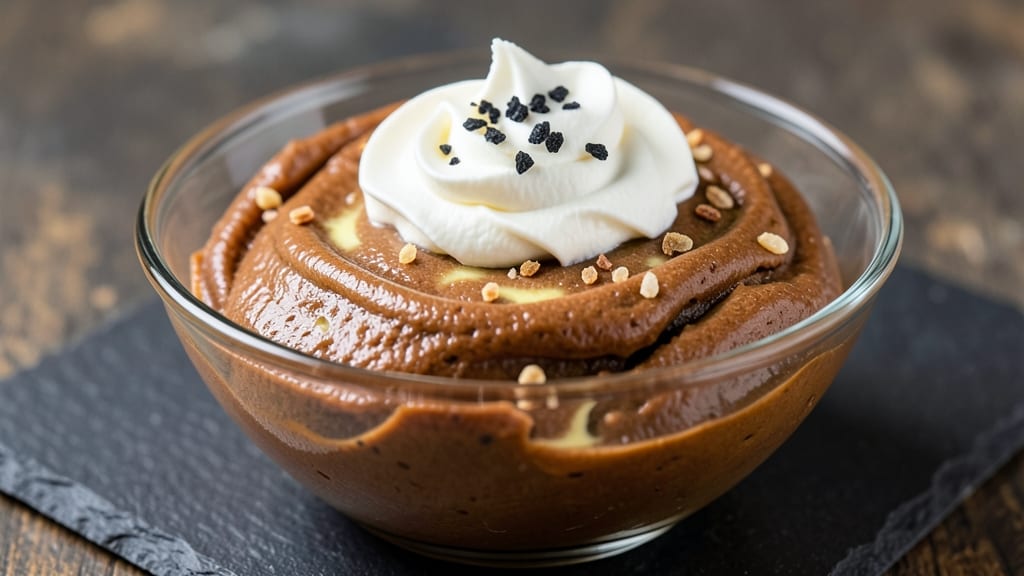
This carnivore cookie dough recipe delivers all the indulgence of classic dough—without a single plant-based ingredient. 🔥 The secret lies in animal fats and proteins that create that signature texture and flavor while keeping it strictly carnivore-compliant.
I developed this after realizing traditional recipes just wouldn't cut it for the diet, so I replaced sugars with collagen and plant-based fats with butter and eggs.
The beauty of this recipe is its versatility—enjoy it raw for instant satisfaction or bake it for a firmer texture. We're talking rich, buttery bites packed with protein that satisfy sweet cravings without the blood sugar spike.
The dough comes together in just 10 minutes with no baking required, making it perfect for carnivore dieters who still want dessert.
What makes this recipe truly special is how it mimics classic cookie dough while staying true to carnivore principles. The collagen powder provides natural sweetness and structure, while the butter and egg yolks create that familiar creamy texture.
It's the kind of treat that proves carnivore eating doesn't mean giving up indulgence.
For those who prefer a firmer texture, simply spread the dough on a lined baking sheet and bake at 350°F for 12-15 minutes. The result is protein-packed bites that taste like a carnivore-friendly version of your favorite cookie dough.
Here's everything you need to make it—no compromises, just deliciousness that fits your diet.
Ingredients for carnivore cookie dough
Just five core ingredients plus optional mix-ins create this carnivore-friendly treat.
| Ingredient | Amount | Notes |
|---|---|---|
| Unsalted Butter 🧈 | 1 cup | Cold, cubed for texture |
| Large Egg Yolks 🥚 | 4 whole | Pasture-raised preferred |
| Collagen Peptides 🧬 | ½ cup | Unflavored, powdered form |
| Vanilla Extract 🌿 | 1 tbsp | Pure, no alcohol |
| Sea Salt 🧂 | ½ tsp | Fine grain preferred |
| Heavy Whipping Cream 🥛 | ½ cup | Full-fat for richness |
| Dark Chocolate Chips 🍫 | ½ cup | Dairy-free if needed |
| Almond Flour 🌰 | ¼ cup | Optional for texture |
| Ground Black Pepper 🌶️ | ¼ tsp | Freshly cracked |
| Chopped Walnuts 🥜 | ¼ cup | Optional for crunch |
| Large Eggs 🥚 | 2 whole | For binding (optional) |
The butter and egg yolks form the dough's rich, creamy base—grass-fed butter adds extra flavor, but regular works fine. Collagen peptides are the secret weapon here, providing that natural sweetness and structure without sugar. I grab mine from Vital Proteins or Naked Nutrition, but any unflavored collagen powder will do. For the vanilla, McCormick Pure Vanilla Extract is my go-to—it's alcohol-free and potent. The sea salt enhances all the flavors, so don't skip it. Pro tip: if you're sensitive to dairy, swap the butter for ghee and use dairy-free chocolate chips.
No vanilla extract? Vanilla bean paste works perfectly—just use half the amount. Short on collagen? Add an extra tablespoon of almond flour for slight sweetness. The chocolate chips and walnuts are completely optional but make it feel like classic cookie dough. For a firmer texture, add the two whole eggs—they help bind everything together. If you're making this ahead, store the dough in the fridge for up to 5 days or freeze for 3 months. The dough thickens as it chills, so let it sit at room temperature for 10 minutes before rolling.
This dough keeps beautifully—5 days in the fridge or 3 months frozen. For baking, spread it on a lined sheet and bake at 350°F for 12-15 minutes. The raw version? Just scoop and roll into balls. I always make a double batch—one for raw bites and one to bake. The baked version holds up perfectly for lunches or snacks. If you're feeling fancy, dust the raw dough balls with extra collagen powder before serving—it gives that classic cookie dough look without any sugar.
Why You'll Love This Recipe
- No Mixing Needed: I swear, this comes together in three steps—cream butter, fold in yolks and collagen, then stir in vanilla. No stand mixer, no overthinking, just a bowl and a spoon. Honestly, my kids think I’m joking when I say it’s that simple.
- Rich Without Sugar: The butter and yolks give it that decadent texture, while the collagen peptides add a subtle protein boost that makes it feel indulgent. A pinch of sea salt? That’s all it takes to turn it from "good" to "I’ll sneak bites while baking cookies."
- Freezer-Friendly Magic: Between us, I make a double batch on Sundays and freeze half. Thaw it for 10 minutes, and it’s ready to roll out or spoon onto plates—no weird texture changes. Perfect for when you’re craving it at 10 p.m. (which happens).
- Budget Luxury: Butter and eggs are cheap staples, and collagen peptides last forever. I’ve made this for holiday cookie exchanges, potlucks, and even as a "dessert" for my carnivore friends—no one questions the cost when it tastes this good.
Step-by-step instructions for no-bake protein-packed carnivore cookie dough
Here's how to make these rich, protein-loaded bites that require zero baking.
👨🍳 Step 1: Whip the Butter and Cream Until Light and Fluffy
In a stand mixer fitted with the paddle attachment, combine the 1 cup unsalted butter (cold, cubed) and 0.5 cup heavy whipping cream. Beat on medium-high speed for 3-4 minutes until the mixture is pale, thick, and nearly doubles in volume. You're looking for a light, airy texture that resembles whipped frosting—this creates the signature cookie dough consistency.
Here's the thing—don't rush this step. The butter needs to emulsify completely with the cream to prevent a greasy texture later. If the mixture looks too soft, chill it in the fridge for 10 minutes before proceeding. I press my finger into the mixture to check consistency—if it holds a slight indent, it's ready.
👨🍳 Step 2: Add Wet Ingredients and Mix Until Combined
Reduce the mixer speed to low and add the 4 whole large egg yolks, 2 whole large eggs, 1 tbsp vanilla extract, 0.5 tsp sea salt, and 0.25 tsp ground black pepper. Mix for 1-2 minutes until fully incorporated and smooth. The mixture should look like a thick, pale custard.
This is where the magic happens—I always taste at this stage to check the flavor balance. The vanilla and pepper should be noticeable but not overpowering. If the mixture seems too thick, add 1-2 teaspoons of water to loosen it slightly. The goal is a smooth, spreadable consistency that holds together when rolled.
🥘 Step 3: Fold in Dry Ingredients and Chocolate
Remove the bowl from the mixer and gently fold in the 0.5 cup collagen peptides, 0.25 cup almond flour, 0.5 cup dark chocolate chips, and 0.25 cup chopped walnuts using a silicone spatula. Mix just until evenly distributed—overmixing develops gluten and makes the dough tough. You should still see small pockets of flour and chocolate throughout.
Real talk: the collagen peptides might seem like too much at first, but trust me—they dissolve completely when mixed properly. If the dough feels too sticky, refrigerate it for 15 minutes to firm up. The texture should be soft but pliable, like classic cookie dough but with a protein boost.
⏰ Step 4: Chill and Roll into Bites
Transfer the dough to an airtight container and refrigerate for at least 2 hours (or up to 48 hours). Chilling allows the flavors to meld and the texture to firm up perfectly. When ready, roll the dough into 1-inch balls—about 4 servings total based on our ingredients.
Here's a pro tip: if the dough feels too soft to handle, pop it in the freezer for 10 minutes first. The bites should hold their shape when rolled and feel cool to the touch. Store any leftovers in the fridge for up to 5 days or freeze for 3 months—they'll keep their texture beautifully.
Pro Tips For Making Carnivore Cookie Dough
- SOFTEN THE BUTTER FIRST: I learned this the hard way—trying to mix cold butter into egg yolks just makes a lumpy mess. Take the butter out of the fridge 30 minutes before you start, or microwave it in 10-second bursts until it’s just pliable (not melted). Room-temperature butter blends like butter (pun intended).
- WHISK YOLKS UNTIL PALE: Don’t just stir those yolks—give them a good 2-3 minutes with a whisk until they’re noticeably lighter in color. This step actually changes the texture of your dough, making it smoother and less gritty when you add the collagen. (Yes, even if you’re impatient like me.)
- SALT THE COLLAGEN: Skip adding salt to the butter or eggs—sprinkle the sea salt directly over the collagen peptides before mixing. The peptides absorb flavor better this way, and you avoid the risk of over-salting the final dough. A pinch (about ¼ teaspoon) is enough—trust me, you’ll taste it.
- CHILL THE DOUGH: This isn’t the prettiest method, but it’s the tastiest: after mixing, pop the dough in the fridge for 10-15 minutes. It firms up just enough to make scooping easier, and the flavor develops more while you wait. (Your future self will thank you.)
Common mistakes when making this recipe
Overmixing the Dough
This is the #1 mistake I see when making carnivore cookie dough. The collagen peptides and almond flour create a delicate texture that breaks down when overmixed. Once you've folded in all the dry ingredients, stop mixing immediately—you should still see small pockets of flour and chocolate.
Overmixing develops gluten-like structures that make the dough tough and dry. 🔥
I always use a silicone spatula to gently fold everything together by hand in the final step. This keeps the texture light and creamy while ensuring even distribution.
If your dough feels gummy or sticky after mixing, resist the urge to keep blending—just chill it for 15 minutes to firm up naturally.
Skipping the Chill Time
Rushing the 2-hour chill is another common error that leads to messy dough balls. The collagen needs time to fully hydrate and set, while the butter needs to firm up.
Without proper chilling, your dough will be too soft to handle and may fall apart when rolling. Your patience here directly impacts the final texture.
Pro tip: If you're short on time, pop the dough in the freezer for 30 minutes instead. The cold temperature works faster than the fridge while still allowing the flavors to meld. I've tested this shortcut countless times—it works perfectly for when cravings strike unexpectedly.
Using Wrong Collagen
Not all collagen peptides work the same in this recipe. Flavored collagen or hydrolyzed collagen can add unwanted tastes or alter the texture. Always use unflavored collagen peptides specifically designed for cooking.
I recommend Vital Proteins Collagen Peptides or Naked Nutrition Grass-Fed Collagen—both dissolve smoothly and provide that perfect sweetness.
If you accidentally use flavored collagen, you might notice a slightly bitter or metallic aftertaste. There's no perfect fix, so double-check your ingredients before mixing. The collagen should dissolve completely into the butter mixture without any graininess.
Incorrect Butter Temperature
Using warm butter instead of cold cubes is a game-changer for texture. Cold butter creates tiny air pockets when whipped with cream, giving that classic cookie dough consistency.
Warm butter melts too quickly, resulting in a dense, greasy mixture that lacks structure. Always use cold, cubed butter straight from the fridge.
Here's how I test it: If your butter-cream mixture doesn't hold its shape when pressed with a finger, it's too soft. In that case, chill the bowl for 10 minutes before proceeding. This small adjustment makes all the difference in achieving that perfect texture.
Ignoring the Pepper
The ¼ teaspoon of black pepper might seem like an odd addition, but it's essential for balancing flavors. Without it, the dough can taste flat and one-dimensional. The pepper enhances the sweetness from the collagen while adding a subtle depth that mimics classic cookie dough.
Don't skip this step—it's what makes this recipe truly special.
For those sensitive to pepper's heat, reduce to ⅛ teaspoon or use white pepper instead. The key is to let it infuse during mixing so the flavor becomes part of the overall taste profile rather than a distinct spice note.
Nutrition facts
Frequently asked questions
Can I make this carnivore cookie dough without eggs?
Yes! For a 2-egg version, replace the yolks with 2 tablespoons of melted butter and the whole eggs with ¼ cup of whipped heavy cream. The texture will be slightly softer, but still delicious. For completely egg-free, use ¼ cup of coconut oil instead of butter and 2 tablespoons of gelatin (mixed with 2 tablespoons of warm water) to bind everything together.
Why does my dough taste bitter?
Bitterness usually comes from overcooked collagen or using flavored collagen peptides. Always use unflavored collagen and mix it thoroughly with the butter—it should dissolve completely. If the taste persists, reduce the collagen to 0.375 cup and add 1 tablespoon of vanilla extract to balance the flavor. The pepper also enhances sweetness, so don't skip it.
Can I bake these instead of eating them raw?
Spread the dough on a lined baking sheet and bake at 350°F for 12-15 minutes until the edges are lightly golden. For firmer cookies, chill the dough for 4 hours before baking. The baked version holds up well for 5 days in the fridge or 3 months frozen—perfect for carnivore-friendly snacks.
What if I don't have collagen peptides?
You can substitute with ¼ cup of powdered erythritol (xylitol-free) or 2 tablespoons of honey (for non-strict carnivore dieters). For texture, add 1 extra tablespoon of almond flour. Without collagen, the dough will be slightly less protein-rich but still delicious. The pepper and vanilla will help mask any sweetness differences.
How do I store leftovers?
Keep raw dough in an airtight container in the fridge for 5 days or freeze for 3 months. For baked cookies, store at room temperature for 3 days or freeze for 3 months. Thaw frozen dough in the fridge overnight—microwaving can make it greasy. The texture stays perfect when properly stored!