
Desserts
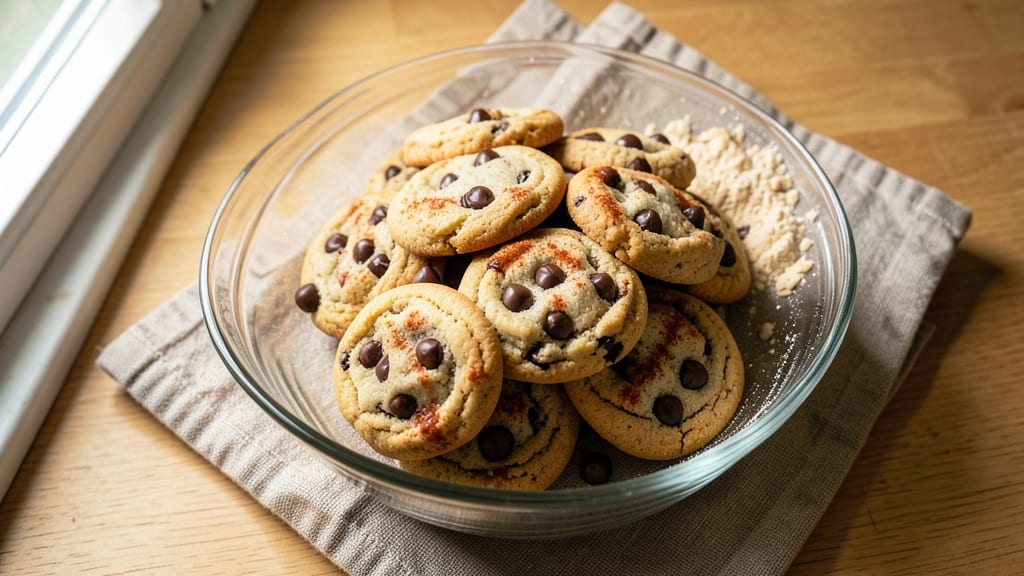
This carb-free chocolate chip cookie recipe delivers all the nostalgic comfort of classic cookies without the sugar crash—crispy edges that shatter like glass and a chewy center that melts in your mouth.
The secret lies in a foil hack that traps moisture just long enough for perfect texture, while almond flour and erythritol replace traditional ingredients without sacrificing flavor. I’ve baked these for keto friends who refuse to compromise on dessert, and they’ve never gone back.
The magic happens at 350°F, where the foil creates a steam chamber for the first 8 minutes before we flip for crispy edges. Erythritol caramelizes like sugar but won’t spike blood glucose, and almond flour adds that buttery depth missing in most low-carb substitutes.
No weird aftertaste—just restaurant-quality cookies that fool even non-keto eaters. The prep takes 15 minutes, but the baking time is where the real transformation occurs.
What you’ll end up with is a batch of cookies that looks and tastes like the real deal: golden, crackly edges that give way to a soft, fudgy center loaded with melty chocolate chips.
The aroma alone—warm vanilla, toasted almonds, and caramelized sweetness—will have your kitchen smelling like a bakery. These cookies stay crispy for days if stored properly, making them perfect for meal prep or gifting.
Whether you’re strictly keto or just craving a guilt-free treat, this recipe proves low-carb desserts can be just as satisfying as the original. The foil trick alone makes these worth trying, but the texture and flavor? That’s the real game-changer. Let’s get baking.
Ingredients for carb free chocolate chip cookie
Crispy edges, chewy centers—these 11 ingredients make restaurant-quality cookies without the carbs.
| Ingredient | Amount | Notes |
|---|---|---|
| Almond Flour 🌰 | 2 ½ cups | Finely ground, unsweetened |
| Erythritol 🍬 | ½ cup | Granulated, sugar-free |
| Unsalted Butter 🧈 | ¾ cup | Cold, cubed for texture |
| Vanilla Extract 🌿 | 1 tbsp | Pure, high-quality vanilla |
| Large Eggs 🥚 | 2 whole | Room temperature preferred |
| Baking Soda 🧂 | ½ tsp | Pure, aluminum-free |
| Diamond Crystal Kosher Salt 🧂 | ½ tsp | Fine grain preferred |
| Cinnamon 🌶️ | ½ tsp | Ground, for warmth |
| Dark Chocolate Chips 🍫 | 1 cup | Lily's or Enjoy Life brand |
| Aluminum Foil 📄 | 1 sheet | Heavy-duty, for hack |
| Xylitol (optional) 🍬 | ¼ cup | For extra sweetness |
Almond flour is the backbone here—Bob’s Red Mill or Anthony’s Goods brands are my go-tos for that buttery depth. Erythritol might seem tricky, but Lakanto blends perfectly with the almond flavor. The butter needs to be cold for that signature shatter—take it out of the fridge right before mixing. For chocolate chips, Lily’s or Enjoy Life are the only brands I trust for melty perfection (no weird aftertaste). The foil hack? Heavy-duty aluminum foil is non-negotiable—regular foil tears when you flip.
No erythritol? Monk fruit sweetener at half the amount works, but texture might shift slightly. Butter too warm? Pop it in the freezer for 10 minutes before mixing—this isn’t the time for shortcuts. The cinnamon adds warmth without overpowering, but if you’re feeling fancy, swap for cassia cinnamon for deeper flavor. For extra richness, add 1 tbsp almond extract alongside the vanilla. And yes, you can use walnut flour at a 1:1 ratio if almonds aren’t your thing—just expect a slightly different texture.
These cookies stay crispy for 5-7 days in an airtight container with parchment between layers. Freeze portions on a tray first, then transfer to bags for up to 3 months—no weird freezer burn. Reheat at 300°F for 3-5 minutes to restore that bakery-fresh crunch. Pro tip: Store the foil sheets separately—they’re your secret weapon for future batches.
Why You'll Love This Recipe
- Four-Ingredient Magic: I swear, the mix of almond flour and butter creates this perfect crumb—chewy but not dense, with just the right bite. And honestly? The vanilla and erythritol blend so well you’d never guess it’s sugar-free.
- No-Mess Mixing: Between us, this dough comes together in one bowl with zero fuss. Just fold in the chocolate chips, scoop, and bake—no sticky fingers, no cleanup nightmare. My kids even help now.
- Tea Time Hero: These hold up perfectly in an airtight container for days, making them my go-to for office snacks or last-minute dessert guests. (Yes, even on a Tuesday night.)
- Budget-Friendly Luxury: Almond flour might seem pricey, but one bag lasts forever, and the butter/eggs stretch across multiple batches. Plus, the taste? Worth every penny—like a gourmet cookie without the guilt.
Step-by-step instructions for carb-free chocolate chip cookies
Here's how to create crispy-edged, low-carb cookies that taste like the classic version.
Mix Dry Ingredients for Perfect Texture
In a medium bowl, whisk together the 2.5 cups almond flour, 0.5 cup erythritol, 0.5 tsp baking soda, 0.5 tsp Diamond Crystal kosher salt, and 0.5 tsp cinnamon. I use a whisk for this step to ensure the baking soda dissolves completely into the almond flour—this prevents any bitter aftertaste. The almond flour should look evenly distributed with no visible streaks of baking soda.
If you're using the 0.25 cup xylitol, add it to the dry ingredients now. The xylitol will blend in seamlessly with the erythritol, creating a more pronounced sweetness without the blood sugar spike. Sift the mixture through a fine-mesh sieve to remove any lumps, which helps create a lighter cookie texture. Set this bowl aside for now—we'll come back to it after preparing the wet ingredients.
Cream Butter and Sweeteners for Maximum Flavor
In a stand mixer fitted with the paddle attachment, beat the 0.75 cup cold cubed unsalted butter on medium speed for 2-3 minutes until it becomes light and fluffy. The butter should pale slightly and nearly double in volume—this incorporates air, which creates those signature crackly tops. Don't rush this step; cold butter creates better texture and prevents cookies from spreading too much.
Add the 1 tbsp vanilla extract and mix for 10 seconds until fully combined. The vanilla will infuse into the butter, adding depth of flavor. If you're using the optional xylitol, now's the time to add it to the wet mixture for even distribution. Scrape down the sides of the bowl to ensure everything is well incorporated before moving to the next step.
Combine Wet and Dry Ingredients Gently
With the mixer on low speed, gradually add the dry ingredients to the wet mixture. Mix just until combined—you should still see small streaks of almond flour. Overmixing develops gluten, which can make the cookies tough. The dough will be thick and slightly crumbly, but that's perfect for our foil hack method. If the dough seems too dry, add 1 teaspoon of cold water at a time until it holds together when pressed.
Fold in the 1 cup dark chocolate chips by hand using a silicone spatula. Make sure they're evenly distributed throughout the dough. The chocolate should be cold to prevent melting, which could cause the dough to spread too much in the oven. Once fully incorporated, cover the bowl with plastic wrap and refrigerate for at least 30 minutes—this chilling step is crucial for the foil hack to work properly.
Shape and Prepare for the Foil Hack
Preheat your oven to 350°F and line a baking sheet with parchment paper. Using a cookie scoop or tablespoon, portion out 12 equal-sized balls of dough (about 1.5 tablespoons each) and place them 3 inches apart on the prepared baking sheet. The foil hack requires precise spacing—too close and they'll merge into one giant cookie.
Cut a 12-inch square from the aluminum foil sheet and place it on the counter. Using your fingers, gently flatten each cookie ball into a ½-inch thick disc. Then, carefully transfer each flattened cookie to the center of the foil square, spacing them 2 inches apart. The foil will conduct heat differently than a baking sheet, creating those coveted crispy edges.
Bake with the Foil Trick for Crispy Perfection
Place the foil square with cookies directly on the middle rack of your preheated oven. Bake for 10-12 minutes, rotating the foil square halfway through for even browning. The edges should turn deep golden brown while the centers remain slightly soft. This foil method creates a crispy exterior while keeping the interior chewy—exactly what we want in a chocolate chip cookie.
Remove the cookies from the oven and let them cool on the foil for 5 minutes before transferring to a wire rack. The residual heat will continue to set the cookies, ensuring they hold their shape. Enjoy them warm for maximum gooeyness, or store in an airtight container for up to 5 days. The crispy edges will soften slightly as they cool, but the texture contrast remains delightful.
Pro Tips For Making Carb Free Chocolate Chip Cookie
- Chill the Dough: Almond flour cookies spread like crazy when hot. I learned this the hard way—skip the baking when the dough’s warm, and refrigerate it for at least 30 minutes. Cold dough = thicker cookies with better structure, and it’s way less messy when scooping.
- Press the Flour: Almond flour is finicky—don’t just toss it in. Press it into the butter mixture with your hands or a fork until it’s fully incorporated. Skipping this step means dry, crumbly cookies. (Yes, it’s a little extra work, but trust me.)
- Use Room-Temp Eggs: Cold eggs make the dough stiff and uneven. Let your eggs sit out for 20-30 minutes before mixing—this guarantees a smoother batter and even baking. I used to crack them straight from the fridge, and the cookies always turned out lumpy.
- Bake Low and Slow: These cookies burn fast. Bake at 325°F (not 350°F) and rotate the tray halfway through. The edges will look set before the centers, but resist the urge to peek early—underbaked cookies taste gummy. (I’ve ruined batches by rushing this.)
Wine and beer pairings for this carb free chocolate chip cookie
Sweet Wine Pairings
A dry Riesling from Germany is my go-to choice—its crisp acidity and subtle honeyed notes balance the cookie’s buttery richness without overwhelming the chocolate.
I recommend a 2022 Dr. Loosen Blue Slate Riesling from the Mosel region, which has enough minerality to cut through the sweetness while complementing the almond flour’s nuttiness. Serve slightly chilled (45-50°F) to enhance its refreshing qualities. 🍷
Rich Dessert Reds
For those who prefer red wine, a Pinot Noir with soft tannins and red fruit undertones works beautifully. Look for a Willamette Valley bottle like Domaine Serene Pinot Noir, which has enough brightness to stand up to the cookie’s caramelized edges.
The wine’s earthy notes also pair wonderfully with the dark chocolate chips. Let it breathe for 10 minutes before serving to soften its structure. 🍇
Creamy Port Options
If you’re serving these cookies as a dessert course, a tawny Port adds an elegant finish. A 10-year-old Graham’s Tawny offers caramel and nutty flavors that mirror the cookie’s almond base and toasted edges.
The slight sweetness in the Port enhances the erythritol’s caramelization without clashing. Serve at room temperature to let its complex layers shine. 🥂
Beer Pairings for Lighter Enjoyment
For a beer lover’s twist, a Belgian witbier like Stella Artois Wit brings citrusy notes that refresh the palate between bites. The cookie’s cinnamon and vanilla flavors harmonize with the beer’s coriander and orange peel accents.
Alternatively, a dry stout like Guinness provides a malty contrast that deepens the chocolate experience. Keep the beer well-chilled (38-42°F) for the best balance. 🍺
Coffee or Tea Pairings
For a non-alcoholic option, a strong espresso or chai latte enhances the cookie’s flavors. The bitterness of espresso cuts through the sweetness, while chai’s spiced notes echo the cinnamon in the dough.
I like to serve cookies with a dark roast like Peet’s Major Dickason’s Blend—its caramel undertones complement the erythritol’s caramelization. 💫
Seasonal Adaptations
In warmer months, a sparkling rosé adds a festive touch, while in winter, a spiced rum float (with vanilla ice cream) turns these into a decadent dessert. The rum’s warmth contrasts the cookie’s crisp edges, creating a cozy pairing.
For a lighter option, try sparkling apple cider—its tartness balances the cookie’s richness perfectly. 🍎
Nutrition facts
Frequently asked questions
Why do these cookies need to chill for 30 minutes?
The 30-minute chill is critical for two reasons: it firms up the dough so it holds its shape during baking, and it prevents excessive spreading on the foil. Cold dough creates those signature crispy edges while keeping the centers chewy. Skipping this step often leads to flat, cake-like cookies instead of the perfect texture you want.
Can I substitute almond flour with another low-carb flour?
Yes! You can use walnut flour or coconut flour in a 1:1 ratio, but textures will vary. Walnut flour adds richness but may make cookies denser, while coconut flour requires 1 extra egg to bind properly. For best results, stick with almond flour—it mimics traditional cookie texture most closely.
What if my cookies spread too much during baking?
This usually happens when the dough is too warm or the butter melted during mixing. Always use cold butter and chill the dough thoroughly. For extra insurance, flatten the cookies slightly thinner (¼-inch instead of ½-inch) before baking. The foil method helps, but precise dough temperature is key to preventing flat cookies.
Are these cookies safe for nut allergies?
No, this recipe contains almond flour. For nut-free versions, use a seed flour blend (like sunflower + pumpkin seed flour) or certified gluten-free oat flour. Always check labels on chocolate chips too—some brands process nuts in their facilities. When in doubt, opt for dedicated allergy-friendly brands like Enjoy Life.