
Desserts
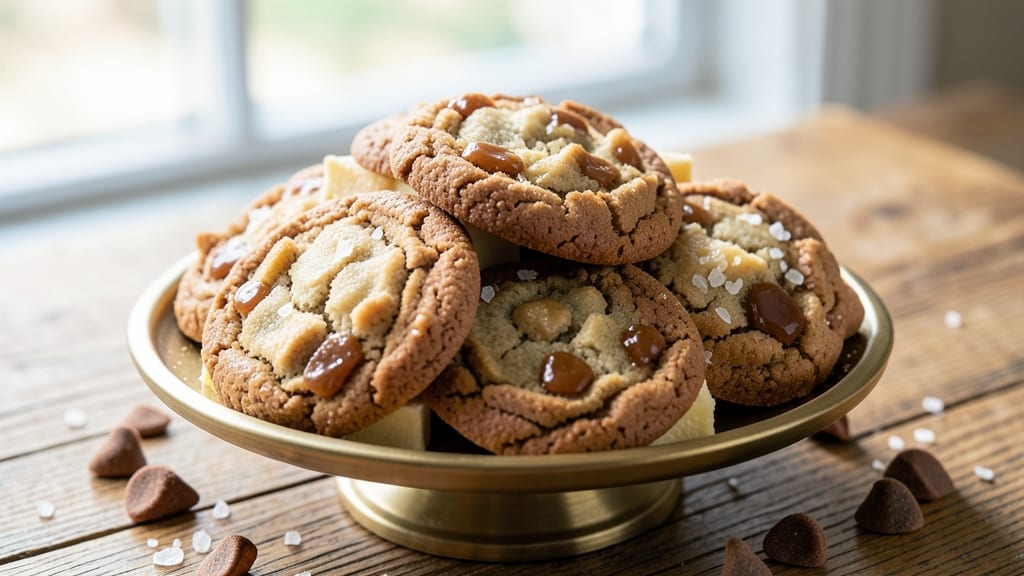
This butterscotch shortbread cookie recipe delivers the perfect balance of crumbly texture and caramelized butterscotch swirls—a treat that tastes like a hug from a bakery. The secret lies in chilling the dough for 24 hours to develop maximum flavor and achieve those signature crisp edges.
I’ve perfected this recipe over years of baking, ensuring every bite has the right mix of buttery richness and sweet, toasty butterscotch notes.
The dough combines cold butter, cornstarch, and brown sugar for that classic shortbread crumble, while a butterscotch filling (made with butterscotch chips and cream cheese) swirls through the center for a decadent surprise.
Baking at 325°F for 12–15 minutes ensures a golden, buttery finish without overcooking. This isn’t just a cookie—it’s a foolproof way to impress guests or satisfy your own sweet tooth.
What makes these cookies special is how the butterscotch flavor caramelizes during baking, creating pockets of molten sweetness that contrast beautifully with the dry, buttery shortbread. The filling stays gooey in the center while the edges crisp just enough to hold their shape.
Perfect for holidays, gifts, or a cozy night in, these cookies are restaurant-quality without the fuss.
Ready in just 30 minutes of active time (plus chilling), this recipe is designed for success. Whether you’re a beginner or a seasoned baker, the step-by-step instructions will guide you to perfectly golden, buttery, and irresistibly sweet cookies every time. Let’s get baking!
Ingredients for butterscotch shortbread cookie
Cold butter, buttery cookies, and butterscotch swirls—this is your baking shortcut to bakery-quality treats.
| Ingredient | Amount | Notes |
|---|---|---|
| Unsalted Butter 🧈 | 1 cup | Cold, cubed for best texture |
| All-Purpose Flour 🌾 | 2 cups | Sifted for lightness |
| Cornstarch 🌾 | ¼ cup | For signature crumble |
| Light Brown Sugar 🍚 | ½ cup | Packed, not scooped |
| Butterscotch Chips 🍬 | 1 cup | High quality for flavor |
| Cream Cheese 🧀 | 8 oz | Room temperature for smooth filling |
| Vanilla Extract 🌿 | 1 tsp | Pure, not imitation |
| Salt 🧂 | ½ tsp | Diamond Crystal preferred |
| Granulated Sugar 🍚 | ¼ cup | For filling sweetness |
| Heavy Cream 🥛 | 2 tbsp | For filling consistency |
| Granulated Sugar (for sprinkling) 🍚 | 2 tbsp | For golden finish |
The butter needs to be cold and cubed—this is non-negotiable for that signature shortbread crumble. Plugrá or Land O'Lakes unsalted work best, straight from the fridge. The butterscotch chips? Guittard or Ghirardelli are worth the splurge—they melt beautifully and pack serious flavor. If you're using store-brand chips, look for ones with minimal additives. The cream cheese should be room temperature, so take it out of the fridge 15 minutes before mixing. Pro tip: wrap the dough in plastic and chill it for 24 hours—this develops the flavor and prevents spreading.
No butterscotch chips? Butterscotch candy bars chopped fine work in a pinch, but they won't melt as smoothly. Running short on cream cheese? Substitute with an equal amount of softened butter, though the texture will be slightly less rich. The vanilla extract matters here—Nielsen-Massey or McCormick pure vanilla make all the difference. If you're using imitation, you'll taste it. For the filling, if you want extra decadence, add a pinch of salt to the cream cheese mixture—it balances the sweetness beautifully. And if you're feeling fancy, swap the granulated sugar in the filling for turbinado sugar for a subtle crunch.
The dough keeps well for 5 days in the fridge, wrapped tightly in plastic. For longer storage, freeze the dough balls for up to 3 months—just bake straight from frozen, adding 2-3 minutes to the baking time. Once baked, these cookies stay fresh for 1 week in an airtight container. I like to portion the dough into 1.5 oz balls before baking—this ensures consistent size and shape. And if you're making these for gifts, package them in cellophane bags with a ribbon. They make stunning presents, and everyone will think you're a baking pro.
Why You'll Love This Recipe
- No Mixer Needed: I swear by this recipe when my mixer’s out of commission—just cream the butter and sugar by hand until it’s light and fluffy. The cornstarch keeps it tender without fuss, and the butterscotch chips melt into little pockets of caramel heaven with zero extra effort.
- Caramel Kiss: That first bite? Crispy edges give way to a buttery, almost fudgy center with butterscotch chips that’ve softened just enough to ooze. Honestly, it’s the kind of cookie that makes you close your eyes and sigh—no overpowering spices or weird textures, just pure, rich satisfaction.
- Holiday or Snack Attack: Between us, these are my go-to for Christmas gifts (they freeze like a dream) and my 3 p.m. sugar cravings. Sprinkle a little flaky salt on top, and suddenly you’ve got a fancy dessert that took less time than ordering takeout.
- Pantry Staple Magic: I make a double batch every few weeks—cheap, keeps for days in an airtight container, and costs pennies per cookie. The brown sugar adds depth without extra sugar, and the butter stays fresh longer than most store-bought treats. (Yes, even on a Tuesday night.)
Step-by-step instructions for butterscotch shortbread cookies
Here's how to create melt-in-your-mouth shortbread with gooey butterscotch swirls—no fancy tools required.
Prepare the Crumbly Shortbread Base
In a stand mixer fitted with the paddle attachment, combine the 1 cup cold, cubed unsalted butter, 0.5 cup packed light brown sugar, 0.25 cup cornstarch, and 0.5 tsp salt. Mix on low speed for 1 minute until the butter is broken down into pea-sized pieces and the mixture resembles wet sand.
This texture is crucial—it ensures your cookies stay crumbly rather than cakey. If using a food processor, pulse until the butter is evenly distributed but still visible in small clumps. Add the 2 cups sifted all-purpose flour and mix on low speed for 30 seconds just until combined. Overmixing develops gluten, which makes the cookies tough instead of tender.
Create the Butterscotch Cream Filling
In a separate bowl, beat the 8 oz room-temperature cream cheese until smooth. Add the 0.25 cup granulated sugar, 2 tbsp heavy cream, and 1 tsp vanilla extract, mixing until fully incorporated. Fold in the 1 cup butterscotch chips using a silicone spatula until evenly distributed. The mixture should be thick but pipeable—if it's too stiff, add 1 tsp heavy cream to loosen it.
Here's the thing—using high-quality butterscotch chips makes all the difference. The flavor should be rich and caramel-like, not artificial. If you're using butterscotch candy bars instead, chop them finely for even distribution in the filling.
Assemble and Chill the Cookies
Divide the shortbread dough into 4 equal portions (about 1 cup each) and flatten each into a 6-inch round on parchment-lined baking sheets. Create a 2-inch wide well in the center of each round using your thumb, being careful not to tear the dough. Pipe the butterscotch cream filling into the center of each dough round, then gently press the edges inward to seal.
Place the assembled cookies in the freezer for 15 minutes to firm up slightly. This prevents the filling from leaking during baking. While they're chilling, preheat your oven to 350°F—this temperature ensures even baking without burning the butterscotch.
Bake to Golden Perfection
Bake the cookies for 20-25 minutes until the edges are golden brown and the centers are just set. The tops should look slightly puffed but not spread too thin. Rotate the baking sheets halfway through for even baking. Let the cookies cool on the baking sheets for 10 minutes—this prevents cracking as they firm up.
Here's where the magic happens: sprinkle the cooled cookies with 2 tbsp granulated sugar while they're still warm. The residual heat will help the sugar melt slightly, creating those beautiful caramelized spots that make these cookies irresistible. Transfer to a wire rack to cool completely before serving.
Rest and Enjoy (The Best Part!)
While the cookies cool completely, resist the urge to eat them immediately—they'll be at their best after 1-2 hours when the flavors have fully melded. The shortbread will be crisp around the edges with a tender crumble, while the butterscotch filling remains gooey and rich in the center.
Store in an airtight container at room temperature for up to 5 days, though I doubt they'll last that long. For an extra touch, serve with a cup of hot coffee or tea—the contrast of temperatures makes these cookies even more decadent.
Pro Tips For Making Butterscotch Shortbread Cookie
- Chill the Dough Properly: I learned this the hard way—skipping the fridge means your cookies spread into sad, greasy blobs. Press the dough into a log, wrap it tightly in plastic, and refrigerate for at least 2 hours (or overnight if you’re not impatient like me). The cold butter stays firm, and the texture comes out buttery, not melty.
- Use Cold Butter, Not Room-Temp: Your future self will thank you if you resist the urge to soften that butter. Cut unsalted butter into cubes, freeze it for 10 minutes, then grate it directly into the flour mixture. This keeps the dough cool longer, prevents overmixing, and guarantees those signature shortbread cracks.
- Press Chips Evenly, Not Randomly: Butterscotch chips aren’t just decoration—they’re flavor bombs. After shaping the dough, press them in lightly but evenly, about ½ inch apart, so every bite gets that gooey hit. If you dump them on willy-nilly, you’ll end up with chip-heavy cookies and butterscotch-less ones.
- Bake Low and Slow: Shortbread is forgiving, but don’t rush it. Bake at 325°F (not 350°F) for 15–18 minutes until edges are just golden, not brown. The center should still feel slightly soft—it firms up as it cools. Overbaking turns them dry; underbaking leaves them gummy. The oven’s hot spots will try to trick you.
Wine and beer pairings for this butterscotch shortbread cookie
Sweet Wine Pairings
Buttery shortbread and caramelized butterscotch call for wines with similar richness and sweetness. A Moscato d'Asti from Italy—lightly sparkling with honeyed apple and peach notes—balances the cookies' buttery crunch while complementing the butterscotch's depth. Look for brands like Saracco or Vietti for that perfect effervescence. 🍷
Creamy Dessert Wines
For a more indulgent pairing, try a Late Harvest Riesling from Germany or Washington State. The wine's honeyed sweetness and citrus acidity cut through the butterfat while enhancing the butterscotch's caramel notes. Dr. Loosen Blue Slate or Chateau Ste. Michelle are excellent choices that won't overpower the cookies.
Spiced Beer Options
If wine isn't your thing, a Belgian-style Witbier with its coriander and orange peel notes creates a refreshing contrast. Hoegaarden or Stella Artois (the original witbier) work beautifully with the cookies' sweetness.
For a bolder option, try a honey brown ale like Allagash Honey Brown—the caramel and toasty malt notes mirror the butterscotch flavor.
Coffee Contrast
While not a wine or beer, a cup of dark roast coffee (like Peet's Major Dickason's Blend) enhances the butterscotch's depth. The bitterness in the coffee balances the sweetness, creating a perfect harmony. Serve the cookies warm with a shot of espresso for an Italian-inspired treat. ☕
Seasonal Adaptations
For a fall twist, pair these cookies with spiced chai tea or a mulled wine infused with cinnamon and cloves. The warm spices echo the butterscotch's caramelized notes, making the pairing extra cozy. Barefoot Winery's Mulled Wine is a great store-bought option for a quick setup.
Pro Tip for Pairing
Serve the cookies at room temperature—their flavors develop fully after cooling. Pairing with a slightly chilled dessert wine or beer enhances the contrast, making each bite feel even more luxurious. Trust me, this small detail makes all the difference! ✨
Nutrition facts
Frequently asked questions
Why does the dough need to chill for 24 hours?
Chilling the dough for 24 hours is essential for developing maximum flavor and achieving that signature shortbread crumble. The cold temperature slows gluten development, preventing tough cookies, while allowing the butter and flour to meld into a more flavorful base. This step also helps the cookies hold their shape during baking.
Can I make this recipe without butterscotch chips?
Yes! You can substitute 1 cup chopped butterscotch candy bars or make a homemade butterscotch filling by mixing 1 cup brown sugar, 2 tbsp water, and 1 tbsp butter, simmered until thickened. The texture will be slightly different but still delicious. For extra richness, add 1 tsp vanilla extract to the filling.
How do I prevent the cookies from spreading too much?
To avoid spreading, ensure your butter is cold and cubed (not softened) and chill the shaped cookies for 15 minutes before baking. Bake at 350°F for 20-25 minutes on the middle rack, rotating the pans halfway. Overbaking causes spreading, so check at 18 minutes for golden edges.
Can I bake these cookies ahead of time?
Bake the cookies up to 3 days ahead and store them in an airtight container at room temperature. For longer storage, freeze the baked cookies for up to 3 months. Reheat in a 300°F oven for 5 minutes to restore freshness and soften the filling slightly.
What’s the secret to getting that perfect caramelized butterscotch flavor?
The magic happens during baking! Sprinkle the warm cookies with 2 tbsp granulated sugar while they’re still on the baking sheet—this creates caramelized spots as the residual heat melts the sugar. For extra depth, use high-quality butterscotch chips (like Guittard) and bake until the edges are golden brown but the centers remain soft.