
Desserts
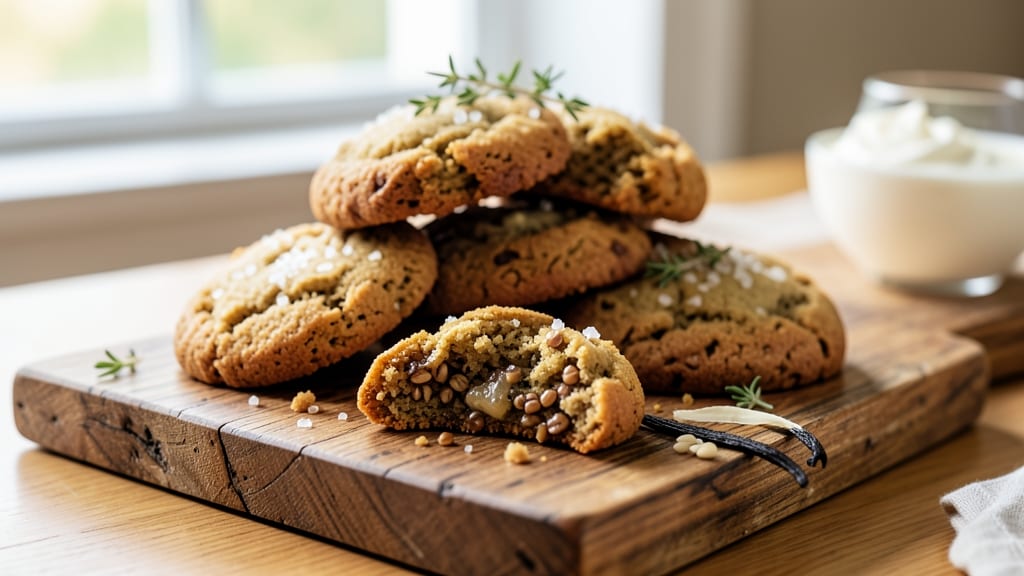
This buckwheat shortbread cookie recipe transforms classic buttery shortbread into a nutty, textured delight with just one unexpected ingredient. The toasted buckwheat groats add a subtle earthiness that pairs beautifully with vanilla bean, creating cookies that are crisp at the edges yet tender inside.
What makes this recipe special is how it balances traditional shortbread techniques with the bold flavor of buckwheat—a gluten-free grain that adds both nutrition and depth without overpowering the delicate sweetness.
The foundation of these cookies lies in a precise ratio of cold butter to both all-purpose and buckwheat flour, creating a crumbly yet sturdy dough that holds its shape during baking.
At 325°F, the cookies bake to a perfect golden brown in about 12-15 minutes, developing that signature shortbread flavor while the buckwheat groats toast lightly for added texture. The secret to their success?
Chilling the dough for at least 30 minutes before baking ensures clean edges and even baking.
What you'll end up with is a batch of cookies that's equally satisfying for breakfast with tea or as an after-dinner treat. The nutty aroma of buckwheat mingles with warm vanilla, while the crisp edges give way to a melt-in-your-mouth center.
For an extra touch of elegance, dust with powdered sugar or drizzle with honey before serving—though I promise, they're delicious just as they are.
These cookies also make an excellent gift, as they hold their texture for days and travel beautifully. Whether you're looking to add a nutritious twist to a classic dessert or simply want to impress with a unique treat, this recipe delivers restaurant-quality results with minimal effort. Let's get baking!
Ingredients for buckwheat shortbread cookie
Nine ingredients transform classic shortbread into nutty, vanilla-kissed cookies with restaurant-quality texture.
| Ingredient | Amount | Notes |
|---|---|---|
| Unsalted Butter, Cold and Cubed 🧈 | 1 cup | European-style preferred for flavor |
| All-Purpose Flour 🌾 | 1 ½ cups | Sifted, for light texture |
| Buckwheat Groats 🌾 | ½ cup | Toasted for nutty aroma |
| Granulated Sugar 🍚 | ½ cup | Superfine preferred for smoothness |
| Vanilla Bean, Split 🌿 | 1 whole | Seeds scraped for maximum flavor |
| Diamond Crystal Kosher Salt 🧂 | ½ tsp | Fine grain preferred |
| Ground Cinnamon 🌶️ | ½ tsp | Freshly ground for warmth |
| Powdered Sugar 🍚 | ¼ cup | For dusting finished cookies |
| Heavy Cream 🥛 | 2 tbsp | For vanilla bean scraping |
The butter is non-negotiable—European-style like Plugrá or Irish butter has more flavor. Grab it from Whole Foods or specialty markets if your grocery store doesn't carry it. For the buckwheat groats, Trader Joe's has them pre-toasted, which saves time. If you're using whole groats, toast them in a dry pan for 3-4 minutes until fragrant. The vanilla bean? Madagascar beans from Penzeys deliver the best balance of sweetness and aroma. Sift your flour first—this prevents dense cookies, and trust me, you'll notice the difference.
No European butter? High-fat American butter works, but chill it thoroughly before cubing. Substituting buckwheat? Almond flour at half the amount gives similar texture, though less nutty depth. Running out of vanilla bean? Pure vanilla extract at double the amount (1 tsp) works in a pinch, but you'll miss that fleck of vanilla in every bite. Diamond Crystal salt is crucial—Morton's absorbs moisture differently, so if that's all you have, reduce by 1/4 tsp. For the cinnamon, Ceylon cinnamon has a milder, sweeter profile if you prefer less heat.
Store dough in the fridge for up to 48 hours—it actually improves as it rests. Baked cookies keep their crispness for 5 days in an airtight container, though they'll soften slightly. For gifting, wrap individually in parchment and tie with twine—they travel beautifully. Freeze unbaked dough balls for 3 months—bake straight from frozen, adding 1-2 minutes to the time. And if you're feeling fancy, brush the tops with melted butter before dusting powdered sugar for extra shine.
Why You'll Love This Recipe
- No Fuss Dough: I swear by this recipe—just cube butter, pulse groats, and fold. No chilling, no rolling, no stress. The buckwheat adds texture without extra work, and the dough comes together faster than I can put on a podcast.
- Nutty-Sweet Magic: That earthy buckwheat groat crunch paired with vanilla? It’s like shortbread had a sophisticated cousin. The sugar caramelizes just enough to make every bite taste intentionally good—not cloying, just perfectly balanced.
- Tea Time MVP: These hold up for days, so I bake a batch on Sunday and stash them for coffee breaks, book club, or "I just need a cookie" moments. The split vanilla bean adds a whisper of luxury, but they’re still simple enough for a weekday treat.
- Budget-Friendly Crunch: Buckwheat groats are cheaper than nuts, and using a vanilla bean split (instead of extract) stretches it across multiple batches. Plus, the dough’s forgiving—even if I overmix, the cookies still turn out tender and golden.
Step-by-step instructions for buckwheat shortbread cookies
Here's how to craft these nutty, vanilla-infused cookies with perfect texture every time.
Toast the Buckwheat Groats for Nutty Depth
Preheat your oven to 350°F and spread the 0.5 cup buckwheat groats on a rimmed baking sheet in a single layer. Toast for 8-10 minutes, stirring halfway, until they're fragrant and lightly golden brown. This step develops their nutty flavor and prevents them from turning bitter during baking.
Let the groats cool completely before using. I like to spread them on a wire rack to cool faster—this prevents them from steaming when added to the butter. The toasted groats will add a subtle earthiness that balances the sweetness perfectly.
Cream Butter and Sugar with Vanilla Infusion
In a stand mixer fitted with the paddle attachment, beat the 1 cup cold cubed butter and 0.5 cup granulated sugar on medium speed for 3-4 minutes until light and fluffy. Scrape down the sides of the bowl as needed to ensure even mixing.
Add the scraped vanilla bean seeds (from the split bean) and 2 tbsp heavy cream to the butter mixture. Mix for another 30 seconds until fully incorporated. The cream helps dissolve the vanilla seeds completely, creating a rich, aromatic base. This is where the magic happens—don't skip this step, as it ensures maximum vanilla flavor in every bite.
Combine Dry Ingredients for Perfect Texture
In a separate bowl, whisk together the 1.5 cups all-purpose flour, 0.5 tsp kosher salt, and 0.5 tsp ground cinnamon. Sift the flour mixture directly into the butter mixture with the mixer running on low speed until just combined. Avoid overmixing—you want to see small flour streaks remain.
Gently fold in the cooled, toasted buckwheat groats using a silicone spatula. The groats should be evenly distributed throughout the dough. This is where the texture magic occurs—the buckwheat adds a delightful crunch while the flour creates the classic shortbread structure. The dough will be slightly crumbly, which is perfect for this recipe.
Chill and Shape for Ideal Baking
Divide the dough into two equal portions and flatten each into a ½-inch thick disk. Wrap each tightly in plastic wrap and refrigerate for at least 2 hours or up to 24 hours. Chilling is crucial—it firms up the butter for even baking and prevents the cookies from spreading too much in the oven.
After chilling, preheat your oven to 325°F. Using a 2.5-inch round cutter, cut out cookies and place them 2 inches apart on parchment-lined baking sheets. The dough will be cold and firm, making it easier to handle and cut clean shapes.
Bake to Golden Perfection and Finish
Bake the cookies for 12-14 minutes until the edges are light golden brown and the centers look slightly underdone. They'll firm up as they cool. Rotate the baking sheets halfway through for even baking—this is especially important as the oven's heat can vary.
Remove the cookies from the oven and let them cool on the baking sheets for 5 minutes before transferring to a wire rack. While still warm, brush the tops with a bit of melted butter for extra richness, if desired. Once completely cool, dust generously with the 0.25 cup powdered sugar for that signature shortbread finish. These cookies will keep well in an airtight container for up to 5 days, though they're best enjoyed fresh.
Pro Tips For Making Buckwheat Shortbread Cookie
- Pulse the Buckwheat: Toss the whole buckwheat groats into the food processor with the flour and sugar first, then pulse just until you see tiny specks of groat—no floury dust. I learned this the hard way: grinding them fully turns the dough gummy and chewy. You want texture, not mush.
- Cube Butter Like Ice: Freeze your butter cubes for 15 minutes before mixing, then work fast. Cold cubes should hold their shape when pressed—they’ll melt unevenly if they’re tepid. (Yes, even if you’re impatient like me, this is the thing that matters most.)
- Skip the Overmixing: The moment the dough clumps together, stop. Buckwheat groats are like tiny sandpaper—they’ll turn your dough into a paste if you keep kneading. A few rough lumps? That’s the goal. Smooth dough = tough cookies.
- Chill the Dough Twice: Wrap the dough in plastic and refrigerate for at least 2 hours, then flatten the discs and freeze them for 15 minutes before baking. This prevents spreading and ensures the buckwheat flavor develops fully—not just the edges burning while the center stays doughy.
Wine and beer pairings for this dish
White Wine Pairings
For these nutty, vanilla-infused cookies, I reach for a dry Riesling with crisp acidity—its bright citrus notes cut through the richness while complementing the buckwheat’s earthiness. A German or Alsace Riesling from Dr. Loosen or Trimbach works beautifully, especially if you prefer a slightly off-dry style.
The wine’s mineral finish mirrors the cookies’ toasted groats, creating a perfect harmony. 🍷
Sparkling Wine Elevation
Celebrate these cookies with a Prosecco or Cava—their effervescence cleanses your palate between bites, making each flavor pop. I love La Marca Prosecco for its floral notes that pair with the vanilla, or Freixenet Elyssia Cava for a drier, crisper option. Chill both to 45-50°F for optimal enjoyment.
Beer Pairings
A Belgian witbier like Hoegaarden or Stella Artois Wit brings citrusy coriander and spicy notes that contrast the cookies’ buttery sweetness. For something richer, try a honey ale—Allagash Honey Farmer adds a floral sweetness that enhances the buckwheat’s nuttiness. Serve both chilled at 40-45°F.
Coffee or Tea Pairings
Morning or afternoon? These cookies shine with Earl Grey tea—the bergamot’s citrusy aroma complements the vanilla, while the tannins balance the butter’s richness. For coffee lovers, a light roast with honey notes (like Blue Bottle’s Honey Almond) mirrors the buckwheat’s caramelized depth.
Brew your coffee slightly stronger to stand up to the cookies’ texture. ☕
Liqueur Finishing Touch
For a dessert pairing, drizzle the cookies with frangelico or vanilla liqueur before serving. The anise in frangelico adds warmth, while vanilla liqueur (like Giffard) deepens the cookie’s signature flavor. Serve with a demi-tasse espresso for a sophisticated after-dinner treat.
Nutrition facts
Frequently asked questions
Can I substitute buckwheat groats for buckwheat flour in this recipe?
Yes, but with a few adjustments! Use ½ cup buckwheat flour instead of the groats, but reduce the all-purpose flour to 1.25 cups to maintain the right texture. Toast the buckwheat flour in the oven (350°F for 5 minutes) before using to enhance the nutty flavor. The groats add more texture, while flour blends more smoothly into the dough.
Why does my dough keep sticking to the rolling pin?
This happens when the butter isn't cold enough or the dough isn't rested properly. Chill your dough for the full 2 hours (or overnight) and ensure your butter is firmly cold before mixing. If it still sticks, lightly flour your rolling pin and work surface, but avoid over-flouring or your cookies may become tough.
Can I make these cookies gluten-free?
Replace the all-purpose flour with a 1:1 gluten-free flour blend (like Bob's Red Mill) and use ½ cup buckwheat flour instead of groats. Add ½ tsp xanthan gum to help bind the dough. The texture will be slightly different but still delicious. For extra crispness, bake at 350°F for 10-12 minutes instead of 325°F.
How do I prevent my cookies from spreading too much?
Spread is usually caused by warm butter or overmixing. Always use cold butter and chill the dough thoroughly. Press the dough gently when cutting shapes—don't press down hard. For extra control, freeze the dough disks for 15 minutes before cutting. The cookies should hold their shape beautifully with these adjustments!
What's the best way to store these cookies?
For maximum freshness, store in an airtight container at room temperature for up to 5 days. The buckwheat keeps them from getting stale too quickly. To revive slightly stale cookies, warm them in a 300°F oven for 3-4 minutes. For longer storage, freeze the baked cookies (without dusting) for up to 3 months—reheat briefly before serving.