
Desserts
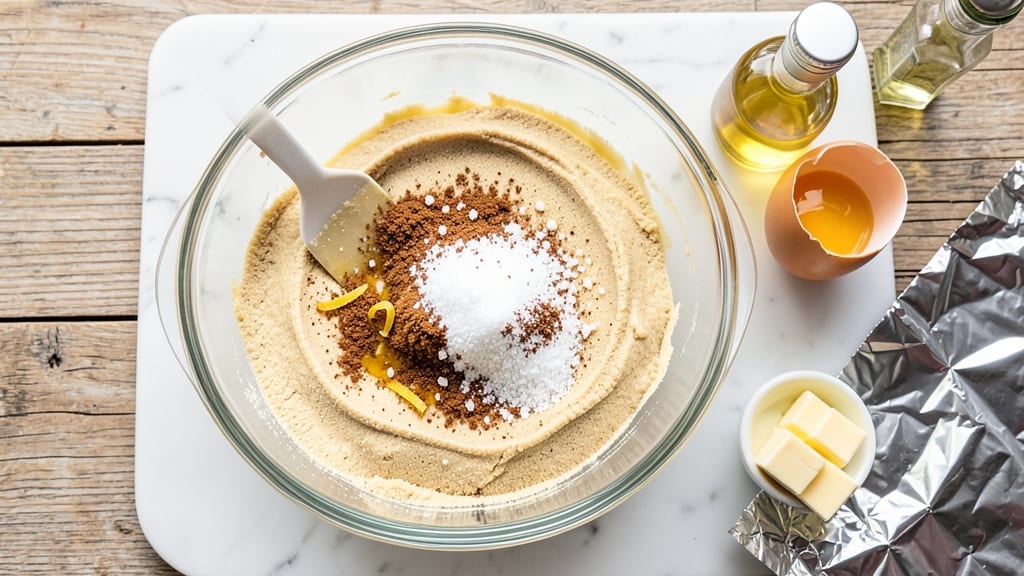
This Bisquick sugar cookie recipe delivers restaurant-quality cookies in under 30 minutes—no chilling required. I remember the first time I tried this method after burning through three batches of traditional dough, and it changed everything.
The foil-sealing trick ensures perfect spread and crisp edges without the stress of waiting for dough to rest.
What makes these cookies special is the foolproof Bisquick base, which eliminates the need for multiple dry ingredients and guarantees tender centers with just the right crunch.
The secret lies in the foil-sealed baking method, where the cookies bake in their own steam for the first few minutes before crisping up—no overbaking, no flat cookies. This technique works every time, even with kids helping in the kitchen.
By the time they emerge from the oven, you'll have golden, perfectly shaped cookies with crisp edges and soft interiors, ready for decorating or eating straight from the pan. The flavor is classic sugar cookie—sweet, buttery, and just slightly crisp—without requiring hours of prep or special ingredients.
These cookies stay fresh on the counter for days, making them perfect for holidays or last-minute baking needs.
Add cream cheese frosting, sprinkle with colored sugar, or keep them simple with a dusting of powdered sugar. The possibilities are endless, but the method remains quick, reliable, and stress-free—just like a Sunday afternoon should be. Let's get baking!
Ingredients for bisquick sugar cookie
The secret to foolproof sugar cookies lies in this simple yet powerful ingredient lineup.
| Ingredient | Amount | Notes |
|---|---|---|
| Bisquick Original Mix 🍞 | 3 ½ cups | Standard Bisquick baking mix |
| Unsalted Butter 🧈 | 1 cup | Cold, cubed for texture |
| Granulated Sugar 🍚 | 1 cup | Standard white sugar |
| Large Eggs 🥚 | 2 whole | Room temperature preferred |
| Vanilla Extract 🌿 | 1 tbsp | Pure vanilla preferred |
| Aluminum Foil 📄 | 1 sheet | Heavy-duty for sealing |
| Powdered Sugar 🍚 | 1 ½ cups | For dusting or frosting |
| Diamond Crystal Kosher Salt 🧂 | ½ tsp | Fine grain preferred |
| Ground Cinnamon 🌶️ | ½ tsp | Optional for warmth |
| Colored Sugar 🍬 | ¼ cup | For decorating (optional) |
| Heavy Cream 🥛 | ½ cup | For optional cream cheese frosting |
| Cream Cheese 🧀 | 8 oz | Room temperature for frosting |
The Bisquick is the foundation here—standard Bisquick works best, not the low-fat versions. Kroger or Publix brands are reliable, but store-brand Bisquick is fine too. For the butter, unsalted is essential to control sweetness, and cold cubes ensure proper texture. The granulated sugar should be standard white sugar—no fancy alternatives. Eggs are best at room temperature to blend smoothly, but cold eggs work in a pinch. Vanilla extract should be pure, not imitation—McCormick or Goya are solid choices. The aluminum foil needs to be heavy-duty to hold the steam during baking.
No Bisquick? Mix 1.5 cups all-purpose flour, 2 tbsp sugar, 1 tbsp baking powder, and 0.5 tsp salt as a substitute. Short on butter? Coconut oil works but alters flavor slightly. Powdered sugar can be swapped for confectioners' sugar if needed. The kosher salt is key for flavor balance—Diamond Crystal is preferred, but Morton works too. For the cream cheese frosting, Philadelphia brand is ideal, but any full-fat cream cheese will do. Colored sugar can be omitted entirely if you prefer plain cookies. The cinnamon is optional but adds warmth—McCormick ground cinnamon is widely available.
Store unbaked dough in an airtight container in the fridge for up to 2 days or freeze for 3 months. Baked cookies stay fresh on the counter for 5 days or in an airtight container for 1 week. For the cream cheese frosting, mix with powdered sugar and heavy cream right before serving—it thickens quickly. Foil-sealed cookies reheat beautifully in a 350°F oven for 2-3 minutes to restore crisp edges. Portion dough into 1-inch balls for uniform baking.
Why You'll Love This Recipe
- Five-Ingredient Magic: The pantry already has these—no special shopping trips. Creamy butter, Bisquick’s warm base, and vanilla turn into golden cookies faster than you can preheat the oven.
- Buttery Vanilla Bliss: That first bite? Soft, buttery layers with just enough sugar to melt in your mouth. The egg ties it all together—no weird aftertaste, just pure comfort.
- Party in a Box: Roll them out for holiday cookies or drop spoonfuls for a quick snack. They freeze like champs too—perfect for when your kid’s class asks for treats last minute.
- Budget Baked Good: A whole batch costs less than takeout. The mix does half the work, and you’ll have leftovers that taste fresher than store-bought days later.
Step-by-step instructions for foil-sealed Bisquick sugar cookies
Here's the efficient method that delivers crisp-edged cookies without the mandatory chilling wait.
Prepare the Dough with Cold Butter
In a large mixing bowl, combine the 3.5 cups Bisquick Original Mix, 1 cup Granulated Sugar, 0.5 tsp Diamond Crystal Kosher Salt, and 0.5 tsp Ground Cinnamon. Mix until evenly distributed - you'll see a uniform, slightly grainy texture. This dry blend forms the structural foundation of your cookies.
Cut in the 1 cup Unsalted Butter using a pastry cutter or your fingers until the mixture resembles coarse crumbs with pea-sized butter pieces. The cold butter creates steam pockets during baking, which is key to that signature crunch. If the butter starts melting too quickly, chill the bowl in the refrigerator for 5 minutes to firm it up again.
Add the 2 whole Large Eggs and 1 tbsp Vanilla Extract, then mix on low speed until just combined. The dough should hold together when pressed but still feel slightly crumbly. Avoid overmixing - you're looking for a rough, shaggy consistency that will develop as it bakes. If the dough feels too dry, add 1 tablespoon of heavy cream to help bind it together.
Shape and Seal with Foil
Divide the dough into 24 equal portions (about 1.5 tablespoons each). Roll each portion into a ball and flatten slightly on a parchment-lined baking sheet. The cookies should be about 1.5 inches in diameter with 0.5-inch thick centers - this ensures even baking and that perfect crunch.
Here's the game-changer: place a 2-inch square of the Aluminum Foil under each cookie, then gently press the dough against the foil. This creates a crispy bottom edge without requiring chilling. Arrange the foil-wrapped cookies on the baking sheet with 1 inch between each one - they'll spread slightly during baking.
Preheat your oven to 375°F while you prepare the cookies. The high heat is crucial for developing that signature crunch. I've found that using the middle rack ensures even heat distribution throughout the oven. Once the oven reaches temperature, bake the cookies for 10-12 minutes until the edges are golden brown and the centers still look slightly underdone.
Create the Frosting and Decorate
While the cookies bake, prepare the cream cheese frosting by beating the 8 oz Cream Cheese and 0.5 cup Heavy Cream together until smooth. Gradually add the 1.5 cups Powdered Sugar, mixing until you achieve a light, spreadable consistency. The frosting should be thick enough to hold its shape but still pipe smoothly.
Once the cookies are golden with crisp edges (they'll continue setting as they cool), remove them from the oven and let them cool on the baking sheet for 5 minutes. This brief cooling period prevents the frosting from melting when you add it. Transfer the cookies to a wire rack to cool completely before decorating.
Pipe or spread the cream cheese frosting onto each cookie, then sprinkle with the 0.25 cup Colored Sugar for that classic sugar cookie look. The colored sugar adds a festive touch while keeping the cookies from becoming too sweet. For extra crunch, press additional colored sugar into the frosting before it sets completely. These cookies are best enjoyed within 24 hours of baking when the crunch is at its peak.
Pro Tips For Making Bisquick Sugar Cookie
- Chill the Dough: I learned this the hard way—rolling out warm dough leads to sad, spread-out cookies. Pop the dough between two sheets of parchment in the fridge for at least 30 minutes (yes, even if you're impatient like me). The cold butter holds its shape, and you'll get those perfect rounds instead of hockey pucks.
- Cut Butter in Cold: This isn’t the prettiest method, but it’s the tastiest. Use a food processor or two forks to mix the butter and sugar until it’s just crumbly—not smooth. Overworking it turns the dough greasy, and your cookies will spread like they’ve been dipped in oil. Stop when it looks like wet sand.
- Skip the Overmixing: The moment your dough starts looking like playdough, you’ve gone too far. Bisquick cookies only need about 10-12 turns with a spoon or 30 seconds in a mixer. Overmixing activates the gluten, and your cookies will turn out tough instead of tender. Less is more—trust me.
- Weigh the Butter: Measuring butter by cups is a gamble, and your cookies will pay the price. Use a kitchen scale for ½ cup (1 stick) of butter—it should be 113 grams. Packed butter adds extra fat, making cookies greasy; lightly packed gives you the right balance. No scale? Scoop it straight from the fridge into the measuring cup and level it off.
Troubleshooting this dish
Dough Too Sticky
If your dough feels overly sticky, it’s likely from overmixing or using warm butter. Chill the dough for 15-20 minutes to firm it up—this helps the gluten relax. If it’s still too wet, add 1 tablespoon of Bisquick at a time until it holds together when pressed.
I’ve found that room-temperature eggs also help bind the dough better than cold ones. 🧈
Cookies Spread Too Much
Over-spreading usually means the dough was too soft or the oven was too hot. To fix this, flatten the dough balls slightly thicker (0.6 inches instead of 0.5 inches) before baking.
Also, ensure your oven is fully preheated to 375°F—using an oven thermometer helps avoid false readings. If they still spread too much, reduce the baking time to 9-10 minutes. 🔥
Foil Not Crisping Edges
The foil trick works best when the dough is pressed firmly against it and the oven is hot. If the edges aren’t crisp, try using a slightly smaller foil square (1.5 inches) and pressing the dough more firmly.
Another trick: bake the cookies for 1-2 minutes longer on the foil to ensure the edges set. I’ve also had success with a light spray of water on the foil before placing the dough—this creates extra steam for crispiness. ⚡
Cookies Too Dense
Dense cookies often result from overmixing the dough or using too much sugar. To lighten them, cut back on the sugar to ¾ cup and mix the dough just until combined—no need to overwork it.
Adding 1 tablespoon of heavy cream to the dough also improves texture. If the dough feels too dry, the Bisquick might be old—check the expiration date and use fresh mix for best results. 💫
Frosting Too Thin
If your cream cheese frosting is too runny, it’s likely from using too much heavy cream or not enough powdered sugar. Start with 1.5 cups powdered sugar and adjust in ¼ cup increments until it reaches a spreadable consistency.
For extra stability, chill the frosting for 10 minutes before piping. I’ve also found that adding ½ teaspoon of lemon juice helps thicken it slightly without altering flavor. 🍯
Nutrition facts
Frequently asked questions
Why does this recipe use foil under the cookies?
The foil creates a crispy bottom edge without requiring chilling time. When the dough presses against the foil, it forms a perfect barrier that traps steam during baking, giving you that signature crunch in every bite. This method also eliminates the need to wait for dough to rest in the fridge, saving you 30+ minutes of prep time.
Can I make these cookies without cream cheese frosting?
Simply dust the cooled cookies with powdered sugar or skip the frosting entirely. For extra flavor, sprinkle with colored sugar or melt 1 tablespoon of butter with 2 tablespoons of brown sugar to drizzle over them. The cookies taste great plain too—the frosting is just a bonus!
How do I store these cookies for maximum freshness?
Keep baked cookies in an airtight container at room temperature for up to 5 days. For longer storage, freeze them for 3 months—just thaw at room temperature before decorating. The foil-sealed method actually helps them stay fresh longer by preventing moisture loss. Reheat for 2-3 minutes at 350°F to restore crisp edges if needed.
What if I don't have Bisquick on hand?
Mix 1.5 cups all-purpose flour, 2 tablespoons sugar, 1 tablespoon baking powder, and 0.5 teaspoon salt as a substitute. The texture will be slightly different but still delicious. For best results, use cold butter and follow the same mixing method. This works especially well for holiday baking when you need a quick solution.
Can I add mix-ins like chocolate chips?
Yes! Fold in 1 cup chocolate chips or 1/2 cup chopped nuts when you add the eggs. For extra flavor, try 1/2 teaspoon cinnamon or 1/4 teaspoon nutmeg. Just be aware that add-ins may slightly alter the texture—keep portions to 1 cup total to maintain the classic sugar cookie consistency.