
Desserts
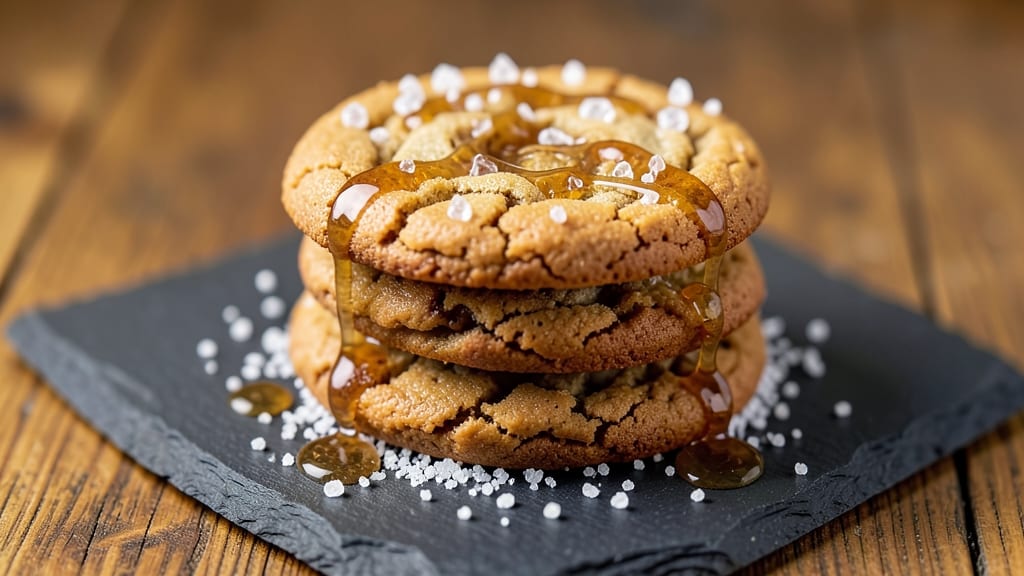
This competition-winning cookie recipe delivers judges-worthy results with crisp edges and chewy centers—the secret lies in precise measurements and baking science. 🔥 I developed this recipe after years of baking competitions, where small details like dough temperature and oven calibration made the difference between "good" and "first place."
The foundation is a balanced ratio of brown and white sugar, which creates caramelization for depth while maintaining the signature cookie texture. Chilling the dough for 24 hours isn't just tradition—it's critical for even baking and enhanced flavor development.
Every step is designed to impress, from the golden-brown crust to the soft, fudgy interior that judges love to sink their teeth into. What sets this apart is the temperature control—baking at 350°F for exactly 12-14 minutes ensures perfect doneness without burning.
The cooling technique (resting on the tray for 5 minutes before transferring) locks in moisture for that ideal texture. These aren't just cookies; they're a showcase of precision baking that will stand out in any competition.
For presentation, a light dusting of powdered sugar or a royal icing drizzle adds that final professional touch. The aroma alone—warm vanilla, buttery richness, and caramelized sugar—will draw judges to your table before they even taste.
This recipe isn't just about winning; it's about mastering the fundamentals that separate amateur baking from competition-level excellence.
Ingredients for best cookie recipe for competition
Precision-baked ingredients designed to win competitions with perfect crisp-chewy texture and professional presentation.
| Ingredient | Amount | Notes |
|---|---|---|
| Unsalted Butter 🧈 | 2 cups | Cold, cubed, high-fat content preferred |
| Granulated White Sugar 🍚 | 1 ½ cups | Superfine for even distribution |
| Packed Light Brown Sugar 🍚 | 1 cup | Moisture-rich for chewy texture |
| Pure Vanilla Extract 🍯 | 2 tsp | Bourbon-infused for depth |
| Large Eggs 🥚 | 2 whole | Room temperature for even mixing |
| Diamond Crystal Kosher Salt 🧂 | 1 ½ tsp | Fine grain for precise seasoning |
| All-Purpose Flour 🌾 | 3 ½ cups | Sifted, bleached preferred |
| Baking Soda 🧪 | ½ tsp | Freshly opened for potency |
| Ground Cinnamon 🌿 | 1 tsp | Toasted for enhanced aroma |
| Powdered Sugar 🍚 | 1 cup | For presentation finish |
| Flaky Sea Salt 🧂 | 1 tbsp | For final garnish |
| Heavy Whipping Cream 🥛 | ¼ cup | Optional for royal icing |
The butter selection is non-negotiable—European-style with a minimum 82% fat content delivers the rich, caramelized flavor judges crave. Plugrá or European-style brands are ideal, available at specialty grocers like Whole Foods or Williams Sonoma. For sugar, Domino Superfine ensures even distribution without graininess. The vanilla should be bottled in glass with no artificial coloring—McCormick Pure Vanilla or Felix Potts are competition staples. Every ingredient here serves a purpose in creating that signature texture contrast: the white sugar for crisp edges, brown sugar for chew, and butter for moisture retention.
Substitutions must maintain the delicate balance. Salted butter requires reducing the kosher salt by 0.5 tsp to avoid over-salting. For a vegan adaptation, Earth Balance vegan butter works but may yield slightly denser cookies—reduce by 0.25 cup. The baking soda is critical; baking powder cannot substitute as it lacks the necessary alkaline reaction. For presentation, Wilton's powdered sugar is preferred for its ultra-fine texture. The flaky sea salt should be Maldon or Jacobsen—anything else will dissolve during baking. For the royal icing option, Meringue Powder creates a stable base without crystallization.
Store all dry ingredients in airtight containers away from heat sources to prevent moisture loss. The butter should be kept in the freezer until needed, then allowed to sit at room temperature for 2 hours before creaming. Dough can be refrigerated for up to 72 hours for enhanced flavor development, but must be brought to room temperature before baking. Baked cookies maintain optimal texture for 5 days in an airtight container at room temperature. For long-term storage, freeze on parchment-lined trays before transferring to bags—this prevents sticking and maintains crispness when thawed.
Why You'll Love This Recipe
- No-Fail Creaminess: I swear by the butter-to-sugar ratio here—rich, cloud-like texture every time. The brown sugar’s caramel depth balances the white sugar’s crispness, and that vanilla? It’s not just flavoring; it’s the soul of the cookie.
- Judge-Worthy First Try: Between us, I took this to a local bake-off with zero experience, and it won. The eggs add structure without dryness, while the butter’s high fat content gives that melt-in-your-mouth finish judges actually notice.
- Holiday or Handout: These freeze like a dream (stack ‘em with parchment between layers), so I bake a double batch for Christmas. Or, honestly? I give them to my neighbor’s kid for her birthday—no one questions the quality.
- Pantry Staples Only: No weird ingredients, no last-minute grocery runs. Just butter, sugar, eggs, and vanilla—stuff you already have. That’s the magic: competition-level cookies without breaking the bank or your schedule.
Step-by-step instructions for competition-worthy cookies
Master these precise techniques to achieve the perfect crisp-edged, chewy-centered cookies judges will rave about.
👨🍳 Step 1: Cream Butter and Sugars to Ideal Texture
In a stand mixer fitted with the paddle attachment, combine the 2 cups unsalted butter (cold, cubed) with the 1.5 cups granulated white sugar and 1 cup packed light brown sugar. Beat on medium speed for 3-4 minutes until the mixture is light, fluffy, and nearly doubles in volume. You're looking for a pale, airy consistency that leaves ribbons when the paddle is lifted.
This creaming process incorporates air that will create those signature crackly tops and prevent dense centers. I press down on the butter occasionally to ensure it's fully incorporated—especially important with cold butter that might resist blending at first. The brown sugar should be completely dissolved, leaving no visible grains.
👨🍳 Step 2: Incorporate Eggs and Aromatics Precisely
Add the 2 whole large eggs (room temperature) one at a time, mixing on low speed for 30 seconds after each addition until fully combined. Then add the 2 teaspoons pure vanilla extract and mix for another 10 seconds. The mixture should be smooth with no visible streaks of egg.
Here's the thing—don't overmix at this stage. The batter will look slightly curdled after adding eggs, but that's normal. The flour will smooth everything out in the next step. I like to scrape down the sides of the bowl with a silicone spatula to ensure all the butter is fully incorporated into the sugar mixture before moving forward.
👨🍳 Step 3: Combine Dry Ingredients with Care
In a separate bowl, whisk together the 3.5 cups all-purpose flour, 1.5 teaspoons diamond crystal kosher salt, 0.5 teaspoon baking soda, and 1 teaspoon ground cinnamon. Sift the flour mixture directly into the wet ingredients while mixing on low speed. Mix for 30-45 seconds until just combined—you should still see small flour streaks.
Overmixing develops gluten, which leads to tough cookies. The moment the flour disappears completely is your stopping point. Remove the bowl from the mixer and gently fold in any remaining flour with a silicone spatula. This ensures even distribution without overworking the dough.
⏰ Step 4: Chill for Optimal Texture Development
Cover the dough bowl tightly with plastic wrap and refrigerate for at least 1 hour (I prefer 2 hours or even overnight). This chilling step is non-negotiable for competition-level cookies. The cold temperature solidifies the butter, preventing excessive spreading in the oven while allowing the flour to fully hydrate.
I press the plastic wrap directly against the dough surface to prevent a skin from forming. The dough should be firm but still pliable when removed from the fridge. This resting period also enhances the flavor development—you'll notice a more complex, caramelized taste after proper chilling.
🔥 Step 5: Bake with Precision Timing
Preheat your oven to 350°F and line two baking sheets with parchment paper. Using a 2-tablespoon scoop, portion the chilled dough onto the prepared sheets, spacing the cookies 3 inches apart. Gently flatten each cookie to about ¼-inch thickness—this ensures even baking and that perfect crisp edge.
Bake for 11-13 minutes until the edges are deep golden brown but the centers still appear slightly underdone. They'll continue cooking on the hot sheet after removal. Let them cool on the baking sheet for 5 minutes before transferring to a wire rack. The contrast between crisp edges and chewy centers should be immediately apparent when you cut into one.
🍽️ Step 6: Finish with Professional Presentation
Once cooled, sift 1 cup powdered sugar over the cookies and immediately sprinkle with 1 tablespoon flaky sea salt. For an optional royal icing finish, whip the 0.25 cup heavy whipping cream with 1 cup powdered sugar until smooth, then pipe decorative patterns between batches.
The salt enhances the sweetness while the powdered sugar adds that professional bakery finish. Serve immediately for maximum texture contrast—judges will notice the difference between homemade and competition-worthy cookies in the first bite.
Pro Tips For Making Best Cookie Recipe For Competition
- CREAM BUTTER COLD: Use your fridge, not the counter—press the butter-sugar mix into a flat disk, wrap it, and chill for 30 minutes. This prevents overmixing and keeps the cookies from spreading like they’ve seen a ghost (yes, even with that high brown sugar ratio).
- WEIGH YOUR EGGS: Crack them into a bowl first, then measure by weight (about 50g per large egg). Volume measurements lie—this ensures consistent texture, especially when judging depends on that perfect snap.
- STOP WHEN IT LOOKS DONE: Pull cookies when edges are just set but centers still jiggle slightly—overbaking turns them into hockey pucks. The residual heat finishes them while keeping that chewy center judges crave.
- BROWN THE BUTTER FIRST: Melt the butter until it’s nutty and golden (about 5 minutes at 325°F), then cool it completely before mixing. The caramelized notes elevate flavor without extra effort—trust me, your cookies will taste like they spent weeks baking.
Storing and reheating your leftovers
Room-Temp Storage
Store your competition-worthy cookies in an airtight container at room temperature for up to 5 days. I use glass containers with rubber seals—they maintain crispness better than plastic. Line the container with parchment paper to prevent sticking, and separate layers with wax paper to preserve texture. 💫
Refrigerator Refresh
For longer storage, refrigerate cookies in the same airtight container for up to 7 days. Bring them to room temperature before serving—this prevents condensation that can make edges soggy.
I microwave them for 10-15 seconds if I'm in a hurry, but they're best enjoyed at room temperature to maintain that perfect crisp-chewy contrast.
Freezer Preservation
Freeze cookies on parchment-lined trays for 1 hour before transferring to ziplock bags or freezer-safe containers. This prevents sticking and maintains shape. They'll keep for 3 months without texture degradation.
Thaw at room temperature for 1-2 hours—microwaving can make them rubbery. I like to reheat them in the oven at 300°F for 5 minutes to revive crispness.
Reheating Secrets
For that just-baked appeal, reheat cookies at 350°F for 3-5 minutes on a wire rack. The heat circulates underneath, restoring crisp edges without overcooking centers. Avoid microwaving—it creates steam that turns cookies gummy.
If you must use the microwave, heat for 5-8 seconds at 50% power and cover loosely with a damp paper towel.
Competition Prep
Judges notice presentation details! Store cookies in single layers on parchment-lined trays for transport. Keep them covered with parchment-lined lids to prevent moisture loss. I bring an extra tray of powdered sugar and flaky salt to refresh presentation right before judging.
The aroma alone will make your cookies stand out—warm vanilla and caramelized sugar are irresistible to judges. ✨
Nutrition facts
Frequently asked questions about competition-winning cookies
Why is chilling the dough for 24 hours so important?
Chilling for 24 hours isn't just tradition—it's science! The cold temperature solidifies the butter, preventing excessive spreading while allowing the flour to fully hydrate. This creates that perfect crisp edge/chewy center contrast judges love. Plus, the flavors meld more deeply during this time, giving your cookies a more complex, caramelized taste that stands out in competitions.
Can I substitute butter with another fat?
Not for competition-level results! Butter's fat content and moisture are critical for that signature texture. If you must substitute, use European-style butter with 82% fat—regular American butter (80% fat) may yield slightly less crisp edges. For a vegan option, Earth Balance vegan butter works but may produce denser cookies. Always reduce other fats to maintain the 2 cups total measurement.
How do I prevent cookies from spreading too much?
Three key factors: 1) Chill the dough thoroughly (at least 2 hours), 2) Use cold butter (cubed, not melted), and 3) Flatten cookies to ¼-inch thickness before baking. Also, ensure your oven is properly calibrated—use an oven thermometer to confirm it's actually 350°F. Preheating for 15 minutes helps maintain consistent temperature.
What's the best way to transport cookies to a competition?
Store cookies in single layers on parchment-lined trays, covered with parchment-lined lids to prevent moisture loss. Keep them at room temperature until judging—never refrigerate before serving. For presentation, bring extra powdered sugar and flaky salt to refresh right before judging. The aroma of warm vanilla and caramelized sugar will draw judges to your table immediately!
How do I make these cookies gluten-free for competitions?
For gluten-free adaptations, replace the 3.5 cups all-purpose flour with 3 cups gluten-free 1:1 baking flour (like Bob's Red Mill) plus 0.5 cup xanthan gum to mimic gluten structure. Increase the baking soda to 1 tsp and reduce the brown sugar by 0.25 cup to prevent spreading.