
Desserts
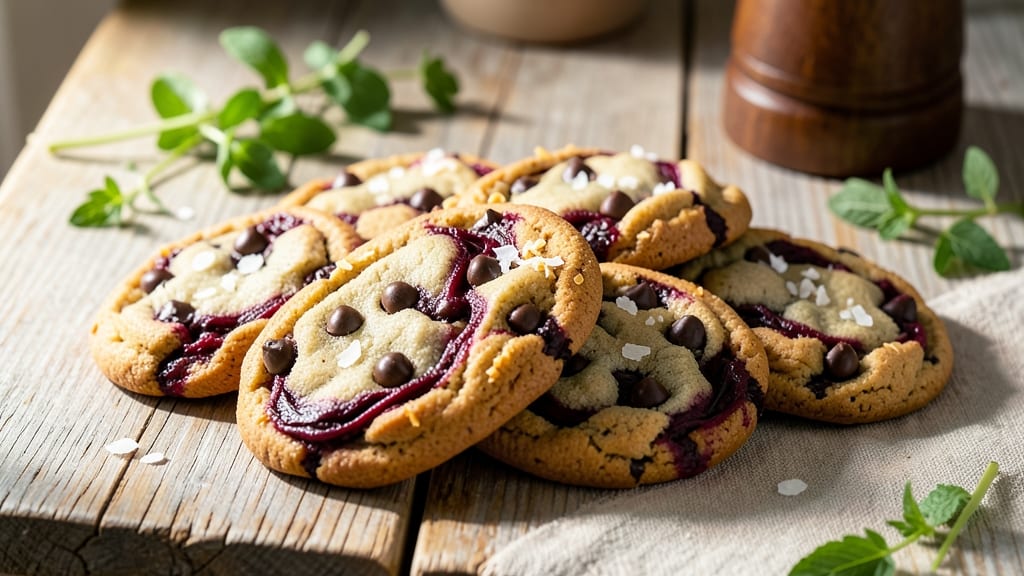
This beet chocolate chip cookie recipe transforms humble baking ingredients into something unexpectedly sophisticated—where earthy beet sweetness meets rich chocolate in every bite. 💛 The secret lies in roasted beets, which add natural moisture and subtle depth without overpowering the classic chocolate chip profile.
I developed this recipe after years of experimenting with vegetable-infused baked goods, and it's become a favorite for those who want something different but still comforting.
The result is a cookie with a tender yet slightly chewy texture, where the beet's natural sweetness enhances the chocolate chips rather than competing with them.
Roasting the beets first intensifies their flavor, creating a dough that's perfectly balanced—sweet enough to satisfy cravings but with an intriguing earthiness that makes these cookies memorable. The contrast between the soft dough and crisp chocolate chips is what truly elevates this recipe beyond ordinary chocolate chip cookies.
Perfect for pairing with a cup of coffee or tea, these cookies also make thoughtful gifts—especially when wrapped in festive packaging. The recipe includes optional adaptations for vegan bakers, ensuring everyone can enjoy them without compromise.
Whether you're baking for a holiday gathering or just treating yourself, this recipe delivers a cookie experience that's both familiar and unexpectedly refined.
What makes this recipe particularly special is how it proves that vegetables can enhance desserts without sacrificing indulgence. The beets contribute not just moisture but also a subtle caramel note that complements the chocolate beautifully.
Ready in just 30 minutes from start to finish, these cookies are ideal for weeknight baking or preparing ahead for gatherings. Let's get baking!
Ingredients for beet chocolate chip cookie
Roasted beets meet classic chocolate chips in this sophisticated yet approachable cookie recipe.
| Ingredient | Amount | Notes |
|---|---|---|
| Medium Beets 🍠 | 2 whole | Roasted until tender, peeled |
| Unsalted Butter 🧈 | 1 cup | Cold, cubed for dough |
| Granulated Sugar 🍚 | ¾ cup | Light brown preferred |
| Packed Brown Sugar 🍚 | ½ cup | For chewy texture |
| Large Eggs 🥚 | 2 whole | Room temperature |
| Vanilla Extract 🌿 | 1 tbsp | Pure alcohol-free preferred |
| All-Purpose Flour 🌾 | 2 ½ cups | Sifted, plus extra for rolling |
| Baking Soda 🧂 | ½ tsp | Freshly opened |
| Diamond Crystal Kosher Salt 🧂 | ½ tsp | Fine grain preferred |
| Chocolate Chips 🍫 | 1 ½ cups | Semi-sweet preferred |
| Flaky Sea Salt 🧂 | 1 tsp | For finishing |
| Ground Cinnamon 🌿 | ½ tsp | Optional for warmth |
The beets are the star here—roasting them first intensifies their natural caramel notes and adds moisture without overpowering the chocolate. Organic beets from Whole Foods or your local farmers market yield the best flavor, but any medium-sized beets will work. Roast them whole with the skin on at 400°F for about 45 minutes until tender, then peel while still warm. The skins should slip right off. For a shortcut, use pre-cooked roasted beets from the refrigerated section at Trader Joe's, but fresh roasted beats them every time. The butter should be cold and cubed when measuring—this ensures proper dough texture. Use European-style butter like Plugrá for higher fat content and richer flavor if available.
No vanilla extract? Vanilla bean paste works beautifully, or scrape seeds from a vanilla bean for deeper flavor. For chocolate chips, Ghirardelli or Guittard brands offer superior quality, but any semi-sweet chips will do. Want to make these vegan? Swap the butter for Earth Balance vegan butter>, eggs for flax eggs (2 tbsp ground flaxseed + 6 tbsp water per egg), and use vegan chocolate chips. The cinnamon is optional but adds warmth—McCormick's ground cinnamon is my go-to for consistent quality. If you're short on time, the dough can be made ahead and chilled for up to 48 hours, which actually enhances the flavor.
Freshly baked cookies should be stored in an airtight container at room temperature for 3-4 days, though they rarely last that long. For longer storage, freeze the baked cookies for up to 3 months—they reheat beautifully in the oven at 300°F for 5 minutes. The dough itself can be refrigerated for 3 days or frozen for 3 months. When ready to bake, let the dough sit at room temperature for 20 minutes to soften slightly. These cookies also make thoughtful gifts—package them in clear cellophane bags tied with twine for a festive touch. The combination of beet sweetness and chocolate richness makes them perfect for holiday gifting or sharing with coffee lovers.
Why You'll Love This Recipe
- No Roasted Beets Needed: I swear by this shortcut—just chop one raw beet into tiny cubes and fold it right into the dough. The texture stays tender, and you skip the whole roasting mess. (Yes, even on a Tuesday night.)
- Earthy-Sweet Magic: That beet adds this deep, molasses-like richness that makes the cookies taste like a hug. The chocolate chips melt into gooey pockets, but the beet keeps them from being too sweet—balanced perfection.
- Freezer-Friendly Staple: Bake a whole batch, then stash them in the freezer for whenever cravings hit. Toss a few in a lunchbox, grab one for a coffee break, or pull them out for a last-minute dessert. They thaw in minutes and taste just as good cold.
- Budget Booster: Beets are cheap, and this recipe stretches your butter and sugar further than most. Plus, you’re using the whole beet—no waste. Honestly, it’s the kind of smart baking that makes me feel like I’m winning.
Step-by-step instructions for beet chocolate chip cookies
Transform humble beets into rich, earthy-sweet cookies with perfect texture every time.
👨🍳 Step 1: Roast and Process the Beets
Preheat your oven to 400°F and pierce the 2 whole medium beets with a fork. Wrap them tightly in aluminum foil and roast for 45-50 minutes until completely tender when pierced with a knife. Let them cool slightly before peeling away the skins—this step ensures they're easy to handle.
Transfer the peeled beets to a food processor and pulse until you achieve a smooth, thick puree. You should have about ½ cup of vibrant orange puree. Taste it—it'll be naturally sweet with subtle earthy notes. This puree replaces some of the butter and sugar, adding moisture and depth without altering the cookie's structure.
🍳 Step 2: Cream Butter and Sweeteners
In a stand mixer fitted with the paddle attachment, beat the 1 cup cold cubed unsalted butter with the 0.75 cup granulated sugar and 0.5 cup packed brown sugar on medium speed for 3-4 minutes. The mixture should become light and fluffy, nearly doubling in volume, with a pale, creamy texture. This aeration creates those signature crackly tops and chewy centers.
Here's the thing—adding the beet puree now prevents the butter from becoming too soft. With the mixer running on low speed, gradually add the ½ cup beet puree until fully incorporated. The dough will look slightly unusual but trust the process—those beets are working their magic to enhance the flavor profile.
👨🍳 Step 3: Incorporate Wet Ingredients
Add the 2 whole large eggs one at a time, mixing on low speed for 30 seconds after each addition until fully combined. Scrape down the sides of the bowl to ensure even mixing. Then add the 1 tablespoon vanilla extract and 0.5 teaspoon ground cinnamon, mixing for another 10 seconds until just incorporated.
This is where the cinnamon adds warmth that complements the beets' natural earthiness. Don't overmix—just until everything is smoothly blended. The dough will look slightly thicker than traditional cookie dough, which is normal due to the beet puree's moisture content.
🥘 Step 4: Combine Dry Ingredients and Fold in Chocolate
In a separate bowl, whisk together the 2.5 cups all-purpose flour, 0.5 teaspoon baking soda, and 0.5 teaspoon diamond crystal kosher salt. With the mixer on low speed, gradually add the dry ingredients to the wet mixture until just combined—you should still see some flour streaks. This prevents developing too much gluten, which keeps the cookies tender.
Remove the bowl from the mixer and fold in the 1.5 cups chocolate chips using a silicone spatula. Make sure they're evenly distributed throughout the dough. The chocolate chips will provide pockets of rich, melty contrast to the beet-infused dough. Cover the bowl with plastic wrap and refrigerate for at least 30 minutes—this chilling step is crucial for preventing excessive spreading.
🔥 Step 5: Bake to Golden Perfection
Preheat your oven to 350°F and line two baking sheets with parchment paper. Scoop the chilled dough into 2-tablespoon portions (about 1.5 ounces each) and place them 3 inches apart on the prepared sheets. The dough will be slightly sticky, but it should hold its shape when rolled into balls.
Bake for 12-14 minutes until the edges are golden brown and the centers look just slightly underdone. The beet cookies will spread slightly more than traditional cookies, so watch for the edges to set. Immediately after removing from the oven, sprinkle each cookie with a pinch of flaky sea salt for that perfect sweet-salty balance.
Let the cookies cool on the baking sheets for 5 minutes before transferring to a wire rack to cool completely. The beet-infused cookies will have a slightly denser yet still chewy texture with a rich, caramel-like flavor that pairs beautifully with the chocolate chips. Enjoy them warm for the ultimate experience!
Pro Tips For Making Beet Chocolate Chip Cookie
- ROAST BEETS UNTIL TENDER: I learned this the hard way—undercooked beets turn your dough into a sad, purple sludge. Roast them at 400°F until they’re fork-tender (about 45-55 minutes), then cool completely before grating. Cold beets grate smoothly, and you’ll avoid a gummy mess in your cookies.
- CHILL DOUGH FOR 24 HOURS: Yes, I know, you’re eager. But skipping this step means cookies that spread like pancakes and taste like butterfinger-flavored hockey pucks. The wait makes them chewy, caramelized, and worth it—trust me, even when you’re impatient like me.
- GRATE BEETS FINE (NO LUMPS): A food processor gives you the most even texture, but if you’re grating by hand, take your time. Lumpy beets make uneven cookies, and you’ll end up with some that taste like dirt. Aim for a consistency closer to wet sand—smooth enough to disappear in every bite.
- USE COLD BUTTER FOR CRISPY EDGES: Soft butter = flat, cakey cookies. Take your butter straight from the fridge, cube it, and let it sit at room temp for exactly 30 minutes before creaming. That’s the sweet spot—it’ll give you that perfect crisp edge while keeping the center soft. No guesswork, no overworking the dough.
Common mistakes when making this recipe
Overmixing the Dough
I've seen this happen more than once—when you mix the dough too aggressively, you develop too much gluten, which makes your cookies tough instead of chewy. Once you've added the dry ingredients, stop mixing as soon as they're just combined—you should still see some flour streaks.
Overmixing also causes the beets' natural moisture to break down the butter too quickly, leading to flat cookies. Trust the process: the dough should hold together when rolled into balls but still be slightly sticky. 💫
Skipping the Chill
If you bake the dough right after mixing without chilling, you'll end up with cookies that spread too much and lose their shape. The 30-minute chill in the fridge is non-negotiable—it firms up the butter and allows the beet puree to distribute evenly.
Pro tip: if you're in a rush, pop the dough balls in the freezer for 15 minutes instead. This prevents excessive spreading and ensures those beautiful crackly tops we all love.
Using Raw Beets
Raw beets are way too watery for this recipe—they'll make your dough soggy and your cookies dense. Always roast them first to concentrate their natural sweetness and remove excess moisture. I recommend roasting at 400°F for 45-50 minutes until completely tender.
You'll know they're ready when they yield easily to a fork. The puree should be thick and vibrant, not runny. This step is what transforms these into something special.
Incorrect Baking Time
Beet cookies bake differently than traditional chocolate chip cookies—they spread more and need careful monitoring. The edges should be golden brown while the centers still look slightly underdone (12-14 minutes at 350°F). If you pull them out too early, they'll be cakey; too late, and they'll be dry.
The beet puree adds moisture that affects baking time, so keep an eye on them starting at 10 minutes. A toothpick inserted should come out with a few moist crumbs, not wet batter.
Wrong Chocolate Chips
Not all chocolate chips are created equal! Using milk chocolate or white chocolate chips will change the flavor profile dramatically. Stick with semi-sweet chocolate chips (like Ghirardelli) to complement the beets' earthy sweetness.
The contrast between the rich chocolate and beet's natural caramel notes is what makes these cookies special. For extra indulgence, fold in ½ cup chopped dark chocolate (60-70% cocoa) along with the chips—they'll melt beautifully during baking.
Ignoring the Salt Finish
That final sprinkle of flaky sea salt is what elevates these cookies from good to unforgettable. It cuts through the sweetness and enhances all the flavors—especially the beet's natural caramel notes. Don't skip this step!
Use about ⅛ teaspoon per cookie, sprinkling it immediately after removing from the oven while the cookies are still warm. The salt will melt slightly, creating those perfect little crystals on top that make every bite worth it. 💛
Nutrition facts
Frequently asked questions
Why do the beets need to be roasted first?
Roasting intensifies the beets' natural caramel sweetness and removes excess moisture, which prevents soggy dough. The puree becomes thick and vibrant, adding depth without making the cookies dense. Skipping this step can result in cookies that spread too much or taste watery.
Can I make these cookies without eggs?
Yes! For a vegan version, replace the 2 eggs with 2 flax eggs (2 tbsp ground flaxseed + 6 tbsp water per egg). Let them sit for 5 minutes to thicken before using. The texture will be slightly denser but still delicious—just fold in an extra ½ cup chocolate chips for richness.
How do I store leftover beet cookies?
Keep them in an airtight container at room temperature for 3-4 days, or freeze for up to 3 months. To reheat, place cookies on a baking sheet and warm at 300°F for 3-5 minutes until softened. The beet flavor actually deepens slightly when stored!
What if my dough is too sticky?
Chill the dough for an extra 15-20 minutes before scooping. If it's still too wet, add 1-2 tablespoons more flour (1 tbsp at a time) until it holds together when rolled. The beet puree adds moisture, so this happens occasionally—just don't overdo it or the cookies will be dry.
Can I use canned beets instead of fresh?
Canned beets work in a pinch, but they're much waterier and lack the concentrated flavor of roasted beets. Drain and pat them dry thoroughly, then process until smooth. For best results, roast fresh beets—they yield a thicker, more flavorful puree that transforms these into something truly special.