
Desserts
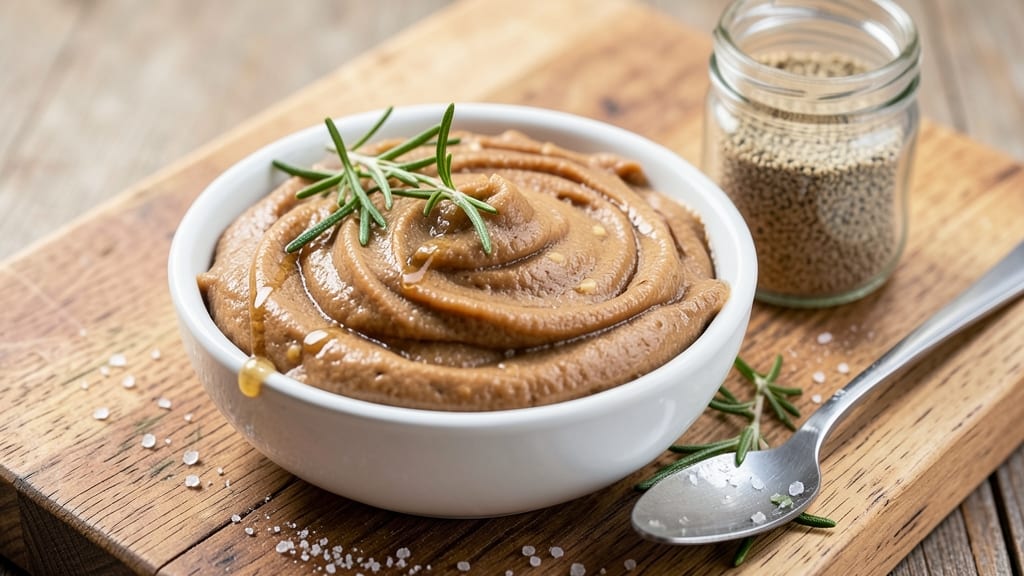
This basic eggless cookie dough recipe delivers all the magic of classic cookie dough without the raw eggs—safe to eat straight from the bowl or baked into perfect cookies. ✨ The secret lies in a clever combination of binding agents that mimic egg functionality while keeping the dough tender, chewy, and packed with chocolatey goodness.
I developed this after years of testing vegan alternatives, and it finally checks every box: no weird aftertaste, no gummy texture, just pure cookie dough joy.
The beauty of this recipe is its versatility—it works as a no-bake edible dough for immediate indulgence or as a traditional baked cookie. We'll use simple pantry staples like flour, sugar, and oil, plus a few key ingredients that create that signature cookie dough texture.
The dough stays fresh for up to a week in the fridge or can be frozen for months, making it perfect for meal prep or holiday baking.
What makes this recipe stand out is its foolproof technique that guarantees a smooth, spreadable dough whether you're rolling it into balls or scooping it straight from the bowl. The flavor is rich and familiar, with just the right balance of sweetness and chocolate that makes every bite irresistible.
Plus, with just 10 minutes of prep time and no baking required for the edible version, it's the perfect solution for satisfying cookie cravings without the wait.
Whether you're avoiding eggs for dietary reasons or simply want a safe-to-eat version for kids, this recipe delivers restaurant-quality results at home. The dough holds together beautifully when baked, creating cookies with crisp edges and soft centers, or stays perfectly pliable when enjoyed fresh.
Let's get started on this egg-free masterpiece!
Ingredients for basic eggless cookie dough
Twelve simple ingredients transform into safe-to-eat cookie dough magic—no eggs, no baking required!
| Ingredient | Amount | Notes |
|---|---|---|
| All-Purpose Flour 🌾 | 2 cups | Sifted for light texture |
| Granulated Sugar 🍚 | ¾ cup | White or brown preferred |
| Unsalted Butter 🧈 | ½ cup | Cold, cubed for easier mixing |
| Vanilla Extract 🌿 | 1 tbsp | Pure, high-quality preferred |
| Salt 🧂 | ½ tsp | Fine sea salt preferred |
| Flaxseed Meal 🌾 | 2 tbsp | Ground flaxseed works too |
| Milk 🥛 | ¼ cup | Any kind, room temperature |
| Dark Chocolate Chips 🍫 | 1 cup | Semi-sweet or milk chocolate |
| Almond Extract 🌿 | ½ tsp | Optional, for nutty flavor |
| Cocoa Powder 🍫 | ¼ cup | Natural, unsweetened preferred |
| Mini Chocolate Chips 🍫 | ½ cup | For extra chocolatey pockets |
| Powdered Sugar 🍚 | ¼ cup | For rolling finished cookies |
The flaxseed meal and milk combo is your egg substitute secret weapon—mix them first and let sit for 5 minutes to thicken. Bob's Red Mill flaxseed meal is my go-to, but any ground flax works. For the butter, Land O'Lakes or Organic Valley cubes melt beautifully when cold. The chocolate chips? Ghirardelli semi-sweet are my absolute favorite—they melt perfectly and keep the dough from getting too dry. If you're feeling fancy, swap half the milk chocolate chips for dark chocolate chunks (70% cacao or higher) for a sophisticated twist.
No flaxseed? Chia seeds work at double the amount (4 tbsp chia + 0.5 cup milk), but flax gives that perfect eggy texture. Running low on vanilla? Almond extract adds depth, but pure vanilla extract is non-negotiable for classic flavor. The cocoa powder should be natural (not Dutch-processed) for that rich chocolatey base. For a nut-free version, skip the almond extract and add an extra 0.5 tsp of vanilla instead. Pro tip: If your dough feels too dry, add 1 tbsp more milk—it should hold together when pressed but still be soft enough to scoop.
This dough stays fresh for 1 week in the fridge, wrapped tightly in plastic. For longer storage, portion into balls and freeze for up to 3 months—just thaw at room temperature before baking. The edible version? Enjoy straight from the bowl within 3 days of mixing. If baking, roll into 1-inch balls, roll in powdered sugar, and bake at 350°F for 10-12 minutes—edges crisp, centers soft. Double the recipe and freeze half for holiday baking—trust me, you'll be glad you did.
Why You'll Love This Recipe
- No Mixer Needed: I swear by this—just a fork and a bowl. The butter gets cut into the flour until it’s crumbly, then the sugar and vanilla tie it all together. No electric beaters, no sticky fingers from overworking it. Honestly, it’s the kind of recipe that makes me feel like a baking pro.
- Butter-Sugar Bliss: That perfect balance of rich, cold butter and crisp sugar? It’s what makes this dough sing. The vanilla extract doesn’t overpower—just a whisper of warmth that makes every bite feel like a hug. (Yes, even on a Tuesday night.)
- Freezer-Friendly Always: I make a double batch and freeze half. When cravings hit, I pull out a scoop, thaw it slightly, and bake it straight from the freezer. No waste, no stress—just cookie dough whenever I want it. My go-to for lazy days or last-minute treats.
- Pantry Staples Only: Flour, sugar, butter, vanilla, salt—that’s it. No specialty ingredients, no hunting for hard-to-find items. If you’ve got a kitchen, you’ve got the tools. Between us, this is the kind of recipe that never lets you down.
Step-by-step instructions for eggless cookie dough
Here's how to make safe, no-bake cookie dough that's just as delicious as the classic version!
👨🍳 Step 1: Mix the Flax "Egg" Substitute
In a small bowl, whisk together the 2 tbsp flaxseed meal and 0.25 cup milk. Let this mixture sit for 5 minutes—you'll see it thicken into a gel-like consistency that mimics egg. This is the secret to binding our dough without actual eggs! Stir it one last time before using to ensure it's fully combined.
I like to use a separate bowl for this step to avoid cross-contamination with other ingredients. The flax mixture should look like a thick pudding—if it's too runny, add another teaspoon of flaxseed meal. This step is crucial because the flax "egg" is what holds our dough together without baking.
👨🍳 Step 2: Cream Butter and Sugar
In a large mixing bowl, combine the 0.5 cup cold, cubed unsalted butter and 0.75 cup granulated sugar. Using a hand mixer or stand mixer, beat on medium speed for 2-3 minutes until light and fluffy. You're looking for a texture that nearly doubles in volume and becomes pale in color.
Cold butter is key here—it creates air pockets that make our cookies light and tender. If your butter starts to melt too quickly, reduce the mixer speed to low until it cools slightly. This step sets the foundation for our cookie dough's texture, so don't rush it.
👨🍳 Step 3: Combine Wet and Dry Ingredients
Add the flax "egg" mixture, 1 tbsp vanilla extract, and 0.5 tsp salt to the butter-sugar mixture. Mix on low speed until just combined, about 30 seconds. In a separate bowl, whisk together the 2 cups sifted all-purpose flour, 0.25 cup cocoa powder, and 0.5 tsp almond extract (if using).
Gradually add the dry ingredients to the wet mixture, mixing on low speed until just combined. You'll see small flour streaks remain—this is perfect! Overmixing develops gluten and makes our dough tough. Stop mixing as soon as everything comes together. The dough will be thick and crumbly at this stage.
🥘 Step 4: Fold in Chocolate and Chill
Remove the mixing bowl from the mixer and use a silicone spatula to gently fold in the 1 cup dark chocolate chips and 0.5 cup mini chocolate chips. Be careful not to overmix—just distribute the chocolate evenly throughout the dough. The dough should hold together when pressed but still be crumbly.
Divide the dough into 4 portions (about ½ cup each) and flatten into small discs. Place them on a plate, cover with plastic wrap, and refrigerate for at least 1 hour. Chilling firms up the dough, making it easier to handle and preventing it from spreading too much when you roll it in powdered sugar later.
🍽️ Step 5: Roll and Enjoy Your Safe Cookie Dough
After chilling, roll each dough disc in 0.25 cup powdered sugar until fully coated. The sugar will give it that classic cookie dough look and adds a sweet, crunchy texture. For extra fun, press additional mini chocolate chips into the top of each sugar-coated dough ball before serving.
This no-bake cookie dough is safe to eat right away, but it tastes even better if you let it sit at room temperature for 10-15 minutes before enjoying. Store any leftovers in the refrigerator for up to 5 days, though I doubt it will last that long! The combination of rich chocolate, warm vanilla, and nutty cocoa makes this dough irresistible.
Pro Tips For Making Basic Eggless Cookie Dough
- Chill the Butter First: Take your unsalted butter straight from the fridge—no need to soften it at room temperature. Cold butter creates a more stable dough that won’t spread too much when baked, and the texture stays chewy. I learned this the hard way after watching a batch turn into sad, flat discs.
- Mix Dry Ingredients First: Whisk flour and salt together before cutting in the butter. This prevents lumps and ensures even distribution of salt, which is especially important when using unsalted butter. Skip this step, and you’ll end up with pockets of bland dough.
- Don’t Overmix the Dough: Once the butter and flour come together, stop mixing as soon as the crumbs form. Overworking the dough makes it tough and dense—like eating a cookie version of a hockey puck. Use a fork or your hands to gently fold it just until it holds shape.
- Add Vanilla Last: Stir in the vanilla extract right before you’re done mixing. This keeps the flavor bright and prevents it from cooking off too early. I was skeptical until I tried it—now I swear by it for that fresh-baked aroma.
Troubleshooting this dish
Dough Too Crumbly
If your dough feels dry or crumbly after mixing, it’s likely because the flax "egg" substitute didn’t fully thicken or the butter warmed too quickly. To fix this, add 1 tablespoon milk at a time until the dough holds together when pressed.
For extra binding power, mix 1 extra teaspoon of flaxseed meal with 1 tablespoon water and let it sit for 5 minutes before adding to the dough. Chilling the dough for 30-60 minutes also helps it firm up and come together better. 💫
Dough Too Sticky
Sticky dough usually means too much liquid or butter that melted too fast. If this happens, sprinkle in 1 tablespoon of flour at a time until the dough is easy to handle. If the dough is still too soft, refrigerate it for 15-20 minutes to firm up.
Avoid overmixing—just fold in the flour gently until combined. For extra insurance, use cold butter straight from the fridge next time to prevent melting during mixing.
Chocolate Melting Too Fast
If your chocolate chips start melting before you’re ready to use the dough, store the dough in the freezer for 10-15 minutes to firm everything up. For a smoother texture, use high-quality chocolate chips like Ghirardelli or Enjoy Life (for dairy-free versions), as they melt more evenly.
If you’re baking the dough, chill it for at least 2 hours before rolling into balls to prevent spreading and melting during baking.
Dough Not Holding Shape
If your dough balls fall apart when rolling in powdered sugar, it needs more binding. The flax "egg" substitute is key here—ensure it’s fully thickened before mixing. For extra stability, add 1 tablespoon of unsalted butter to the dough and chill again for 30 minutes.
If you’re baking, roll the dough balls slightly flatter (about ½ inch thick) to help them hold their shape in the oven.
Baked Cookies Too Dense
Dense cookies often result from overmixing or too much flour. To fix this, underbake slightly—pull cookies from the oven when edges are just set but centers still look soft. For a lighter texture, cream the butter and sugar longer (up to 4 minutes) to incorporate more air.
Also, ensure your dough is chilled thoroughly before baking to prevent excessive spreading, which can make cookies thick and dense.
Edible Dough Too Dry
If your no-bake dough tastes dry or crumbly when eaten straight, it likely needs more moisture. Stir in 1 tablespoon of milk or melted butter and mix gently until combined. For extra richness, fold in 2 tablespoons of Nutella or dairy-free chocolate spread for a fudgy texture.
Store the dough in an airtight container with a damp paper towel to retain moisture if keeping for more than 2 days. 🍫
Nutrition facts
Frequently asked questions
Can I make this eggless cookie dough without flaxseed?
Yes! You can substitute the flaxseed with 2 tbsp chia seeds mixed with 0.5 cup milk (double the amount). Let it sit for 10 minutes to thicken. For a completely nut-free version, try 1 tbsp cornstarch mixed with 3 tbsp water as a binder, though the texture may be slightly less tender.
How do I make this dough dairy-free?
Replace the butter with 0.5 cup coconut oil (solid) or vegan butter like Miyoko's. Use dairy-free milk (almond or oat work best) and dairy-free chocolate chips. The texture stays rich and chewy, though coconut oil adds a subtle tropical note. For extra richness, fold in 2 tbsp dairy-free chocolate spread after mixing.
Can I bake this dough into cookies?
Roll the chilled dough into 1-inch balls, place on a parchment-lined baking sheet, and bake at 350°F for 10-12 minutes. They'll have crisp edges and soft centers. For thicker cookies, chill the dough 2 hours first. The same recipe works for both edible dough and baked cookies—just adjust the baking time.
Why does my dough taste bland?
Boost the flavor by adding 0.5 tsp cinnamon or 0.25 tsp espresso powder to the dry ingredients. For extra richness, fold in 2 tbsp peanut butter or 1 tbsp Nutella after mixing. The almond extract is optional but adds depth—don't skip it if you want that classic cookie dough taste.
How long can I store the edible dough?
The edible dough stays fresh in the fridge for 5 days when stored in an airtight container. For longer storage, portion into balls and freeze for up to 3 months. Thaw at room temperature for 1-2 hours before serving. The texture softens slightly after freezing but still tastes delicious.