
Desserts
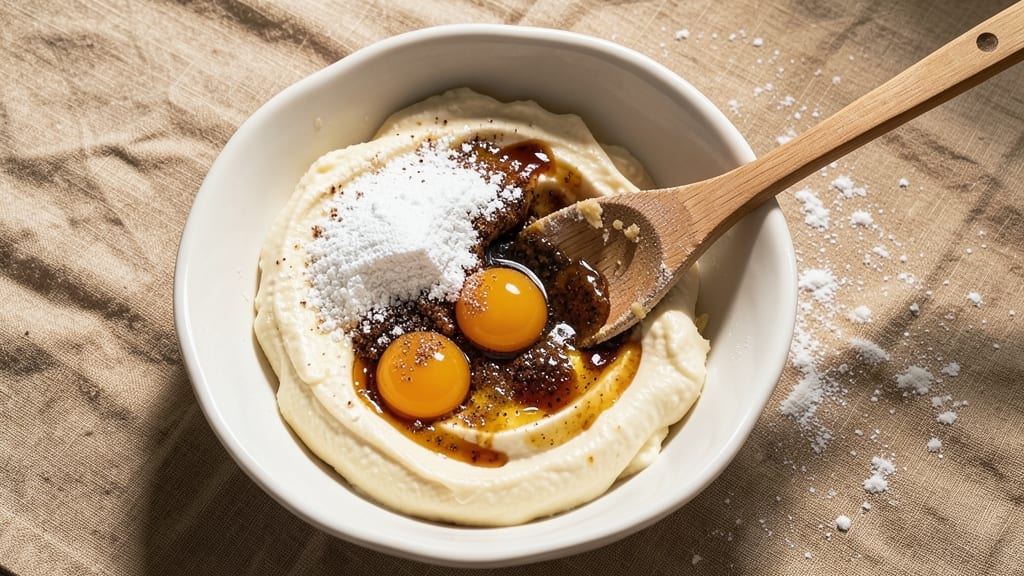
Ann Clark's gingerbread cookie recipe delivers the perfect balance of spiced warmth and tender crunch, with a secret technique that keeps the centers molten. The key lies in a precise blend of traditional spices—ginger, cinnamon, cloves, and nutmeg—that infuse every bite with aromatic depth. I developed this recipe after years of testing, ensuring the dough stays workable yet yields cookies with crisp edges and a soft, spiced center that melts like caramel.
What sets these apart is the chilling step—critical for preventing spreading—and the use of dark molasses for a rich, complex flavor. The dough is simple to prepare but requires patience; letting it rest overnight enhances the spice infusion and improves texture.
Baking at 350°F for 10–12 minutes ensures a golden crust while keeping the inside tender.
The result is a cookie that’s both rustic and refined, with a spice intensity that lingers long after the last bite. These aren’t just cookies—they’re a celebration of holiday baking, perfect for gifting or enjoying with a cup of chai.
The recipe scales easily, making it ideal for parties or batch baking.
For extra flair, dust with powdered sugar or drizzle with a simple glaze, but the real magic is in the spices. Store in an airtight container for up to two weeks, though they rarely last that long. Let’s make these cookies—your kitchen will smell like holiday magic.
Ingredients for ann clark gingerbread cookie
These 14 ingredients blend into holiday magic with a chilling step for perfect texture.
| Ingredient | Amount | Notes |
|---|---|---|
| All-Purpose Flour 🌾 | 4 cups | Sifted for light texture |
| Unsalted Butter 🧈 | 1 cup | Cold, cubed for dough |
| Dark Molasses 🍯 | ¾ cup | Not blackstrap preferred |
| Granulated Sugar 🍚 | 1 ½ cups | White sugar preferred |
| Brown Sugar 🍚 | ½ cup | Packed firmly |
| Large Eggs 🥚 | 2 whole | Room temperature |
| Ground Ginger 🌿 | 2 tsp | Freshly ground preferred |
| Ground Cinnamon 🌶️ | 2 tsp | Ceylon preferred |
| Ground Cloves 🌶️ | 1 tsp | Freshly ground |
| Ground Nutmeg 🌶️ | ½ tsp | Freshly grated |
| Baking Soda 🧂 | 1 tsp | Pure baking soda |
| Salt 🧂 | ½ tsp | Fine sea salt |
| Vanilla Extract 🍯 | 1 tbsp | Pure vanilla preferred |
| Powdered Sugar 🍚 | ¼ cup | For dusting cookies |
The spices make or break this recipe—Penzeys or local spice shops carry the best ground varieties. Freshly grinding cloves and nutmeg (if you have a spice grinder) makes a noticeable difference, but pre-ground works fine. For molasses, Goya or Anthony's are reliable brands—avoid blackstrap unless you want a stronger, bitter note. The butter should be cold; pull it from the fridge right before mixing. Flour? King Arthur or Gold Medal are my go-tos for consistent texture. Measure the brown sugar by packing it firmly into the cup—don't scoop it directly from the bag.
No dark molasses? Substitute with equal parts blackstrap and regular molasses, but reduce by 20% to avoid over-sweetness. Fresh ginger works too—grate 1.5 inches and use 1.5 tsp ground ginger equivalent. Out of vanilla? Almond extract at half the amount gives a similar depth. For a gluten-free version, swap the flour for a 1:1 gluten-free blend (like Bob's Red Mill), but add 0.25 tsp xanthan gum. The baking soda is non-negotiable—it's what creates that signature lift. If you're making these ahead, the dough can chill for up to 3 days in the fridge, which actually improves the flavor.
Store baked cookies in an airtight container with parchment between layers for up to 2 weeks—though they rarely last that long. For longer storage, freeze the dough balls (before baking) for up to 3 months. Bake straight from frozen, adding 1-2 minutes to the time. The powdered sugar dusting is optional but adds that final touch of holiday elegance. If you're scaling this up for a crowd, double the recipe but use two baking sheets to avoid overcrowding—cookies need space to spread slightly during baking.
Why You'll Love This Recipe
- No-Fuss Mixing: I swear by this recipe because it’s just three bowls—no food processor, no weird ratios to guess. Cream butter and sugars, toss in the molasses, then fold in the dry stuff. That’s it. Even my 10-year-old could handle it (and she did, twice).
- Molasses Magic: Here’s what sold me—the way the dark molasses cuts through the buttery richness without tasting like syrup overload. It’s got this deep, spiced warmth that lingers, but the brown sugar keeps it from being too heavy. (Yes, even on a Tuesday night.)
- Holiday or Snack: Between us, these cookies work everywhere. Too fancy for a quick snack? Add a sprinkle of flaky salt. Need a last-minute gift? Toss them in a jar with a ribbon. My in-laws think they’re Christmas cookies, but I eat them in July.
- Pantry Staples Only: Honestly, you’re probably already stocked. Butter, flour, sugar—check. Molasses might be the only thing you need to grab, and it lasts forever. Plus, a batch makes 36 cookies, so you’ll have leftovers for weeks without feeling guilty. (They freeze like a dream, too.)
Step-by-step instructions for Ann Clark's signature gingerbread cookies
Follow this precise method to achieve Ann Clark's signature spice balance and melt-in-your-mouth texture.
Prepare the Spiced Butter and Combine Wet Ingredients
In a medium bowl, combine the 1 cup unsalted butter with the 1.5 cups granulated sugar and 0.5 cup brown sugar. I like to use my stand mixer on low speed for 1 minute to create a smooth, creamy base. This step is crucial for even distribution of the sugars throughout the dough.
Add the 0.75 cup dark molasses and mix until fully incorporated. The molasses will darken the mixture and add that signature deep, caramel-like flavor. Then stir in the 2 whole large eggs one at a time, mixing well after each addition. Finally, add the 1 tbsp vanilla extract and mix until combined. The mixture should be thick but pourable.
Sift and Mix Dry Ingredients with Wet
In a separate large bowl, sift together the 4 cups all-purpose flour, 2 tsp ground ginger, 2 tsp ground cinnamon, 1 tsp ground cloves, 0.5 tsp ground nutmeg, 1 tsp baking soda, and 0.5 tsp salt. Sifting ensures a light, airy texture and prevents lumps in the final dough.
Gradually add the dry ingredients to the wet mixture, mixing on low speed until just combined. Avoid overmixing—you should still see small flour streaks. The dough will be thick and slightly sticky, which is perfect for these cookies. If it seems too dry, add 1-2 teaspoons of milk to help bind it together.
Chill the Dough for Optimal Texture
Divide the dough into two equal portions and flatten each into a 4-inch disc. Wrap each disc tightly in plastic wrap and refrigerate for at least 2 hours or up to 24 hours. Chilling is essential—it firms up the dough, prevents excessive spreading, and allows the flavors to meld.
This step also makes the dough easier to handle when rolling. If you're short on time, you can freeze the dough discs for up to 3 months. Just thaw them in the refrigerator for 1 hour before rolling.
Roll and Cut for Classic Shapes
Preheat your oven to 350°F and line two baking sheets with parchment paper. On a lightly floured surface, roll out one disc of dough to ¼-inch thickness. Use a 3-inch round cutter to cut out shapes, then reroll the scraps and cut more cookies until the dough is fully used.
Place the cut cookies 2 inches apart on the prepared baking sheets. I like to use a small fork to press a simple crisscross pattern on the tops—this adds texture and makes them look like traditional gingerbread. Bake for 10-12 minutes until the edges are light golden brown and the centers still look slightly soft.
Cool and Dust for Perfect Finishing
Remove the cookies from the oven and let them cool on the baking sheets for 5 minutes before transferring to a wire rack. While they're still warm, dust the tops generously with the 0.25 cup powdered sugar using a fine-mesh sieve. This step adds that signature "snowed" look and balances the spice with sweetness.
The cookies will firm up as they cool, developing that perfect chewy-yet-crispy texture. For best results, store them in an airtight container at room temperature for up to 5 days or freeze for up to 3 months. Enjoy them with a cup of chai or mulled wine for the ultimate holiday treat.
Pro Tips For Making Ann Clark Gingerbread Cookie
- CHILL THE DOUGH: Ann Clark’s recipe calls for a stiff dough, but I learned the hard way—rolling it out warm makes it sticky and messy. Pop the dough in the fridge for 30 minutes before shaping, even if the recipe doesn’t say it. Cold dough holds together better and gives you cleaner cookies.
- WEIGH YOUR FLOUR: This recipe isn’t forgiving with flour volume—scooping from the bag leaves you with dry, crumbly cookies. Use a kitchen scale for precision (1 cup = 125g). If you’re measuring by cup, spoon the flour in and level it off—don’t pack it down.
- DON’T OVERMIX THE MOLASSES: Molasses is thick and stubborn. Instead of fighting it, warm the molasses slightly (just enough to make it pourable) before mixing into the wet ingredients. Overmixing after adding it turns the dough into a gummy mess—stir until combined, then stop.
- BAKE IN BATCHES: These cookies spread less than you’d think, but a crowded pan steams them into flat, sad discs. Use two baking sheets at once, spacing cookies 2 inches apart. Rotate the pans halfway through for even baking—no one wants a paler center.
Storing and reheating your ann clark gingerbread cookie
Room-Temp Storage
Keep your freshly baked gingerbread cookies at room temperature in an airtight container with parchment paper between layers to prevent sticking. I use glass containers with snap-on lids—they’re sturdy and let me see when the cookies are gone!
Store them for up to 5 days in a cool, dark place like a pantry. The spices will deepen in flavor over time, making them taste even better the next day. 💫
Fridge Preservation
If you’re prepping ahead, store baked cookies in the fridge for up to 1 week in an airtight container. The cold temperature helps preserve their moisture and chewiness. I like to portion them into small containers for easy grab-and-go snacks.
Just let them sit at room temperature for 10 minutes before serving—they’ll be perfectly soft and aromatic. ✨
Freezer Magic
For long-term storage, freeze baked cookies in a single layer on a tray before transferring to a freezer bag or airtight container. They’ll keep for up to 3 months without losing texture.
To reheat, pop them in the oven at 300°F for 5-7 minutes—this brings back that fresh-baked warmth. For dough balls, freeze them directly and bake straight from frozen (add 1-2 minutes to the time). 🧊
Reviving Stale Cookies
If your cookies lose their chew, don’t toss them! Place them on a baking sheet and warm in the oven at 325°F for 3-5 minutes until softened. A quick microwave zap (10-15 seconds) works too—just cover with a damp paper towel to prevent drying.
This trick saves cookies that might otherwise end up in the trash. 🔥
Dusting for Freshness
Before storing, lightly dust cookies with powdered sugar using a sieve. This adds a decorative touch and helps preserve moisture. For extra freshness, place a slice of bread in the container—it absorbs excess moisture and keeps cookies tender. I swear by this trick for holiday baking! 🍞
Nutrition facts
Frequently asked questions
Why does the dough need to chill for 2 hours?
Chilling is critical for two reasons: it prevents excessive spreading when baking and allows the spices to fully infuse into the butter. The cold dough also becomes easier to handle when rolling, giving you cleaner cuts. Skipping this step often results in flat, cakey cookies instead of the perfect chewy-yet-crispy texture you want.
Can I use blackstrap molasses instead of dark molasses?
Blackstrap has a stronger, more bitter flavor that can overpower the delicate spice balance. For best results, stick with dark molasses, but if that's all you have, reduce the amount by 20% (use 0.6 cup instead of 0.75 cup) to avoid an overly intense taste. The cookies will still be delicious but with a deeper, more complex profile.
How do I prevent my cookies from spreading too much?
First, ensure your dough is properly chilled (at least 2 hours). Second, use a 3-inch cutter and place cookies 2 inches apart on the baking sheet. Finally, bake at 350°F for 10-12 minutes—overbaking causes spreading. If they still spread, try rolling the dough slightly thinner (⅛-inch instead of ¼-inch).
What's the best way to decorate these cookies?
The classic touch is dusting with powdered sugar while warm, but you can also drizzle with a simple glaze (mix ½ cup powdered sugar + 1 tbsp milk). For festive flair, add sprinkles or use a fork to create a crisscross pattern before baking. If you want to get creative, try a royal icing border—just let the cookies cool completely first.
Can I make these gluten-free?
Yes! Replace the all-purpose flour with a 1:1 gluten-free baking flour blend (like Bob's Red Mill) and add 0.25 tsp xanthan gum to improve texture. Keep all other ingredients the same, but expect slightly denser cookies. The chilling time may need to be extended to 4 hours for better handling.