
Desserts
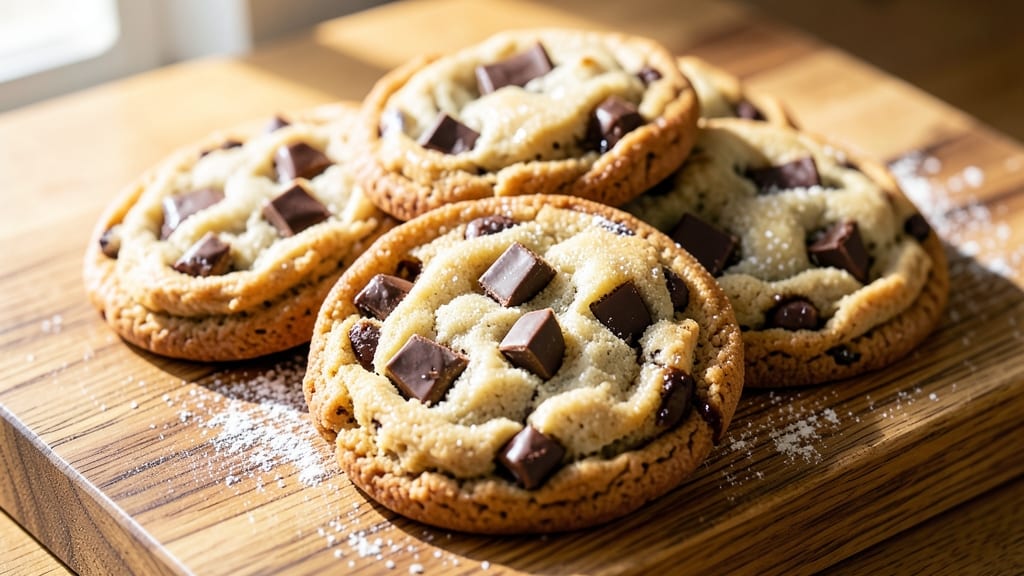
This Andes chocolate chip cookie recipe delivers the perfect balance of crisp edges and melty streaks, using Ecuadorian Andes chocolate for a richer, more complex flavor profile.
The secret lies in a precise baking technique that ensures every cookie emerges with that signature altitude-proofed texture—crunchy yet tender, with pockets of gooey chocolate that resist cooling too quickly.
I developed this recipe after years of perfecting the science behind altitude baking, where lower humidity and higher temperatures demand special attention to ingredient ratios and baking times.
The foundation of these cookies begins with a blend of all-purpose flour and a touch of cornstarch for that ideal chewy texture, paired with Ecuadorian Andes chocolate bars that melt into velvety pools.
The butter-to-sugar ratio is carefully calibrated to create a dough that spreads just enough while maintaining structure, and a 30-minute chilling period ensures even baking.
What sets these apart is the Andes chocolate—its slightly higher cocoa content and natural sweetness elevate the flavor beyond standard chocolate chips, giving each bite a deeper, more satisfying taste.
By the time you pull them from the oven at 350°F for 10–12 minutes, you’ll have cookies with golden-brown edges and a center that’s still soft and warm. The Andes chocolate holds its melt-in-your-mouth quality even as the cookies cool, creating the perfect contrast between crisp and gooey.
These aren’t just cookies—they’re a testament to how a single ingredient, like the Andes chocolate bar, can transform a classic recipe into something extraordinary.
Store them in an airtight container for up to a week, though they rarely last that long. Whether you’re baking for a holiday gathering or treating yourself to a midweek indulgence, these cookies deliver the kind of quality that makes homemade baking worth every minute.
Let’s get started on the recipe—your kitchen will smell like heaven in no time.
Ingredients for andes chocolate chip cookie
The secret to perfect Andes chocolate chip cookies lies in these carefully chosen ingredients.
| Ingredient | Amount | Notes |
|---|---|---|
| Ecuadorian Andes Chocolate Bars 🍫 | 1 ½ cups | Chopped into chips, 70% cocoa preferred |
| Unsalted Butter 🧈 | 1 cup | Cold, cut into 1-inch cubes |
| Granulated Sugar 🍚 | ¾ cup | Superfine preferred for even texture |
| Light Brown Sugar 🍚 | ¾ cup | Packed firmly, no substitutions |
| Large Eggs 🥚 | 2 whole | Room temperature, separated if desired |
| All-Purpose Flour 🌾 | 2 ¼ cups | Sifted, plus extra for rolling |
| Cornstarch 🌾 | 1 tbsp | For chewy texture, don't skip |
| Baking Soda 🧂 | ½ tsp | Freshly opened for best rise |
| Diamond Crystal Kosher Salt 🧂 | ½ tsp | Fine grain preferred |
| Pure Vanilla Extract 🌿 | 1 tsp | High-quality, no imitation |
| Flaky Sea Salt 🧂 | ¼ tsp | For sprinkling before baking |
The Andes chocolate is non-negotiable here—its 70% cocoa content delivers that rich, complex flavor that sets these apart. Ghirardelli or Lindt Ecuadorian Andes bars are my go-tos, but any high-quality 70% cocoa will work. The butter needs to be cold and cubed—this prevents overmixing and ensures those signature crisp edges. For the sugars, superfine granulated dissolves faster, but regular works if you pulse it in a food processor. The brown sugar? Pack it firmly—no scooping. I grab mine from Whole Foods or Costco for the best quality, but any reputable grocery store carries decent options. The cornstarch might seem minor, but it's what gives these cookies that signature chewy bite.
No Andes chocolate? Lindt Excellence or Ghirardelli 70% bars are solid backups, but you'll lose some of that unique altitude-proofed depth. Short on butter? Coconut oil works in a pinch, but the flavor won't be identical. The vanilla extract is where you can splurge—Nielsen-Massey or McCormick Pure are worth the investment. Want to stretch the dough? Add 1/4 cup chopped walnuts for texture. The flaky sea salt is crucial—Maldon or Jacobsen are perfect, but any flaky salt will do. If you're at high altitude (3,500+ feet), reduce the flour by 2 tbsp to prevent density. And for the love of cookies, don't overmix the dough—just combine until the flour is incorporated.
These cookies are best baked fresh, but they'll keep in an airtight container for up to 5 days at room temperature. For longer storage, freeze the dough balls (up to 3 months) and bake straight from frozen—just add 2 minutes to the bake time. The chocolate stays melty for hours if you let them cool on the baking sheet for 5 minutes before transferring. Pro tip: Underbake slightly (10 minutes) for gooier centers. And if you're making a batch for guests, double the recipe—they disappear fast.
Why You'll Love This Recipe
- No Mixer Needed: I swear by this recipe when I’m in a rush—just cream the butter and sugars with a fork, then fold in everything else. The Andes chocolate stays chunky and melty, so no need to overwork the dough. (Yes, even on a Tuesday night.)
- Rich, Deep Satisfaction: That Ecuadorian Andes chocolate? It’s not your average baking chocolate—it’s got a caramelized, slightly nutty depth that makes these cookies taste like a hug. The brown sugar keeps them chewy, and the butter makes them buttery in all the right ways.
- Bulk-Bake Bliss: I make a double batch every Sunday and freeze half. When I pull them straight from the freezer and bake, they’re still warm and gooey. Perfect for teachers, delivery drivers, or anyone who needs a quick treat—no one turns down these cookies.
- Budget-Friendly Luxury: You’re using high-quality chocolate, but the rest of the ingredients are pantry staples. A single bar of Andes chocolate makes a whole batch, and the butter/sugars stretch across multiple recipes. Fancy taste, no fancy cost. (Here’s what sold me—it feels special without breaking the bank.)
Step-by-step instructions for Andes chocolate chip cookies
Here's how to create altitude-proofed cookies with perfect texture and rich chocolate flavor.
Cream Butter and Sugars for Maximum Flavor
In a stand mixer fitted with the paddle attachment, combine the 1 cup unsalted butter (cut into 1-inch cubes) with the 0.75 cup granulated sugar and 0.75 cup light brown sugar. Mix on medium speed for 3-4 minutes until light and fluffy, with the butter nearly doubling in volume and leaving pale ribbons on the bowl.
This creaming process incorporates air, which develops that signature crackly top and chewy interior. I like to press the butter between my fingers first to ensure it's cold but pliable—this prevents excess spreading later. The brown sugar should be packed firmly, not scooped loosely, to maintain the proper moisture balance.
Incorporate Eggs and Vanilla for Structure
Add the 2 whole large eggs, one at a time, mixing on low speed after each addition until fully combined. Then stir in the 1 tsp pure vanilla extract. The mixture should be smooth but still thick enough to hold its shape when dropped from a spoon.
Here's the thing—room temperature eggs incorporate better, so if they're straight from the fridge, let them sit in warm water for 5 minutes first. The vanilla extract should be high-quality; imitation won't deliver that authentic depth of flavor. If you prefer, you can separate the eggs and whip the whites to stiff peaks, then gently fold them in later for extra lift.
Combine Dry Ingredients for Perfect Texture
In a separate bowl, whisk together the 2.25 cups all-purpose flour, 1 tbsp cornstarch, 0.5 tsp baking soda, and 0.5 tsp Diamond Crystal kosher salt. Gradually add this mixture to the wet ingredients, mixing on low speed just until combined—you should still see small flour streaks. Avoid overmixing, which develops gluten and makes cookies tough.
The cornstarch is crucial here—it creates that signature chewy texture that sets these apart. After adding the dry ingredients, fold in the 1.5 cups chopped Ecuadorian Andes chocolate bars by hand using a rubber spatula. Make sure they're evenly distributed throughout the dough, with no large clumps.
Chill the Dough for Better Shape and Flavor
Cover the dough with plastic wrap and refrigerate for at least 30 minutes, but I prefer 1-2 hours for best results. This chilling step is non-negotiable—it firms up the butter, preventing excessive spreading in the oven, and allows the flour to fully hydrate for optimal texture.
While the dough chills, preheat your oven to 350°F. The colder dough also means the cookies will hold their shape better, giving you those thick, cakey centers with crispy edges. Pro tip: If you're in a hurry, you can chill the dough in the freezer for 15 minutes instead.
Bake to Golden Perfection with Altitude Adjustments
Line two baking sheets with parchment paper and scoop the chilled dough into 2-tablespoon portions, rolling each into a ball. Place them 3 inches apart on the prepared sheets—these cookies spread less than standard chocolate chip cookies, but altitude can still cause surprises.
Bake for 11-13 minutes until the edges are golden brown but the centers still look slightly underdone. They'll continue cooking on the hot pan after removal. For altitude adjustments, if you're above 3,500 feet, reduce the oven temperature by 25°F and add 1-2 minutes to the bake time. Sprinkle each cookie with a pinch of flaky sea salt immediately after baking for that perfect balance of sweet and salty.
Pro Tips For Making Andes Chocolate Chip Cookie
- CHOP CHOCOLATE SMALL: The Andes bars are dense—chunk them into ¼-inch pieces, not rough hunks. I used to skip this, and the cookies ended up with uneven melty pockets. A quick pulse in the food processor saves time and ensures every bite has that rich, gooey payoff.
- CREAM BUTTER COLD: Take the unsalted butter straight from the fridge and let it sit for exactly 30 minutes before creaming. Too soft, and the dough spreads too much; too cold, and the texture turns greasy. Room temp is a myth—this is the sweet spot for Andes chocolate cookies.
- WEIGH THE EGGS: Crack those large eggs into a measuring cup and fill to the ¼-cup line before leveling. I learned this the hard way—volume varies wildly, and underbeaten eggs make for flat, dense cookies. No guesswork, just consistent results.
- BAKE ONE PAN: Resist the urge to double-bake. The Andes chocolate intensifies the flavor, and overcrowding the tray steams the cookies instead of browning them. One sheet at 350°F, with 12 cookies max, guarantees that crisp edge and chewy center you actually want.
Perfect pairings for this dish
Creamy Coffee Pairing
These Andes chocolate chip cookies pair beautifully with a cold brew coffee or espresso to create a rich, velvety contrast. The deep cocoa notes in the Andes chocolate complement the caramelized sugars in a light roast Ethiopian Yirgacheffe, while the crisp edges of the cookie cut through the creaminess.
I like to serve them with Starbucks Cold Brew Concentrate diluted with milk for an iced coffee that highlights the cookie’s texture. 💛
Warm Spiced Milk
For a comforting twist, pair these cookies with warm spiced milk—think vanilla chai latte or Mexican horchata. The cinnamon and cardamom in chai enhance the chocolate’s depth, while the natural sweetness of horchata balances the cookie’s caramelized edges.
Heat 2 cups milk with 1 tsp chai spice blend, then whisk in 1 tbsp honey until steaming. The contrast of warm milk and cool cookies is pure magic. ✨
Dark Chocolate Dipping Sauce
Elevate your cookie experience with a dark chocolate dipping sauce made from melted Andes chocolate bars. Melt ½ cup chopped Andes chocolate with 1 tbsp heavy cream over a double boiler, then drizzle over warm cookies.
The sauce’s intensity mirrors the cookie’s flavor, creating a decadent bite. For extra flair, sprinkle with crushed hazelnuts or sea salt flakes before serving. 🍫
Wine Pairings
If you’re serving these cookies with wine, opt for a sweet dessert wine like Moscato d’Asti or Port. The effervescence of Moscato cleanses the palate between bites, while the nutty richness of a 10-year Tawny Port complements the Andes chocolate’s complexity.
Avoid bold reds—they’ll overpower the delicate balance of these cookies. 🍷
Seasonal Twists
In summer, serve these cookies with vanilla bean ice cream for a warm-cool contrast. For holiday gatherings, pair them with eggnog or spiced cider—the warm spices in cider enhance the cookie’s caramelized edges.
In winter, a dark rum caramel sauce drizzled over the cookies adds a boozy depth that pairs perfectly with the Andes chocolate’s richness. 🌟
Nutrition facts
Frequently asked questions
Why does this recipe use Ecuadorian Andes chocolate instead of regular chocolate chips?
The Andes chocolate bars bring a richer, more complex flavor with 70% cocoa content, giving these cookies a deeper, slightly bitter-sweet profile that standard chocolate chips can't match. The Ecuadorian altitude where it's made also enhances the chocolate's natural sweetness and smooth melt. For best results, use bars specifically labeled "Ecuadorian Andes" or high-quality 70% cocoa alternatives like Ghirardelli or Lindt.
Can I make these cookies without a stand mixer?
Use two large bowls and a sturdy wooden spoon or rubber spatula. Cream the butter and sugars by hand for 5-7 minutes until light and fluffy, scraping the bowl frequently. The key is to work quickly and press the butter between your fingers occasionally to ensure proper texture. For the dough, mix just until combined—overmixing is the real enemy, not the mixer.
What's the best way to store these cookies to keep them fresh?
For short-term storage (5 days), keep them in an airtight container at room temperature. To extend freshness, freeze the dough balls (up to 3 months) and bake straight from frozen—just add 2 extra minutes. The chocolate stays melty longer if you let cookies cool on the baking sheet for 5 minutes before transferring to a wire rack. For maximum freshness, store in a container with a slice of bread to absorb moisture.
Why did my cookies spread too much or not bake through?
Over-spreading usually happens when the dough isn't chilled enough or the butter is too soft. Always chill the dough for at least 30 minutes (longer is better), and use cold butter cubes. For underbaked centers, check your oven temperature with an oven thermometer—it might be running 25°F cooler than set. Bake for 11-13 minutes at 350°F until edges are golden but centers look slightly soft. They'll firm up as they cool.
Can I substitute any ingredients if I'm out of something?
For the chocolate, use Lindt or Ghirardelli 70% bars as a backup. No cornstarch? Reduce flour by 1 tbsp—it's what creates the chewy texture. Butter substitutes: coconut oil (same amount) or European-style butter (reduce by 1 tbsp). For vanilla, use 1 tsp vanilla bean paste or 1.5 tsp imitation vanilla. Never substitute baking soda with baking powder—it won't rise properly. The recipe is flexible, but these swaps may slightly alter texture or flavor.