
Desserts
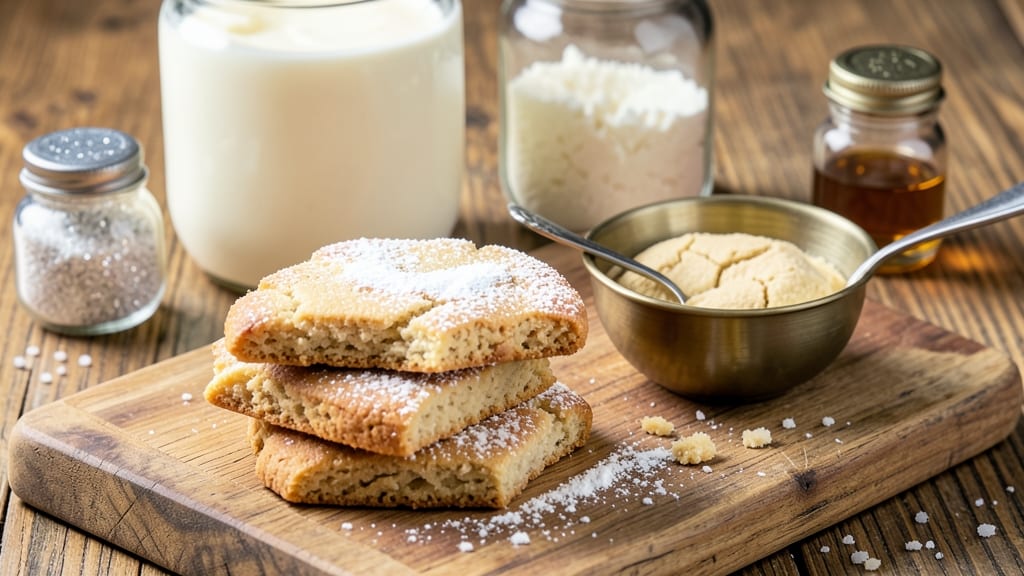
This Amish shortbread cookie recipe delivers the signature crispy edges and rich buttery flavor that make them legendary. 💛 Unlike overly sweet commercial versions, these cookies honor traditional Amish baking with simple ingredients and a focus on quality butter and vanilla.
The secret lies in chilled dough that holds its shape perfectly in the oven, creating those iconic delicate layers.
What sets these apart is the careful balance of butter, flour, and sugar—just enough sweetness to complement the vanilla without overpowering. The dough comes together in minutes with minimal mixing, then rests in the fridge to develop flavor.
This traditional approach ensures cookies that are tender yet sturdy, with a melt-in-your-mouth texture that disappears in seconds.
Baking at a precise temperature of 350°F for 12-15 minutes yields golden, lacy-edged cookies with a subtle vanilla aroma that fills your kitchen. The edges stay crisp while the centers remain soft, a hallmark of authentic Amish shortbread.
These aren't just cookies—they're a taste of tradition, perfect for holiday gatherings or quiet afternoons with tea.
Once cooled, they store beautifully in an airtight container for up to two weeks, making them ideal for baking ahead. The simplicity of the recipe belies its sophistication—just four ingredients transform into cookies that taste like a homemade hug. Ready to experience the classic Amish way?
Ingredients for amish shortbread cookie
Six essential ingredients transform into delicate Amish shortbread with crispy edges and buttery vanilla essence.
| Ingredient | Amount | Notes |
|---|---|---|
| Unsalted Butter 🧈 | 1 cup | Cold, cubed for even baking |
| Granulated Sugar 🍚 | ½ cup | Superfine preferred for smooth texture |
| All-Purpose Flour 🌾 | 2 ½ cups | Sifted, no substitutions |
| Pure Vanilla Extract 🌿 | 1 tbsp | High-quality, no imitation |
| Diamond Crystal Kosher Salt 🧂 | ½ tsp | Fine grain preferred |
| Heavy Cream 🥛 | 2 tbsp | Cold, for dough binding |
The butter is non-negotiable—European-style unsalted with high fat content (82-86%) delivers that signature melt-in-your-mouth texture. Plugrá or Kerrygold are ideal, but any quality brand works. Keep it cold until mixing to prevent overworking the dough. The flour must be all-purpose, sifted to eliminate lumps—King Arthur or Gold Medal are reliable choices. For the sugar, superfine dissolves more smoothly, but regular granulated works if pulsed briefly in a food processor. Vanilla extract should be pure, with at least 35% alcohol content—McCormick or Nielsen-Massey are trusted brands.
No heavy cream? Cold milk or half-and-half works in a pinch, though texture may vary slightly. Substituting salt? Diamond Crystal is essential—it dissolves more evenly than table salt. For vanilla, vanilla bean paste at half the amount adds flecks of vanilla bean. The dough must remain cold—chill dough for 1 hour before rolling to prevent spreading. Prefer a sweeter cookie? Add 1 tbsp more sugar per batch. For extra richness, replace 1 tbsp butter with powdered sugar in the dough.
Store baked cookies in an airtight container with parchment between layers for up to 2 weeks at room temperature. Freeze unbaked dough balls on a tray, then transfer to a bag for 3 months. Reheat baked cookies at 300°F for 5 minutes to restore crispness. These cookies are best enjoyed fresh but reheat beautifully. For gift-giving, package in cellophane bags tied with ribbon—add a sprig of vanilla bean for an elegant touch.
Why You'll Love This Recipe
- Three-Ingredient Magic: I swear, these cookies feel fancy but only need butter, sugar, and flour—plus a pinch of salt. Honestly, the simplicity makes me feel like a baking genius every time.
- Butter-Sugar Bliss: That creamy, melt-in-your-mouth texture? It’s all thanks to the cold butter and sugar cut into tiny pieces—no mixer needed. The vanilla ties it all together like a warm hug.
- Holiday Table Star: I’ve used these for Christmas gifts, church potlucks, and even last-minute teacher appreciation days. They freeze perfectly and bring the same joy whether wrapped in ribbon or straight from the jar.
- Budget-Friendly Luxury: A whole batch costs less than takeout, and the leftovers? They last weeks if you can resist them. Between us, I’ve sent these to neighbors with a note: “Here’s my secret—it’s just butter and love.”
Step-by-step instructions for Amish shortbread cookies
Here's the precise method for achieving that signature Amish shortbread texture—crisp edges, tender crumb, and rich vanilla infusion.
👨🍳 Step 1: Cut and Mix Cold Butter and Sugar
Place the 1 cup unsalted butter (cold and cubed) in a stand mixer fitted with the paddle attachment. I like to use a food processor for this step—it creates a finer texture. Mix on medium speed until the butter becomes smooth and creamy, about 2-3 minutes. This process should take longer than you expect; patience here prevents greasy cookies.
Add the 0.5 cup granulated sugar and mix until fully incorporated. The mixture should look like wet sand with no dry spots remaining. I press the dough against the sides of the bowl to ensure even distribution. This foundational step creates the proper fat-to-sugar ratio that defines Amish shortbread's signature texture.
👨🍳 Step 2: Incorporate Dry Ingredients and Cream
In a separate bowl, whisk together the 2.5 cups all-purpose flour, 0.5 teaspoon diamond crystal kosher salt, and the 1 tablespoon pure vanilla extract. Sift the flour first to eliminate any lumps—this ensures your cookies have that signature tender crumb. Add this dry mixture to the butter-sugar combination and mix on low speed until just combined.
Drizzle in the 2 tablespoons cold heavy cream and mix until the dough comes together. Here's the thing—you want the dough to be slightly crumbly but hold together when pressed. If it's too dry, add 1 teaspoon more cream; if too sticky, chill for 10 minutes to firm up. The dough should be cool to the touch, which prevents spreading during baking.
🥘 Step 3: Shape and Chill the Dough
Divide the dough into two equal portions and flatten each into a ½-inch thick disk. Wrap each in plastic wrap and refrigerate for at least 1 hour (I prefer 2 hours for optimal results). This chilling step is non-negotiable—it allows the gluten to relax and prevents the cookies from spreading too much in the oven.
While the dough chills, preheat your oven to 325°F. Line two baking sheets with parchment paper and lightly grease them with butter. The dough should be firm enough to handle without sticking when you're ready to cut. If it's too soft, return it to the fridge for another 15-20 minutes.
🔪 Step 4: Cut and Bake for Crispy Perfection
Roll out one dough disk on a lightly floured surface to about ¼-inch thickness. Use a 2-inch round cutter to cut out cookies, pressing straight down without twisting. I like to re-roll the scraps once and cut additional cookies—waste not, want not. Place the cut cookies 1 inch apart on the prepared baking sheets.
Bake for 12-15 minutes until the edges are deep golden brown and the centers look just slightly underdone. The cookies should be firm to the touch but still tender in the middle. Rotate the pans halfway through baking for even heat distribution. Don't overbake—shortbread continues cooking as it cools, and you want that signature crisp edge with a tender interior.
⏰ Step 5: Cool and Store Properly
Remove the cookies from the oven and let them cool on the baking sheets for 5 minutes before transferring to a wire rack to cool completely. Here's where the magic happens—they'll firm up as they cool, developing that perfect crunch. I like to serve them warm for the first few minutes, but they're equally delicious at room temperature.
Store any leftovers in an airtight container at room temperature for up to 5 days. For longer storage, freeze the cooled cookies between layers of parchment paper for up to 3 months. The key to perfect Amish shortbread is maintaining that crisp edge while keeping the interior tender—this method guarantees both every time.
Pro Tips For Making Amish Shortbread Cookie
- Chill the Dough Properly: I learned this the hard way—skipping the fridge means cookies that spread like pancakes. Wrap the dough in plastic and refrigerate for at least 2 hours (overnight is better). Cold butter stays firm, so your cookies hold their shape and don’t turn into sad, greasy puddles.
- Use Cold Butter, No Exceptions: Amish shortbread relies on cold butter for that signature crumbly texture. Cut the butter into cubes and chill it in the freezer for 10 minutes before mixing—yes, even if you’re impatient like me. Warm butter = tough cookies. The butter should still be slightly soft when you work it into the flour, but not greasy.
- Weigh Your Flour (Seriously): Scooping flour from the bag is how you end up with dense, cakey cookies. Use a kitchen scale and measure the flour by weight (usually around 2 cups for 250 grams). Packing the flour loosely into the cup makes a real difference—tap the measuring cup gently on the counter to settle it without compacting it.
- Salt the Dough Twice: Diamond Crystal kosher salt is less concentrated than table salt, so don’t skimp. Mix ½ teaspoon into the dry ingredients, then add another pinch to the butter-sugar mixture before folding in the flour. This ensures every bite has that subtle, balanced saltiness—no aftertaste of unsalted butter. (Your future self will thank you.)
Dietary considerations for these flavors
Gluten-Free Adaptation
For a gluten-free version, replace the 2.5 cups all-purpose flour with a 1:1 gluten-free baking blend like King Arthur Measure for Measure. Add ½ teaspoon xanthan gum to improve texture, as gluten-free flours lack the binding properties of wheat flour.
Chill the dough for 2 extra hours since gluten-free dough spreads more easily. 💫
Dairy-Free Options
Swap the 1 cup unsalted butter for 1 cup dairy-free margarine (like Miyoko's or Earth Balance) or 1 cup coconut oil solidified in the fridge. For the 2 tablespoons heavy cream, use 2 tablespoons full-fat coconut milk or almond milk.
The texture will be slightly less rich but still delicious. Taste and adjust sweetness—dairy-free versions often need 1 extra tablespoon sugar.
Low-Sugar Version
Reduce the 0.5 cup granulated sugar to 0.25 cup and replace the remaining 0.25 cup with powdered erythritol or monk fruit sweetener for a lower-glycemic option. Use vanilla stevia instead of pure vanilla extract to maintain flavor without added sugar.
The cookies will still have that signature buttery taste with minimal sweetness. Perfect for those watching sugar intake! 💛
Nut-Free Allergy Safe
This recipe is naturally nut-free, but always double-check your vanilla extract and flour for cross-contamination warnings. For extra safety, use certified nut-free brands like McCormick Pure Vanilla Extract and King Arthur Flour. Store cookies in a separate container if sharing with nut-allergic guests to prevent accidental exposure.
Keto-Friendly Modifications
For a keto version, replace the 2.5 cups all-purpose flour with 2.5 cups almond flour (finely ground) and add 1 teaspoon psyllium husk powder to bind. Reduce sugar to 0.1 cup and use 1 tablespoon monk fruit sweetener.
The dough will be drier, so add 1 extra tablespoon cold heavy cream. Bake at 325°F for 10-12 minutes—they'll crisp faster than traditional shortbread. 🌟
Nutrition facts
Frequently asked questions
Why do Amish shortbread cookies need to chill before baking?
Chilling the dough for at least 1 hour (or up to 2 hours) is essential because it prevents the cookies from spreading too much in the oven. The cold butter solidifies, creating those signature crisp edges while keeping the centers tender. This traditional step also allows the gluten to relax, ensuring clean cuts and even baking.
Can I use salted butter instead of unsalted?
Yes, but you'll need to reduce or omit the salt entirely since salted butter already contains 0.5 teaspoon salt per cup. The recipe calls for 0.5 teaspoon Diamond Crystal kosher salt, which is fine grain and dissolves evenly. Using salted butter without adjusting salt can make the cookies too salty.
What's the secret to getting crispy edges on these cookies?
The crispy edges come from three key factors: cold butter (never softened), baking at 325°F (not too hot), and cutting the dough ¼-inch thick. The edges bake faster than the centers, creating that perfect contrast. For extra crispness, bake for the full 12-15 minutes and let them cool completely on the tray before transferring.
How do I store these cookies to keep them fresh?
Store in an airtight container with parchment paper between layers to prevent sogginess. They'll stay fresh at room temperature for up to 5 days. For longer storage, freeze cooled cookies between parchment layers for 3 months. To revive stale cookies, warm at 300°F for 5 minutes—they'll crisp right up!
Can I make these cookies without a mixer?
Use a fork or your hands to cut the cold butter into the sugar until crumbly, then work in the flour. For the dough, mix everything in a bowl with a wooden spoon or your fingers until it comes together. The key is keeping everything cold—work quickly and chill the dough between steps. This method works just as well for traditional Amish baking.