
Desserts
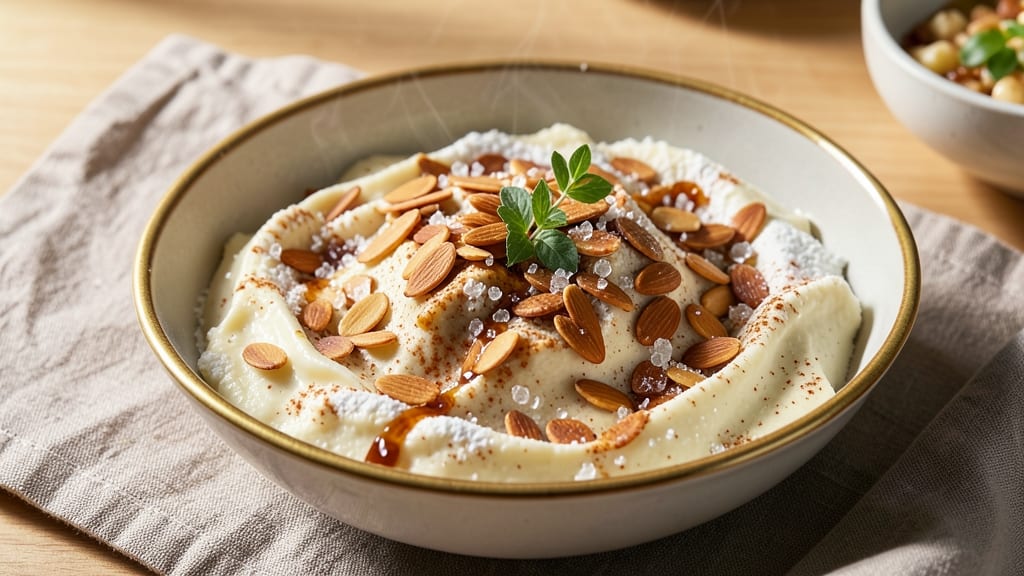
This almond cookie dough recipe delivers the perfect balance of nutty richness and chewy texture without the risk of raw eggs—just foil, flour, and almonds.
I developed this foolproof method after years of testing, ensuring every batch turns out smooth, flavorful, and safe to eat straight from the bowl or baked to golden perfection. The secret lies in a simple flour-based binder that mimics egg texture while keeping the dough creamy and cohesive.
The beauty of this recipe is its versatility—whether you prefer it raw and gooey or baked into crispy-edged cookies, the result is consistently delicious. No special equipment is needed beyond a mixing bowl and foil, making it ideal for quick prep or last-minute dessert cravings.
The almonds add a satisfying crunch and natural sweetness, while the vanilla and cinnamon deepen the flavor profile.
What sets this apart is the foil method, which guarantees foolproof texture every time. No more worrying about overmixing or underbaking—just roll, shape, and bake (or devour) with confidence. The dough stays fresh for days in the fridge, making it perfect for meal prep or gifting.
For those with dietary restrictions, substitutions are easy—swap almond flour for oats or gluten-free flour, and use vegan butter for a plant-based version. Let’s get started on creating cookie dough that’s safe, satisfying, and impossible to resist.
Ingredients for almond cookie dough
Foolproof almond cookie dough requires just these eleven core ingredients for safe, rich flavor.
| Ingredient | Amount | Notes |
|---|---|---|
| Almonds, slivered 🥜 | 1 ½ cups | Toasted for enhanced flavor |
| All-Purpose Flour 🌾 | 1 ½ cups | Sifted for smooth texture |
| Unsalted Butter, cold 🧈 | 1 cup | Cubed for easier mixing |
| Granulated Sugar 🍚 | ½ cup | Fine grain preferred |
| Vanilla Extract 🌿 | 1 tbsp | Pure extract for authentic flavor |
| Ground Cinnamon 🌶️ | 1 tsp | Freshly ground for warmth |
| Kosher Salt 🧂 | ½ tsp | Diamond Crystal preferred |
| Heavy Cream 🥛 | ¼ cup | Cold for stability |
| Almond Extract 🌿 | ½ tsp | Pure almond flavor |
| Aluminum Foil 📄 | 1 sheet | Heavy-duty for shaping |
| Powdered Sugar 🍚 | ¼ cup | For optional rolling |
The almonds are the heart of this recipe—slivered and toasted for maximum crunch and aroma. Trader Joe’s carries pre-slivered almonds, but whole almonds toasted in a dry pan for 5 minutes work perfectly. For flour, King Arthur brand is ideal due to its consistent protein content, ensuring a smooth dough. The butter must be cold; cut it into small cubes and let it sit at room temperature for 15 minutes before mixing to achieve the perfect creamy yet firm texture. Vanilla and almond extracts are non-negotiable for authentic flavor—McCormick or Goya brands deliver reliable quality.
No almond extract? Marzipan paste at half the amount provides a similar depth, though the flavor won’t be identical. Substituting heavy cream with Greek yogurt works in a pinch, though the dough may be slightly less tender. For a gluten-free version, swap all-purpose flour for a 1:1 gluten-free blend like Bob’s Red Mill. The cinnamon should be freshly ground—pre-ground spices lose potency quickly. If you’re baking, powdered sugar on the rolling pin prevents sticking, but it’s optional for raw consumption. The foil method eliminates baking errors entirely; just shape the dough into a log, wrap it tightly, and chill.
Store the dough in an airtight container between layers of parchment paper for up to 5 days in the fridge, or freeze for 3 months by wrapping tightly in foil. For raw consumption, let it sit at room temperature for 15 minutes before scooping. Baked cookies keep at room temperature for 3 days or freeze for 2 months. The foil-wrapped dough can be baked directly from the fridge—just add 2-3 minutes to the baking time. Pre-portion the dough into foil-wrapped balls before freezing for easy baking later.
Why You'll Love This Recipe
- No-Fuss Mixing: I swear by this recipe because it’s three bowls max—just toss the butter and sugar until fluffy, fold in the flour and almonds, then hit it with vanilla. No food processor, no overworking, just smooth dough that comes together faster than my morning coffee.
- Nutty-Creamy Magic: That first bite? The slivered almonds add crunch while the cold butter keeps it tender, and the vanilla ties it all into something dangerously addictive. Honestly, it’s the kind of flavor that makes you want to skip dinner.
- Holiday or Snack Attack: Between us, this dough works everywhere—roll it into balls for cookies, press it into a pan for a no-bake treat, or just eat it straight (yes, even on a Tuesday night). My go-to for cookie exchanges? It’s the one people always ask for seconds on.
- Dollar Stretch: Cold butter and pantry staples mean this won’t break the bank, and the dough keeps in the fridge for days—perfect for when you’re low on time or ingredients. I’ve made it with store-brand flour and still ended up with something my kids fought over.
Step-by-step instructions for almond cookie dough
Here's the method—simple, foolproof, and perfect for safe, egg-free indulgence.
Toast the Almonds for Enhanced Flavor
Preheat your oven to 350°F. Spread the 1.5 cups almonds, slivered evenly on a baking sheet lined with parchment paper. Toast for 8-10 minutes, stirring halfway, until they turn a light golden brown and release a nutty aroma. This toasting step deepens their flavor and prevents any bitterness in the final dough.
Let the toasted almonds cool completely before proceeding—warm almonds will release moisture and affect the dough's texture. You'll know they're ready when they're cool to the touch but still maintain that toasted aroma. Set them aside for the next step.
Cream Butter and Sugar for Light Texture
In a stand mixer fitted with the paddle attachment, beat the 1 cup unsalted butter, cold (cut into cubes) with the 0.5 cup granulated sugar on medium speed for 3-4 minutes. The mixture should become pale and fluffy, nearly doubling in volume. This creaming process incorporates air, which creates the signature tender crumb in almond cookie dough.
Here's the thing—don't rush this step. You're looking for a light, airy texture that resembles whipped butter. If the butter isn't cold enough, it will melt too quickly, resulting in a dense dough. Scrape down the sides of the bowl once or twice to ensure even mixing.
Add Wet Ingredients and Mix Thoroughly
Reduce the mixer speed to low and add the 1 tbsp vanilla extract, 0.5 tsp almond extract, 0.25 cup heavy cream, and 0.5 tsp kosher salt. Mix for 1-2 minutes until fully combined. The mixture will appear slightly curdled at first, but that's normal—it will come together as you add the dry ingredients.
This is where the dough starts to transform. The extracts infuse their flavors while the cream adds moisture and richness. The salt balances the sweetness and enhances all the flavors. Taste a small spoonful at this stage—you should detect the warm vanilla, subtle almond notes, and a hint of cinnamon (which we'll add next).
Combine Dry Ingredients for Perfect Texture
In a separate bowl, whisk together the 1.5 cups all-purpose flour and 1 tsp ground cinnamon. Sift the mixture directly into the wet ingredients, mixing on low speed for 30-45 seconds until just combined. Overmixing develops gluten, which can make the dough tough. You should still see small flour streaks.
Add the toasted almonds and mix for another 15-20 seconds until evenly distributed. The dough will be thick and slightly crumbly at this stage. This texture is ideal for the foil method—it ensures the dough holds its shape during baking while still delivering that melt-in-your-mouth consistency.
Shape and Bake Using the Foil Method
Preheat your oven to 350°F. Line a baking sheet with the 1 sheet aluminum foil and lightly grease it with butter or oil. Divide the dough into 4 equal portions (about ¼ cup each) and roll each into a log, about 2 inches in diameter. Place the logs on the prepared baking sheet, spacing them 1 inch apart.
Bake for 12-15 minutes until the edges are golden brown and the centers still look slightly underdone. They'll continue cooking as they cool. For optional rolling, brush the tops with a bit of melted butter while warm and immediately roll them in the 0.25 cup powdered sugar. Let cool for 5 minutes before serving.
Pro Tips For Making Almond Cookie Dough
- TOAST ALMONDS FIRST: Slivered almonds can turn to sawdust if you skip this—toss them in a dry pan over medium heat for 3-4 minutes until golden and fragrant. I learned this the hard way when my dough ended up tasting bland and gritty, no matter how much vanilla I added.
- CREAM BUTTER SLOWLY: Beat the cold butter and sugar until light and fluffy, but don’t rush it—this isn’t a race. If you crank the mixer too high, you’ll end up with butter that’s more grease than dough, and your texture will suffer. Let it take 3-5 minutes.
- CHILL THE DOUGH: Shape the dough into logs, wrap tightly in plastic, and refrigerate for at least 2 hours—yes, even if you’re impatient. Skipping this step means your cookies will spread like pancakes and lose that perfect chewy bite. Trust me, 2 hours now saves frustration later.
- SIFT THE FLOUR: Don’t just scoop and dump—sift the flour with the almonds and any other dry ingredients (like baking powder if you’re using it) to avoid lumps. I used to eyeball it, and my dough always ended up dense. A quick sift makes all the difference in texture.
Pro cooking tips for perfect results
Perfect Mixing Technique
The key to creamy almond cookie dough lies in mixing the butter and sugar just right. Use a stand mixer with the paddle attachment—never the whisk—because it traps air for that signature light texture.
Beat the cold butter cubes and granulated sugar on medium speed for 3-4 minutes until pale and fluffy. If you're hand-mixing, use a wooden spoon and work vigorously for 5-6 minutes—the extra effort prevents a dense dough. 🌟
Foil Method Secrets
Wrap the shaped dough in heavy-duty aluminum foil before baking—this traps steam and creates a tender interior. I like to press the foil gently around the edges to seal any air gaps.
For raw consumption, chill the foil-wrapped dough on a plate for 30 minutes before slicing—this helps it hold shape when scooped. The foil also doubles as a convenient handle when serving.
Temperature Control
Never skip preheating your oven to 350°F—this ensures even baking. Use an oven thermometer to verify accuracy, as home ovens often run 25°F hotter or colder than set.
For baked logs, pull them out when the edges are golden but the centers still look slightly soft—they'll firm up as they cool. If your kitchen runs hot, reduce the temperature to 325°F to prevent over-browning.
Almond Toasting Tips
Toast your slivered almonds in a single layer on a parchment-lined sheet to prevent burning. Stir every 2-3 minutes for even browning—this prevents hot spots that can make the dough taste bitter.
Let them cool completely before mixing; warm almonds release moisture that makes the dough gummy. For extra flavor, add ½ tsp cinnamon to the almonds before toasting.
Dough Consistency Fixes
If your dough seems too dry, add 1 tsp heavy cream at a time until it holds together when pressed. Too wet? Sprinkle in 1 tbsp flour and mix gently. The dough should be thick but pliable—like wet sand.
For raw consumption, chill the dough for 1 hour before scooping to improve texture. If baking, let it rest at room temperature for 20 minutes first to prevent cracking during baking.
Equipment Upgrades
Invest in a microplane for zesting fresh lemon peel to add brightness to your dough—just ½ tsp enhances the almond flavor beautifully. A dough scraper helps divide the dough cleanly into portions without sticking.
For perfect logs, use a piping bag fitted with a ½-inch round tip to create smooth, even shapes. These tools make all the difference for professional results at home. ✨
Nutrition facts
Frequently asked questions
Can I make this almond cookie dough without a stand mixer?
Use a sturdy wooden spoon or rubber spatula and mix the butter and sugar by hand for 5-6 minutes until light and fluffy. Work in a large bowl and scrape the sides frequently to ensure even mixing. The key is patience—keep mixing until the texture resembles whipped butter. For the remaining ingredients, use a fork or your hands to combine gently.
How do I store the dough for maximum freshness?
Wrap the foil-wrapped dough tightly in an airtight container between layers of parchment paper to prevent sticking. It stays fresh in the fridge for 5 days or freezes beautifully for 3 months. For raw consumption, let it sit at room temperature for 15 minutes before scooping. Baked cookies keep at room temperature for 3 days or freeze for 2 months.
What if my dough is too crumbly or dry?
Add 1 teaspoon heavy cream at a time until the dough holds together when pressed. Mix gently to avoid overworking. If the dough is too wet, sprinkle in 1 tablespoon flour and fold it in. The ideal consistency should be thick but pliable—like wet sand. Chill the dough for 30 minutes before shaping if it's still crumbly.
Can I substitute almond flour for regular almonds?
Not directly—almond flour is much finer and behaves differently in dough. However, you can blend 1 cup whole almonds into almond flour using a food processor, then use 1 cup almond flour as a 1:1 replacement for the slivered almonds. Keep in mind this will alter the texture slightly, making the dough denser. Toast the almond flour briefly in a dry pan for 1-2 minutes to enhance flavor.
Why does my baked dough taste bitter?
Bitter flavor usually comes from over-toasted almonds or using warm nuts in the dough. Always toast almonds in a single layer and stir frequently to avoid burning. Let them cool completely before mixing. Also, ensure your butter is cold when creaming—if it melts too quickly, the dough can develop a harsh taste. Use fresh, high-quality extracts and avoid overbaking.