
Desserts
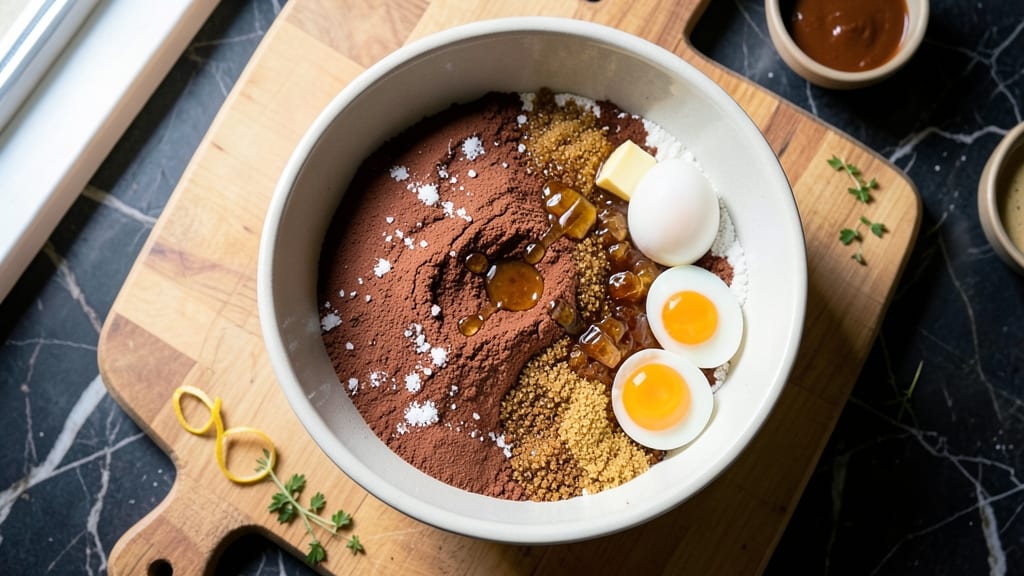
Adding cocoa powder to your cookie recipe transforms ordinary chocolate chip cookies into rich, deep chocolate masterpieces. The key to balancing that chocolate intensity lies in the right proportion—too much and you risk bitterness, too little and you miss out on that luxurious chocolate flavor.
I've refined this recipe over years of baking, ensuring every batch delivers that perfect harmony of chocolate and sweetness without overpowering the classic cookie experience.
This recipe starts with a classic cookie base—soft, chewy centers with crisp edges—but elevates it with the addition of high-quality Dutch-process cocoa powder. The secret to avoiding bitterness is balancing the cocoa with just the right amount of sugar and a touch of vanilla, which rounds out the flavor.
You'll need basic pantry staples: all-purpose flour, granulated sugar, brown sugar, butter, eggs, and a pinch of salt to bring out the chocolate's depth.
What you'll end up with is a batch of cookies that look stunning with their deep chocolate hue and taste even better—each bite packed with layers of chocolate flavor without any harsh aftertaste.
The texture remains perfectly chewy inside with just the right amount of crispness at the edges, making them ideal for sharing or satisfying your own chocolate cravings. Ready in about 12 minutes of baking time, these cookies are perfect for any occasion.
For those who love experimenting, you can adjust the cocoa powder to sugar ratio based on your preference—start with 2 tablespoons for a mild chocolate flavor and increase to 3 tablespoons for a more intense experience.
Pair them with a glass of cold milk or a scoop of vanilla ice cream for the ultimate chocolate cookie experience.
Ingredients for add cocoa powder to cookie
Rich chocolate depth meets classic cookie perfection—just 11 simple ingredients transform ordinary into extraordinary.
| Ingredient | Amount | Notes |
|---|---|---|
| All-Purpose Flour 🌾 | 2 ½ cups | Sifted for light texture |
| Granulated Sugar 🍚 | 1 cup | Superfine preferred for smoothness |
| Packed Brown Sugar 🍯 | ½ cup | Light or dark variety |
| Unsalted Butter 🧈 | 1 cup | Cold, cubed for best texture |
| Large Eggs 🥚 | 2 whole | Room temperature for even mixing |
| Pure Vanilla Extract 🌿 | 2 tsp | High-quality, Madagascar preferred |
| Dutch-Process Cocoa Powder 🍫 | ⅓ cup | High-quality for rich flavor |
| Diamond Crystal Kosher Salt 🧂 | ½ tsp | Fine grain for even distribution |
| Baking Soda 🧪 | ½ tsp | Ensures proper rise |
| Chocolate Chips 🍫 | 1 ½ cups | Semi-sweet preferred |
| Vanilla Ice Cream 🍦 | 1 ½ cups | For optional serving suggestion |
The cocoa powder is non-negotiable here—Dutch-process (like Hershey's Special Dark or Valrhona) ensures smooth texture and deep flavor without bitterness. Grab a small bag from Williams Sonoma or your local baking aisle; it makes a huge difference compared to the cheaper brands. For the butter, Plugrá or Land O'Lakes are reliable, but if you want to splurge, European-style unsalted butter adds unmatched richness. The chocolate chips? Ghirardelli or Guittard semi-sweet are my go-tos—they melt beautifully and keep their shape on the edges.
No Dutch-process cocoa? Natural cocoa powder with an extra 0.25 tsp baking soda works in a pinch, but expect a slightly tangier flavor. Running low on vanilla extract? Vanilla bean paste adds flecks of vanilla and works at a 1:1 ratio. Swapping chocolate chips? White chocolate chips or chopped dark chocolate bars (70% cocoa) both work—just adjust the amount to taste. The brown sugar can be swapped for white sugar plus 0.25 tsp molasses if you're out, but the texture won't be quite the same. And if you're feeling adventurous, espresso powder (0.5 tsp) intensifies the chocolate flavor without adding bitterness.
Store the dough in an airtight container in the fridge for up to 3 days—it actually improves overnight. For longer storage, freeze portions for up to 3 months. The baked cookies keep their chewiness for 5 days in a sealed container at room temperature, though they're best enjoyed fresh. Pro tip: Line your baking sheets with parchment paper and sprinkle a little flour on top before adding dough balls—prevents sticking and makes cleanup a breeze. Pair with that vanilla ice cream you’ve got stashed in the freezer for the ultimate indulgence.
Why You'll Love This Recipe
- No-Fuss Mixing: I swear by the creamy butter-egg combo—just cream, then fold in dry ingredients. No food processor, no fuss, and those brown sugar lumps? They melt into caramel pockets every time.
- Rich Without Effort: That cocoa powder transforms basic cookies into something indulgent—deep, toasty, and just sweet enough. The brown sugar’s chewiness balances the bitterness perfectly, like a hug for your taste buds.
- Party-Ready in 20: Bake a tray, freeze half, and you’ve got instant treats for holidays, potlucks, or when your kid’s teacher asks for “something sweet.” Warm them up, and they taste homemade magic.
- Budget-Friendly Luxury: Flour, sugar, butter—these are pantry staples that cost pennies but taste like a gourmet bakery. Double the batch, store in jars, and you’ll always have a treat without breaking the bank.
Step-by-step instructions for deep chocolate cookies
Here's how to incorporate cocoa powder for rich, complex chocolate flavor without overpowering sweetness.
Sift Dry Ingredients Together
In a medium bowl, combine the 2.5 cups all-purpose flour, 0.33 cup Dutch-process cocoa powder, 0.5 teaspoon baking soda, and 0.5 teaspoon Diamond Crystal kosher salt. Use a fine-mesh sieve to sift these ingredients together thoroughly. This creates a light, airy base and ensures even distribution of the cocoa powder throughout the dough.
I like to press down gently on the sifted mixture with a rubber spatula to break up any remaining lumps. The cocoa powder should be completely incorporated with no visible streaks—this prevents uneven chocolate distribution in your cookies. Set this mixture aside for now; we'll add it to the wet ingredients later.
Cream Butter and Sugars to Lighten the Texture
In a stand mixer fitted with the paddle attachment, beat the 1 cup unsalted butter (cold, cubed) with the 1 cup granulated sugar and 0.5 cup packed brown sugar on medium speed for 3-4 minutes. The mixture should become pale, fluffy, and nearly double in volume. This creaming process incorporates air, which creates that signature tender crumb in chocolate cookies.
Here's where it gets important: scrape down the sides of the bowl with a spatula every 30 seconds to ensure even mixing. You're looking for a ribbon-like consistency that leaves clean streaks when the beaters are lifted. If the butter hasn't softened enough after 4 minutes, let the mixture sit at room temperature for 5 minutes and continue beating.
Add Eggs and Vanilla for Richness
Add the 2 whole large eggs (room temperature) one at a time, mixing on low speed for 30 seconds after each addition until fully incorporated. Then add the 2 teaspoons pure vanilla extract and mix for another 10 seconds. The mixture will look slightly curdled at first, but don't worry—it will smooth out when we add the dry ingredients.
This is the moment that matters: the vanilla extract enhances the chocolate flavor while adding depth. I always use high-quality Madagascar vanilla because the subtle floral notes complement the cocoa beautifully. The eggs provide structure and moisture, so make sure they're at room temperature to prevent cold spots in your dough.
Combine Wet and Dry Ingredients
With the mixer on low speed, gradually add the sifted dry ingredients to the wet mixture. Mix for 30-45 seconds until just combined—you should still see a few small flour streaks. Overmixing develops gluten and makes cookies tough. The dough will be thick and slightly crumbly at this stage.
Real talk: this is where the cocoa powder really shines. The Dutch-process variety we're using has been alkalized to reduce bitterness, so we don't need to worry about balancing it with extra sugar. Fold in the 1.5 cups chocolate chips by hand using a silicone spatula, making sure they're evenly distributed throughout the dough.
Chill and Shape for Perfect Texture
Cover the bowl with plastic wrap and refrigerate for at least 1 hour (I prefer 2 hours or even overnight). This chilling step is crucial—it solidifies the butter, which prevents excessive spreading in the oven. It also allows the flour to fully hydrate and the cocoa powder to meld with the other flavors.
When ready to bake, preheat your oven to 350°F and line two baking sheets with parchment paper. Scoop the chilled dough into 2-tablespoon portions (about 1.5 ounces each) and place them 3 inches apart on the prepared sheets. The dough will be firm but should hold its shape when gently pressed.
Bake to Deep Chocolate Perfection
Bake for 11-13 minutes until the edges are golden brown and the centers still look slightly underdone. The cookies will continue cooking on the hot pan after removal. Let them cool on the baking sheet for 5 minutes before transferring to a wire rack. The centers should be soft and fudgy, with a crispy edge that gives way to that rich chocolate flavor.
For an extra decadent touch, serve warm with 1.5 cups vanilla ice cream on the side. The contrast between the warm, deep chocolate cookies and the cool, creamy ice cream is absolutely divine. Store any leftovers in an airtight container at room temperature for up to 5 days—though I doubt they'll last that long!
Pro Tips For Making Add Cocoa Powder To Cookie
- Weigh the Cocoa: Cocoa powder is dense—don’t eyeball it. A standard recipe calls for 2–3 tablespoons, but a scoop from the bag can add way more. Use a kitchen scale for precision, or spoon it into a measuring cup and level it off. Trust me, your cookies will taste balanced, not bitter.
- Cut Cold Butter Hard: For chocolatey cookies with structure, cut the butter into the flour mixture in small, pea-sized pieces. Use a pastry cutter or your fingers to work it in until the dough resembles coarse crumbs. This creates pockets for even baking, not a greasy mess. (Yes, it’s tedious, but it’s worth it.)
- Skip the Overmixing: Once you fold in the cocoa, stop mixing the second the dough comes together. Overworking it develops gluten, and your cookies will turn out tough instead of tender. Just press the dough into a disc, wrap it, and chill it—no need to knead like bread dough.
- Use Room-Temp Eggs: Cold eggs won’t emulsify properly, leading to dry or cracked cookies. Let them sit out for 30 minutes before mixing, especially in a cooler kitchen. Warm eggs blend smoothly with the butter and sugars, giving you that perfect chewy texture. (Pro move: Microwave them for 10 seconds if you’re in a rush.)
Perfect pairings for this add cocoa powder to cookie
Creamy Pairings
Warm cookies pair beautifully with vanilla ice cream—the contrast of cool cream against rich chocolate is pure magic. I like using Breyer's vanilla or Ben & Jerry's Phish Food for that nostalgic flavor.
For a lighter option, try coconut milk ice cream to balance the deep cocoa notes without overpowering them. 🍦
Another crowd-pleaser is whipped cream—lightly sweetened with a dusting of cocoa powder on top. Add a sprinkle of flaky sea salt to enhance the chocolate flavor. For a boozy twist, drizzle with chocolate syrup infused with 1 teaspoon rum or bourbon per cup of syrup.
It adds warmth without making the cookies too heavy.
Beverage Pairings
A classic cold glass of milk (whole or 2% for richness) cuts through the chocolate intensity beautifully. I prefer organic whole milk from Organic Valley—it's creamy and doesn’t overpower the cookies.
For coffee lovers, a strong espresso or cold brew with a splash of milk creates the perfect balance. The bitterness of the coffee complements the deep chocolate flavor.
For a festive touch, serve with hot chocolate made with high-quality cocoa powder (like Hershey's Special Dark) and a pinch of cinnamon. Warm cookies with warm drinks make for a cozy, indulgent experience.
If you're feeling adventurous, try chilled chai tea—the spiced notes pair surprisingly well with the chocolate. 🍵
Topping Ideas
Fresh raspberries or strawberries add a bright, tangy contrast to the rich chocolate. I like to slice them thinly and arrange them on a platter with the cookies.
For a nutty crunch, sprinkle with toasted pecans or crushed hazelnuts—just toast them in a dry pan for 2-3 minutes until fragrant. A pinch of flaky salt (like Maldon) on top elevates the flavor to restaurant-quality.
For a sweet-salty combo, try caramel drizzle—heat ½ cup caramel sauce with 1 teaspoon sea salt until warm and drizzle over the cookies. Another fun idea is crushed Oreos on top for a cookie-on-cookie experience.
If you love texture, add crushed freeze-dried raspberries for a fruity, crunchy topping that adds a pop of color. 🍓
Nutrition facts
Frequently asked questions
What's the difference between Dutch-process and natural cocoa powder?
Dutch-process cocoa (like Hershey's Special Dark) has been alkalized to reduce bitterness, giving it a smoother, richer flavor perfect for cookies. Natural cocoa (like Nestlé) is more acidic and intense—use it with an extra 0.25 tsp baking soda to balance. Dutch-process also dissolves better in liquids, making your dough more uniform.
Can I substitute cocoa powder with melted chocolate?
Yes, but the texture changes! Replace 0.33 cup cocoa powder with 0.67 cup melted dark chocolate (70% cocoa), but reduce the chocolate chips to 1 cup total. The cookies will be denser and fudgier. For best results, chill the dough 3 hours to prevent spreading. The flavor will be deeper but slightly more intense.
Why do my cocoa cookies turn out bitter?
Bitterness usually comes from using too much natural cocoa or overbaking. Stick to Dutch-process cocoa and bake for 11-13 minutes (edges golden, centers soft). If your cocoa is old, replace it—oxidized cocoa develops harsh flavors. Also, ensure you're using high-quality vanilla extract (1 tsp) to round out the chocolate.
How do I adjust the recipe for gluten-free baking?
Swap the 2.5 cups all-purpose flour for 2.25 cups gluten-free 1:1 baking flour (like Bob's Red Mill) plus 0.25 tsp xanthan gum. Add 1 extra tablespoon cocoa powder to compensate for reduced gluten structure. Chill the dough 2 hours and flatten slightly before baking for 10-12 minutes—GF cookies spread less.
Can I make these cookies without eggs?
Yes! Replace the 2 eggs with 2 tbsp applesauce + 1 tsp baking powder for moisture and structure. The texture will be slightly cakey but still delicious. For richer flavor, add 1 tbsp coffee or espresso powder to enhance the chocolate. Bake for 10-11 minutes—they'll be softer.