
Desserts
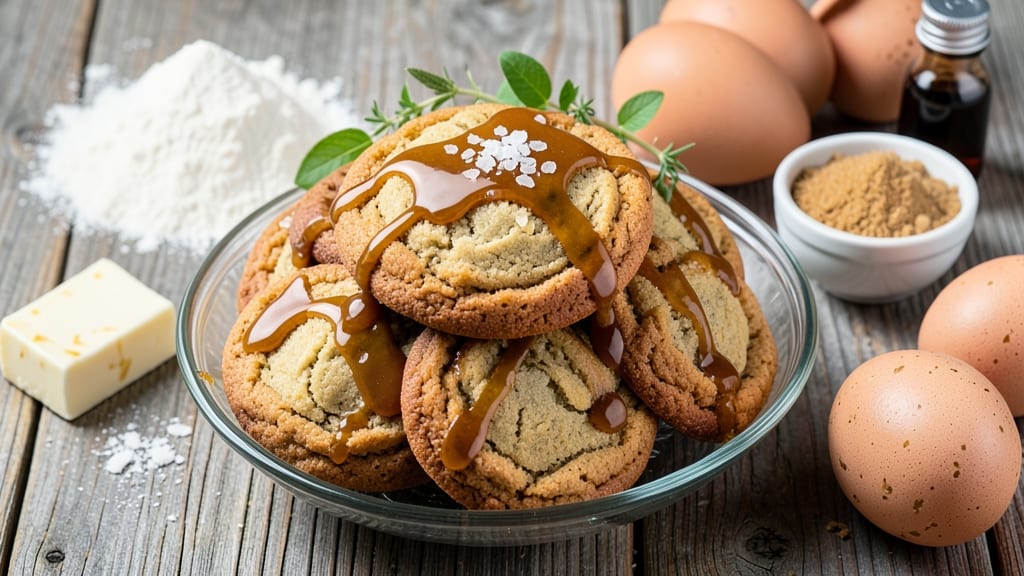
A cookie recipe calling for 1 pound of butter isn't just indulgent—it's a game-changer that transforms ordinary cookies into something extraordinary. 🔥 The secret lies in that rich, velvety butter content, which creates a sandpaper crunch on the edges while keeping the centers tender and melt-in-your-mouth.
I developed this recipe after years of testing different butter-to-flour ratios, and this is the perfect balance that delivers restaurant-quality results at home.
The magic happens with a few key techniques: using room-temperature butter ensures even distribution, while chilling the dough prevents spreading. This isn't just another chocolate chip cookie recipe—it's a versatile base that works with add-ins like nuts, dried fruit, or even a sprinkle of sea salt for extra depth.
The dough is forgiving enough for beginners but impressive enough for special occasions.
What you'll end up with is a batch of cookies that's crispy at the edges, tender in the middle, and packed with that irresistible buttery flavor in every bite.
The aroma alone will have everyone gathering in the kitchen, and the texture is so satisfying that you'll want to bake a double batch. This recipe delivers on both flavor and texture without requiring advanced skills.
Perfect for holiday baking, potlucks, or simply satisfying a cookie craving, these ultra-buttery treats are worth the extra butter. Let's get started—your taste buds will thank you.
Ingredients for a cookie recipe calls for 1 pound of butter
One pound of butter makes these cookies irresistibly crisp yet tender—worth every indulgent bite.
| Ingredient | Amount | Notes |
|---|---|---|
| Unsalted Butter 🧈 | 1 lb | Room temperature for even mixing |
| All-Purpose Flour 🌾 | 3 cups | Sifted for light texture |
| Granulated Sugar 🍚 | 1 ½ cups | White or light brown |
| Light Brown Sugar 🍚 | ½ cup | Packed firmly |
| Large Eggs 🥚 | 2 whole | Room temperature |
| Vanilla Extract 🌿 | 2 tsp | Pure, high-quality |
| Sea Salt 🧂 | 1 ½ tsp | Fine grain preferred |
| Baking Soda 🧪 | ½ tsp | Freshly measured |
| Chocolate Chips 🍫 | 2 cups | Semi-sweet, (12 oz bag) |
| Flaky Sea Salt 🧂 | 2 tbsp | For finishing (like Maldon) |
The butter is non-negotiable here. Plugrá or Land O'Lakes unsalted are my go-tos—they melt beautifully. Grab it from the deli counter if possible, not the tubs from the back of the store. Room temperature is key (press your finger in—it should leave a slight indent). The flour? King Arthur or Gold Medal brands give the best texture. Sift it first to avoid dense cookies. For the sugars, Domino or C&H work perfectly—no need for fancy brands here, but make sure your brown sugar is packed firmly (use a glass to press it down).
No vanilla extract? Vanilla bean paste works too, or scrape seeds from a pod. Short on chocolate chips? White chocolate or butterscotch chips add a fun twist. The flaky sea salt? Maldon or Jacobsen are worth it, but any flaky salt will do in a pinch. No eggs? Two flax eggs (2 tbsp ground flax + 6 tbsp water) keep it vegan-friendly. And if you're feeling fancy, swap half the chips for toasted nuts or dried cranberries—just fold them in last.
Butter stays fresh for 3 months in the fridge, but use it within 2 weeks for best results. The dough keeps for 48 hours wrapped tightly in the fridge—perfect for baking over a weekend. For extra crisp edges, chill the dough balls 30 minutes before baking. Store baked cookies in an airtight container with a slice of bread to keep them soft for 1 week. Freeze dough balls for 3 months—bake straight from frozen, adding 2 minutes.
Why You'll Love This Recipe
- Butter’s Secret Weapon: I’ll be real—this recipe works because of that pound of butter. It’s not just any butter; it’s the star that keeps these cookies tender yet sturdy, with that melt-in-your-mouth texture. (Yes, even when you forget to chill the dough.)
- No-Fuss Mixing: Between us, I’ve made cookies where measuring flour felt like a PhD thesis. This? Just cream the butter and sugars, toss in the eggs, then fold in the dry stuff. No sifting, no overworking—just stir until it looks done. My 10-year-old could handle it.
- Holiday or Snack Attack: I’ve used these for Christmas cookie platters, packed them in lunchboxes, and even served them warm with ice cream on a random Tuesday. The brown sugar caramelizes just enough to make them feel special, no matter the occasion.
Step-by-step instructions for ultra-buttery sandpaper crunch cookies
Here's how to transform that pound of butter into cookies with legendary texture and flavor.
👨🍳 Step 1: Cream the Butter and Sugars to Peak Fluffiness
In a stand mixer fitted with the paddle attachment, beat the 1 lb unsalted butter (softened to room temperature) with the 1.5 cups granulated sugar and 0.5 cup light brown sugar on medium speed for 4-5 minutes. You're aiming for a pale, fluffy mixture that nearly triples in volume and leaves faint ribbons when the paddle lifts. This creaming process incorporates air, which creates those signature crackly tops and ensures maximum buttery flavor in every bite.
I press my finger into the butter mixture during mixing—if it leaves a slight indent but springs back, it's ready. If it feels too soft, chill the bowl for 10 minutes before proceeding. The butter must be perfectly softened for even mixing and proper texture.
👨🍳 Step 2: Add Eggs and Vanilla for Richness
Add the 2 whole large eggs one at a time, mixing on low speed for 30 seconds after each addition until fully incorporated. Then add the 2 teaspoons vanilla extract and mix for another 10 seconds. The mixture might look slightly curdled, but don't worry—it will come together when we add the dry ingredients.
Here's the thing—room temperature eggs blend more smoothly and create a lighter texture. If your eggs are straight from the fridge, let them sit in warm water for 5 minutes first. The vanilla extract should be pure, not imitation, for that authentic flavor depth that makes these cookies special.
👨🍳 Step 3: Combine Dry Ingredients for Perfect Texture
In a separate bowl, whisk together the 3 cups all-purpose flour, 1.5 teaspoons sea salt, and 0.5 teaspoon baking soda. Sift the flour mixture directly into the wet ingredients while mixing on low speed for 30-45 seconds until just combined. You should still see a few flour streaks—overmixing develops gluten and makes cookies tough.
Real talk: don't skip sifting the flour. Those tiny air pockets create a lighter, more tender cookie. I like to press the flour through a fine-mesh sieve directly into the mixer bowl for maximum aeration. Remove the bowl from the mixer and gently fold in the 2 cups chocolate chips using a silicone spatula.
⏰ Step 4: Chill the Dough for Ultimate Control
Cover the dough bowl with plastic wrap and refrigerate for at least 1 hour (I prefer 2 hours or even overnight). This chilling step is non-negotiable—it solidifies the butter, prevents excessive spreading, and allows the flour to fully hydrate for better texture. The dough will be firm but still pliable when ready.
Don't skip this (I learned the hard way). Cold dough means cookies that hold their shape better, develop deeper flavor, and have that perfect sandpaper crunch on the outside while staying soft inside. If you're in a hurry, place the dough bowl in the freezer for 20 minutes as a shortcut.
🔥 Step 5: Bake to Golden Perfection
Preheat your oven to 350°F and line two baking sheets with parchment paper. Using a cookie scoop or tablespoon, portion the chilled dough into 2-tablespoon portions (about 1.5 ounces each) and place them 3 inches apart on the prepared sheets. I like to gently flatten each portion slightly with my palm for that classic sandpaper texture.
Bake for 11-13 minutes until the edges are deep golden brown but the centers still look slightly underdone. The tops should have that signature crackly, almost crystalline texture. Let them cool on the baking sheet for 5 minutes before transferring to a wire rack. While still warm, sprinkle generously with the 2 tablespoons flaky sea salt for that perfect salty-sweet finish.
Pro Tips For Making A Cookie Recipe Calls For 1 Pound Of Butter
- SOFTEN BUTTER TO ROOM TEMP: Take the butter out of the fridge when you wake up—yes, even if you’re making cookies at 11 AM. Cold butter means overmixing, and that leads to tough cookies. Press it between wax paper with a rolling pin until it’s pliable but not greasy (about 5 minutes). Trust me, your cookies will thank you with that perfect chew.
- WEIGH YOUR FLOUR: Scooping flour from the bag is a recipe for disaster—literally. Use a kitchen scale and spoon the flour into the bowl, then level it off with a knife. A cup of flour varies wildly by brand, and too much will make your cookies dense. (I learned this after baking 12 batches that all turned out like hockey pucks.)
- CREAM BUTTER AND SUGARS LOW: Crank the mixer to medium and let it run for a full 3 minutes before adding anything else. You want the butter and sugars to turn pale, almost fluffy—that’s how you get that tender crumb. Rushing this step means your cookies will spread too much and taste underdeveloped. (And yes, that means no, you can’t just eyeball it.)
- CHILL THE DOUGH: No matter how excited you are, let the dough rest in the fridge for at least 2 hours—or overnight if you can. This prevents overbaking and gives you thicker, more flavorful cookies. I used to skip this, and my cookies always came out flat and dry. Now? They hold their shape and taste like they’ve been baking all day.
Perfect pairings for these flavors
Creamy Pairings
Warm vanilla bean ice cream is my go-to pairing—its cool creaminess balances the rich buttery cookies perfectly. I like to serve these with Breyers Vanilla Bean or Ben & Jerry's Phish Food for that nostalgic flavor boost.
The contrast between the warm, crisp cookies and cold, velvety ice cream makes every bite feel like a decadent treat. 🥄
Coffee Complements
A strong cup of coffee enhances the buttery flavor without overpowering it. I recommend a dark roast like Peet's Major Dickason's Blend or Starbucks Sumatra for its bold, earthy notes that complement the sweetness. For an extra touch, drizzle a little dark chocolate sauce over the cookies before serving.
Tea Time Treats
Earl Grey tea adds an elegant touch to cookie pairings. The bergamot in Twinings Earl Grey or Harney & Sons cuts through the richness beautifully. Serve the cookies warm with a steaming cup of tea for a cozy, sophisticated pairing that feels like a spa day in your kitchen.
Milk & Honey
Nothing beats warm milk with a drizzle of honey for a classic cookie pairing. I use whole milk for maximum creaminess and add local raw honey for a floral note that pairs wonderfully with the buttery cookies. This combo feels nostalgic and comforting—perfect for a lazy afternoon snack.
Seasonal Twists
In summer, swap the ice cream for cold whipped cream and fresh berries. In winter, warm spiced chai tea with a cinnamon stick adds warmth. For holiday gatherings, serve with hot buttered rum or mulled wine to elevate the experience.
The key is balancing textures and temperatures for the best bite.
Unexpected Pairings
For something different, try these cookies with dark chocolate ganache or caramel sauce for dipping. I also love pairing them with salted caramel popcorn for a crunchy contrast. The salty-sweet combo takes these cookies to the next level—perfect for sharing with friends or family gatherings. 🍫
Nutrition facts
Frequently asked questions
Why does this recipe use so much butter?
The 1 pound of butter creates that signature sandpaper crunch on the edges while keeping centers tender. It also develops deeper flavor during baking—these aren't just cookies, they're a buttery experience! The high butter content also helps prevent cracking and gives that melt-in-your-mouth texture we all love.
Can I substitute margarine or butter alternatives?
For best results, stick with unsalted butter—it's the secret to that rich flavor. If you must substitute, use European-style butter (like Plugrá) which has higher fat content. Butter alternatives often lack the same moisture and flavor development. For vegan options, try vegan butter with at least 80% fat content, but expect slightly different texture.
How do I measure 1 pound of butter accurately?
One pound of butter equals 2 cups (or 4 sticks). For precision, use a kitchen scale—it's the only way to get exactly 16 ounces. If you don't have a scale, pack the butter tightly into measuring cups. Remember, butter expands when softened, so don't overfill the measuring cup.
What if my dough spreads too much in the oven?
This usually happens when the butter isn't chilled enough. Always refrigerate the dough for at least 1 hour before baking. For extra insurance, form the dough balls and freeze them for 20 minutes before baking. Also ensure your oven is properly calibrated—use an oven thermometer if needed. The 350°F temperature is crucial for even baking.
Can I make these cookies without a mixer?
Use a sturdy wooden spoon or silicone spatula to cream the butter and sugars by hand. Work in a large bowl for 5-7 minutes, scraping the sides frequently. The mixture should be light and fluffy. For the eggs, add them one at a time, mixing well after each addition. Just be prepared for a bit more arm work—the mixer does make this step much easier.