
Desserts
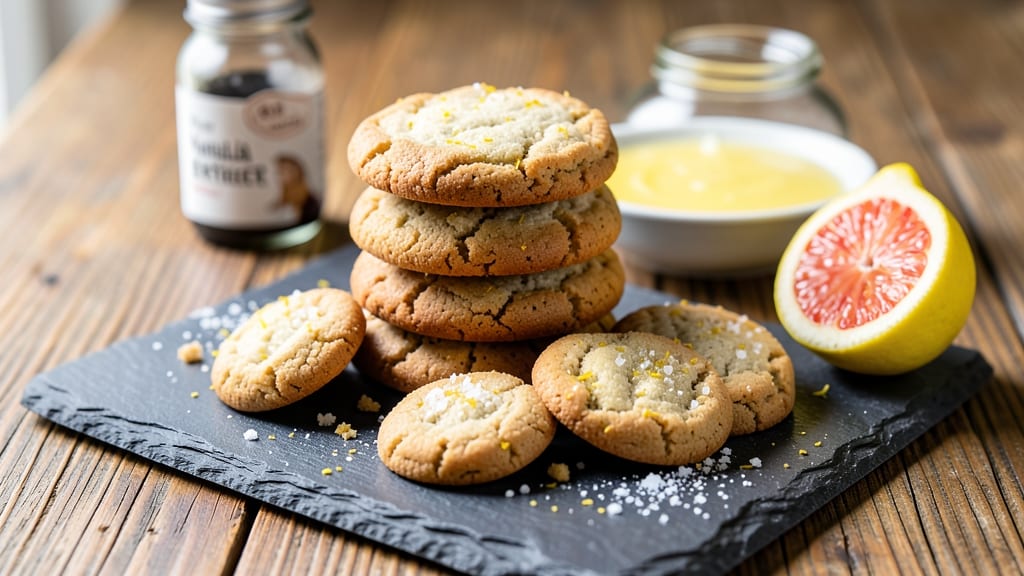
This 123 shortbread cookie recipe delivers the perfect balance of buttery richness and crisp texture that stays fresh for days—no one will believe it’s homemade. The secret lies in the ratio of cold butter to flour, creating those signature delicate layers that melt in your mouth yet hold their shape.
I’ve baked these for holidays, gifts, and last-minute cravings, and they never disappoint.
What makes these shortbreads exceptional is the simplicity of the ingredients—just butter, flour, sugar, and salt—combined with precise technique. Chilling the dough before cutting ensures clean edges and prevents spreading, while baking at a steady 325°F (163°C) guarantees a golden, crisp finish.
The result? Buttery cookies with a tender crumb and edges that stay crisp for days, even at room temperature.
Once you try these, you’ll want to experiment with variations like chocolate-dipped edges or citrus zest for brightness. They’re perfect for gifting, holiday baking, or satisfying a sweet tooth with minimal effort.
The dough comes together in just 10 minutes, and baking takes about 15 minutes, making them ideal for busy schedules.
The key to success is patience—let the dough rest, cut shapes precisely, and avoid overbaking. These cookies are foolproof, so even beginners will achieve restaurant-quality results. Let’s get started on creating your perfect batch.
Ingredients for 123 shortbread cookie
Four essential ingredients transform into melt-in-your-mouth shortbread cookies with crisp edges that stay fresh for days.
| Ingredient | Amount | Notes |
|---|---|---|
| Unsalted Butter 🧈 | 1 cup | Cold, cut into small cubes |
| All-Purpose Flour 🌾 | 2 cups | Sifted for light texture |
| Granulated Sugar 🍚 | ¼ cup | Superfine preferred for smoothness |
| Kosher Salt 🧂 | ½ tsp | Diamond Crystal preferred |
| Vanilla Extract 🌿 | 1 tsp | Pure, high-quality extract |
| Lemon Zest 🍋 | 1 tsp | Fresh, finely grated |
The butter is your secret weapon here—use cold, unsalted butter straight from the fridge, cut into small cubes. Plugrá or Land O'Lakes are my go-tos for consistent quality, but any high-fat, unsalted brand works. The flour? King Arthur or Gold Medal for that perfect balance of protein and texture. Sift it first—this isn't optional, trust me. The sugar should be fine granulated, but if you've got superfine, use that for a smoother dough. And the salt? Diamond Crystal dissolves better than table salt, giving you that perfect flavor balance.
No vanilla extract? Almond extract at half the amount works in a pinch, though it changes the flavor profile. Short on zest? Substitute with 0.25 tsp lemon juice—it won't be the same, but it adds brightness. The dough comes together in minutes, but don't rush the chilling step. 30 minutes in the fridge ensures clean cuts and prevents spreading. If you're feeling fancy, add 1 tsp of turbinado sugar to the dough for those signature crunchy edges. And if you're making these for gifting, double the batch—they disappear fast.
These cookies keep for up to 1 week in an airtight container at room temperature, though they're best enjoyed within 2-3 days. For longer storage, freeze the dough balls (before baking) for up to 3 months. Baked cookies? Store in layers with parchment paper between them. Pro tip: Bring to room temperature before serving—they taste even better that way. And if you're making them ahead for a party, bake them just before serving so they're at their crispest.
Why You'll Love This Recipe
- Three-Ingredient Magic: I swear, this recipe is the kind of simple that feels like cheating—just butter, sugar, and flour, but with that vanilla whisper making it sing. No eggs, no fuss, no stress. The dough comes together faster than you can say "shortbread."
- Butter-Sugar Bliss: That crispy, melt-in-your-mouth texture? It’s all in the cold butter and sugar. The moment you bite into one, you’ll understand why people pay for fancy shortbread—this delivers the same buttery, slightly sweet perfection without the pretension.
- Holiday Ready: Between us, I’ve used these for Christmas gifts, coffee dates, and even as a last-minute dessert for book club. They freeze beautifully, so you can bake a batch now and pull them out whenever you need a little something special.
- Pantry Staple Power: Honestly, if you’ve got flour and butter, you’ve got shortbread. No weird ingredients, no last-minute grocery runs—just pure, reliable comfort. And because they keep for weeks, I always have a stash for when I need a quick pick-me-up.
Step-by-step instructions for perfect shortbread cookies
Here's how to create melt-in-your-mouth shortbread with that signature buttery crunch that lasts for days.
Cut and Chill the Butter
Take the 1 cup unsalted butter from the refrigerator and cut it into ¼-inch cubes using a sharp chef's knife. This ensures even distribution throughout the dough and prevents melting during mixing. Place the cubes in the freezer for 10 minutes—this extra chill prevents the butter from softening too quickly when you begin combining ingredients.
I always use cold butter for shortbread because it creates those signature flaky layers. If the butter starts to soften prematurely, return it to the freezer for another 5 minutes. The goal is to maintain that firm texture until the dough comes together—this is what gives shortbread its iconic texture.
Mix Dry Ingredients Thoroughly
In a medium bowl, whisk together the 2 cups all-purpose flour, 0.25 cup granulated sugar, 0.5 teaspoon kosher salt, 1 teaspoon vanilla extract, and 1 teaspoon lemon zest. The lemon zest adds a bright, citrusy note that cuts through the richness of the butter. Use a fine-mesh sieve to sift the flour and sugar if possible—this prevents lumps and ensures a lighter texture in the finished cookies.
Mix these dry ingredients until completely combined, breaking up any remaining clumps. The sugar should be evenly distributed throughout the flour mixture. This step is crucial because any uneven distribution will result in cookies with varying sweetness and texture. Set this mixture aside while you prepare the butter.
Combine Butter and Dry Ingredients
Add the chilled butter cubes to the bowl with the dry ingredients. Using your fingers or a pastry cutter, work the butter into the flour mixture until the texture resembles coarse crumbs with pea-sized butter pieces remaining. This process should take about 2-3 minutes of gentle rubbing between your fingers. The butter should still be firm—if it begins to melt too quickly, return the bowl to the refrigerator for 5 minutes to reset.
This step creates the signature shortbread texture. The butter pieces will melt slightly during baking, creating those beautiful, delicate layers. Press the mixture together lightly—it should hold its shape when you squeeze it, but still feel slightly crumbly. If it's too dry, add 1 teaspoon ice water and mix again.
Shape and Chill the Dough
Press the dough into a 1-inch thick disk and wrap it tightly in plastic wrap. Place it in the refrigerator for at least 1 hour (or up to 24 hours for best results). Chilling is essential—it firms up the butter, making it easier to handle and preventing the cookies from spreading too much during baking. This resting period also allows the flour to fully hydrate, resulting in a more tender cookie.
Real talk: Don't skip this step. I've learned the hard way that rushed shortbread often turns out greasy or dense. The longer you chill the dough, the better the final texture will be. For even more flavor, you can add a pinch of citrus zest to the dough during this step if you have extra.
Roll, Cut, and Bake to Golden Perfection
Preheat your oven to 325°F and line two baking sheets with parchment paper. Roll out the chilled dough to ¼-inch thickness on a lightly floured surface. Use a 2½-inch round cutter to cut out cookies, gently re-rolling the scraps between cuts. Place the cut cookies 1 inch apart on the prepared baking sheets—they won't spread much, but giving them space ensures even baking.
Bake for 15-18 minutes until the edges are just beginning to turn golden brown. The centers should still look slightly pale—shortbread continues cooking as it cools. Rotate the baking sheets halfway through for even browning. Remove the cookies when they're light golden—they'll firm up as they cool.
Cool and Enjoy the Crispy Result
Let the cookies cool on the baking sheets for 10 minutes before transferring them to a wire rack to cool completely. This gradual cooling prevents them from becoming too soft. The cookies should be crisp on the outside with a tender, melt-in-your-mouth interior—that's the hallmark of perfect shortbread.
Store in an airtight container at room temperature for up to 5 days, or freeze for up to 3 months. The longer they sit, the more the flavors develop and the crisper they become. These cookies stay fresh for days, making them perfect for gifting or enjoying with tea whenever the mood strikes.
Pro Tips For Making 123 Shortbread Cookie
- Chill the Dough Properly: I learned this the hard way—skipping the fridge makes for sad, greasy cookies. Wrap the dough in plastic and refrigerate for at least 2 hours (overnight is even better), or your butter won’t hold its shape when baking. Trust me, the wait is worth it for those crisp edges.
- Use Cold Butter: No need to soften that butter—keep it rock-hard when mixing. Cold butter creates flaky layers that melt into perfect pockets of flavor. If your kitchen’s warm, chill the butter for 10 minutes before cutting into the flour. Your cookies will thank you with that signature shortbread crumble.
- Don’t Overwork the Dough: Once the dough comes together, resist the urge to knead it like bread. A few gentle folds are all you need—overmixing develops gluten, and suddenly you’ve got chewy cookies instead of melt-in-your-mouth shortbread. Keep it light and buttery.
- Bake Until Golden, Not Pale: Shortbread’s done when the edges are just starting to turn golden, not when the centers look set. Pull them out a minute early—they’ll firm up as they cool. Overbaking turns them dry; underbaking leaves them gummy. A toothpick test works, but so does your nose: that buttery aroma means they’re ready.
Creative variations of this 123 shortbread cookie
Citrus Twist
Brighten your shortbread with 1 tablespoon orange zest or 1 teaspoon lime zest instead of lemon. The citrus oils infuse the butter beautifully, creating a zesty contrast to the richness. For extra pop, add ½ teaspoon citric acid (found in baking aisles) to intensify the flavor.
These work especially well with white chocolate chunks baked into the dough for a festive touch. 🍊
Spiced Shortbread
Warm up your cookies with ½ teaspoon cinnamon and ¼ teaspoon cardamom mixed into the dry ingredients. For a smoky twist, add ¼ teaspoon smoked paprika—it pairs surprisingly well with the buttery base.
I love this variation with dark chocolate drizzle after baking for a sophisticated flavor profile. Store-bought spice blends like Pumpkin Pie Spice also work in a pinch.
Chocolate-Dipped Edges
After baking, let the cookies cool completely, then dip the edges in melted dark chocolate (70% cacao or higher). For a showstopper effect, sprinkle with flaky sea salt or crushed hazelnuts while the chocolate is still wet.
This technique adds a luxurious touch with minimal effort—just 2 minutes per batch of cooling time saved by working in small batches. 🍫
Herb-Infused Variations
Swap the vanilla for 1 teaspoon dried rosemary or 1 teaspoon lavender buds (culinary-grade only) for an unexpected herbal note. Fresh herbs like thyme or mint work too—just finely chop them and mix into the dough.
These pair wonderfully with honey drizzle instead of sugar for a sophisticated twist. For a festive touch, add edible gold leaf after baking for holiday gifting.
Savory Shortbread
Yes, you read that right! Replace the sugar with ½ teaspoon onion powder and ½ teaspoon garlic powder, then add 1 tablespoon grated Parmesan cheese. These make perfect bites for cheese boards or cocktail pairings.
For extra crunch, sprinkle with everything bagel seasoning before baking. The buttery texture remains, but the savory notes create a completely different experience. 🧀
Seasonal Adaptations
For fall, add 1 teaspoon pumpkin pie spice and top with mini chocolate chips shaped like leaves. In winter, infuse with 1 teaspoon ginger and ½ teaspoon clove for a spiced twist.
Spring calls for 1 teaspoon poppy seeds and a touch of almond extract—the floral notes complement the butter perfectly. Each variation keeps the classic texture while celebrating the season. 🍂
Nutrition facts
Frequently asked questions
Why does my shortbread dough keep crumbling?
This happens when the butter melts too quickly during mixing. Always use cold butter and keep your ingredients chilled. Work fast but gently, and if the dough feels too dry, add just 1 teaspoon ice water at a time. The dough should hold together when pressed lightly but still feel slightly crumbly—this is normal!
Can I make shortbread without butter?
Traditional shortbread relies on butter for its signature texture, but you can substitute with 1 cup cold coconut oil or 1 cup shortening for a dairy-free version. The cookies will have a slightly different texture—less flaky but still tender. For best results, chill the dough longer (2 hours) to compensate for the lack of butter's fat content.
How do I prevent my shortbread from spreading?
Proper chilling is key! Always refrigerate the dough for at least 1 hour before rolling. Use a ¼-inch thick cutter and place cookies 1 inch apart on the baking sheet. Bake at 325°F (163°C)—higher temps cause spreading. For extra insurance, freeze the dough disk for 30 minutes before rolling.
What's the best way to store shortbread?
Keep them crisp by storing in an airtight container with parchment paper between layers. They stay fresh for 5-7 days at room temperature. For longer storage, freeze unbaked dough balls for up to 3 months or baked cookies for 2 months. Let them come to room temperature before serving—they taste best when slightly crisp!
Can I use a food processor for shortbread?
Yes, but pulse quickly! Combine dry ingredients first, then add cold butter in 2-second pulses until pea-sized pieces remain. Over-processing melts the butter, making the dough greasy. For best texture, use your fingers or a pastry cutter instead—it gives you more control over the butter distribution.