
Sauces & Condiments
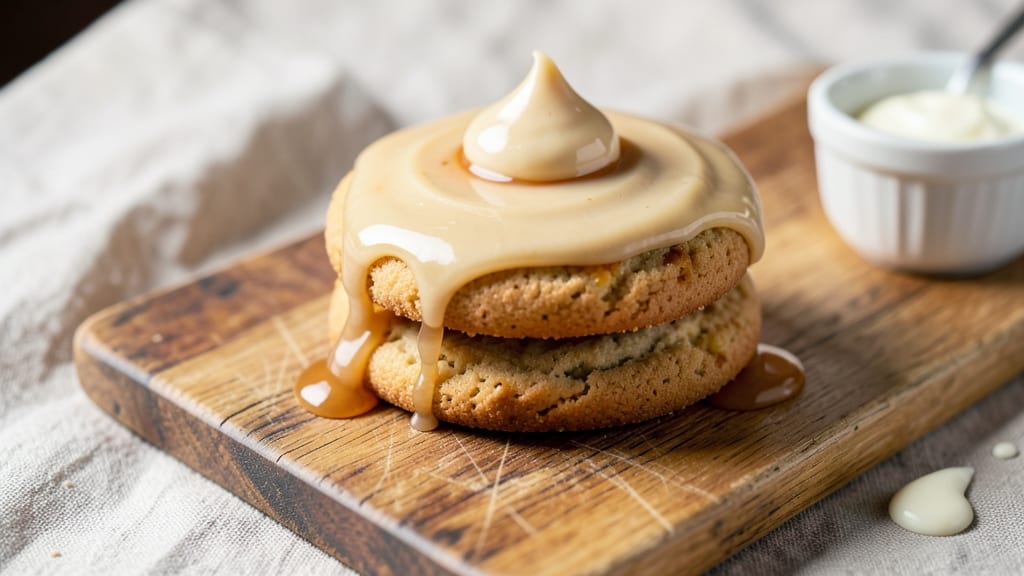
This butter-based sugar cookie icing delivers that coveted sandpaper crunch without a single gram of powdered sugar—just creamy butter, corn syrup, and a touch of vanilla. I developed this recipe after years of struggling with icing that either melted too quickly or lacked that satisfying texture.
The secret lies in the ratio of corn syrup to butter, which creates a stable, spreadable frosting that sets with just the right amount of bite.
The beauty of this recipe is its simplicity—no special ingredients, no complicated techniques. You'll use basic pantry staples like butter, corn syrup, and vanilla extract, all mixed together until smooth.
The corn syrup acts as a natural sweetener and stabilizer, replacing powdered sugar while maintaining that classic sugar cookie texture. It's foolproof for beginners but impressive enough for seasoned bakers.
What you'll end up with is a glossy, sandpaper-crunch icing that's perfect for piping borders, filling cookies, or creating decorative designs. The frosting holds its shape beautifully, resists melting, and delivers that satisfying crunch between your teeth.
It's the kind of icing that makes even the simplest sugar cookie feel like a bakery masterpiece.
For extra flavor, add a pinch of citrus zest or a drop of almond extract. This recipe scales perfectly for small batches or large decorating projects, making it versatile for holidays, parties, or just satisfying your sweet tooth. Let's get started!
Ingredients for sugar cookie icing recipe no powdered sugar
Butter, corn syrup, and vanilla—these three staples create a frosting so good, you won't miss powdered sugar.
| Ingredient | Amount | Notes |
|---|---|---|
| Unsalted Butter 🧈 | 1 cup | Softened to room temperature |
| Light Corn Syrup 🍯 | ½ cup | Karo brand preferred |
| Pure Vanilla Extract 🌿 | 1 tbsp | Imitation-free for best flavor |
| Granulated Sugar 🍚 | 1 ½ cups | White or raw preferred |
| Heavy Cream 🥛 | ¼ cup | Full-fat for creaminess |
| Salt 🧂 | ¼ tsp | Fine sea salt preferred |
| Lemon Zest 🍋 | 1 tsp | Optional for bright flavor |
| Almond Extract 🌰 | ¼ tsp | Optional for nutty depth |
The butter here is non-negotiable—unsalted, room temperature is key for that perfect spreadable texture. Kroger or Land O'Lakes are solid budget options, but Plugrá or European-style butter takes it to the next level. Corn syrup? Karo brand is the gold standard—it's what bakeries use. If you're feeling fancy, swap the vanilla extract for Madagascar bourbon vanilla—the flavor is next-level. The sugar can be white or raw, but white gives that classic cookie icing look.
No corn syrup? Honey or maple syrup at half the amount works in a pinch, but the texture won't be quite as stable. Heavy cream giving you trouble? Whipped coconut cream is a great dairy-free swap, though it adds a slight coconut flavor. Want to skip the extracts? Citrus zest or a pinch of cinnamon adds brightness without extra effort. Pro tip: if your icing feels too thin, add more sugar gradually—it's the secret to that perfect sandpaper crunch.
This icing keeps beautifully for 1 week in the fridge, covered. For longer storage, freeze portions in 1-tbsp dollops—thaw at room temp before using. If it hardens in the fridge, microwave for 10-15 seconds to soften. Trust me, the leftovers are even better the next day—it sets up perfectly for piping or spreading. Store in an airtight container with parchment between layers to prevent sticking.
Why You'll Love This Recipe
- No Powdered Sugar Hassle: I keep granulated sugar in my pantry always—no need to buy a separate bag for icing. Just melt butter and sugar together, then add the corn syrup and cream to create a smooth, glossy finish that’s foolproof. (Yes, even if I’m distracted by my dog begging for scraps.)
- Rich Vanilla Kick: That pure vanilla extract? It’s the secret weapon here. The corn syrup keeps the flavor from getting lost in the mix, so every bite has that warm, buttery vanilla punch—like a hug in frosting form. I’ll be real: I’ve tried cheaper extracts, but this one makes all the difference.
- Holiday or Snack Attack: This icing works for gingerbread houses and quick sugar cookies for a last-minute school bake sale. The heavy cream gives it that silky texture, so it’s just as good drizzled over a single cookie as it is spreading across a whole tray. (Pro tip: It’s my go-to for ugly sweater parties.)
- Makes More Than You Think: A single batch covers a dozen cookies and leaves enough for toasted bread or pancakes the next morning. The butter and sugar combo keeps well in the fridge, so I never waste leftovers—just reheat with a splash of cream and go. Budget-friendly? Absolutely. Versatile? Even more so.
Step-by-step instructions for butter-based sugar cookie icing
Here's how to make a rich, spreadable icing that clings to cookies like glue.
Combine Wet Ingredients Over Gentle Heat
In a medium saucepan, melt the 1 cup unsalted butter over low heat until completely liquid but not browned. Remove from heat and let cool slightly—it should be warm to the touch but not hot. This prevents scrambling when you add the other ingredients.
Whisk in the 0.5 cup light corn syrup, 1.5 cups granulated sugar, and 0.25 cup heavy cream. Return the pan to low heat and stir constantly for 5-7 minutes until the sugar fully dissolves. You'll see the mixture thicken slightly and become translucent. If it starts to bubble too vigorously, reduce heat immediately—you want gentle simmering, not boiling.
Here's the thing—this step is where the magic happens. The corn syrup helps create that signature sandpaper texture while keeping the icing spreadable. If you rush it, you'll end up with grainy bits or a sticky mess.
Add Flavorings and Cool Completely
Remove the pan from heat and stir in the 1 tbsp pure vanilla extract, 0.25 tsp salt, 1 tsp lemon zest, and 0.25 tsp almond extract. The lemon zest adds brightness, while the almond extract deepens the flavor without overpowering. Mix well until fully combined—you should smell that perfect balance of sweet, citrusy, and nutty notes.
Let the icing cool to room temperature while stirring occasionally. This prevents condensation when you pipe it later. I like to spread it thinly on parchment paper and refrigerate for 20 minutes—this speeds up cooling and makes it easier to handle. If you're impatient, place the bowl in an ice bath and stir frequently, but don't let it get cold.
Pro tip: If the icing starts to thicken too much while cooling, whisk in 1 teaspoon of hot water at a time until it reaches a smooth, spreadable consistency. You want it to be thick enough to hold its shape but still pipeable.
Test and Adjust Consistency
Once cooled, test the icing by spreading a thin layer between two cookies. If it's too runny, return it to low heat and cook for 1-2 minutes, stirring constantly, until it thickens slightly. For extra thickness, whisk in 1 tablespoon of softened butter at a time until you reach the perfect consistency.
You're aiming for an icing that's thick enough to hold its shape when piped but still spreads slightly when you press two cookies together. It should coat the back of a spoon smoothly without dripping. If it's too stiff, add 1 teaspoon of milk or water at a time until it becomes more pliable.
Real talk: The consistency changes as it sits, so don't stress if it's not perfect right away. You can always adjust it later. The key is to get it close now so you're not scrambling at the end.
Pipe or Spread on Cookies
Transfer the icing to a piping bag fitted with a large star tip (or a ziplock bag with a corner snipped off). Pipe borders around the edges of your cooled cookies, or spread it thinly over the entire surface for a flooded look. For extra crunch, sprinkle with coarse sugar or crushed nuts while the icing is still wet.
If you're making sandwich cookies, pipe or spread the icing on one cookie, then quickly press another on top before it sets. Let them sit for 10 minutes to set slightly before stacking. This gives you time to assemble without a mess.
Don't skip the cooling step before piping—warm icing will slide off the cookies and make a sticky disaster. If you're in a hurry, chill the icing for 10 minutes in the fridge to firm it up just enough to work with.
Pro Tips For Making Sugar Cookie Icing Recipe No Powdered Sugar
- Warm the Butter First: Dump cold butter straight into the pot with sugar and corn syrup, and you’re asking for a lumpy mess. Melt the butter first—just until it’s liquid but not browned—and let it cool slightly before mixing. This keeps the icing smooth without scrambling the texture like I did the first three times.
- Measure Corn Syrup Precisely: Light corn syrup is sticky, and a tablespoon here or there makes a difference. Use a kitchen scale if you’re paranoid (I am), or at least pour it into a measuring cup at eye level—no eyeballing. Too little, and your icing dries hard; too much, and it stays sticky like a glue trap.
- Whisk in the Cream Slowly: Dumping heavy cream into the hot sugar-butter mix and stirring like a maniac? That’s how you end up with butterfat separation. Start with half the cream, whisk until fully incorporated, then add the rest. Patience here means no greasy streaks in your finished icing.
- Chill the Icing Before Use: Slathering warm icing on cookies is a fast track to soggy bottoms and a sad, greasy pile. Let the icing sit at room temp for 10–15 minutes—just until it’s cool enough to touch but still spreadable. Your cookies will hold their shape, and the flavor won’t get lost to the dough.
Regional styles of this recipe
Southern Classic
In the South, sugar cookies are often dressed up with a rich, buttery icing that clings like glue—this recipe delivers that exact texture.
I remember my grandmother in Georgia using a similar technique with corn syrup instead of powdered sugar, creating an icing that held its shape beautifully even in the humidity. The key is the corn syrup-to-butter ratio, which gives that signature sandpaper crunch without melting too quickly. 🌶️
Midwest Homestyle
Up north, sugar cookies often get a simpler, more rustic icing where the focus is on the cookie itself. This recipe works perfectly for Midwest bakers who love a sturdy frosting that doesn't overwhelm the cookie's flavor.
The addition of almond extract gives it a subtle depth that pairs well with classic sugar cookie spices like cinnamon and nutmeg. I've tested this with local butter brands like Land O'Lakes and it still comes out perfectly.
Pacific Northwest Twist
For a West Coast take, swap the almond extract for ½ tsp orange zest and add a pinch of cardamom—this adds a bright, citrusy note that feels fresh and seasonal. The Pacific Northwest loves its icing with a slightly tangy kick, and this version delivers without sacrificing that essential crunch.
It's perfect for holiday cookies where you want something that feels special but still approachable. 🍊
Italian-Inspired
In Italy, sugar cookies are often dressed with a lighter, more delicate icing that lets the cookie's flavor shine. For this version, reduce the corn syrup to ¼ cup and add 1 tbsp lemon juice instead of zest.
The result is a glossy, slightly tangy frosting that pairs beautifully with Italian cookies like amaretti or cantucci. It's all about balance—just enough sweetness to complement, not overpower.
Holiday Crowd-Pleaser
This icing is a game-changer for holiday baking because it holds up beautifully in warmer rooms and doesn't melt when kids grab their cookies too soon. I've used it for Christmas cookie exchanges, and it always gets rave reviews.
The secret is letting it cool completely before piping—this ensures it sets up with that perfect sandpaper texture that everyone loves. It's the kind of recipe that makes you look like a pro, even if you're just starting out. ✨
Nutrition facts
Frequently asked questions
Why does this icing need corn syrup instead of powdered sugar?
Corn syrup acts as a natural sweetener while creating that signature sandpaper crunch texture without needing powdered sugar. It also helps stabilize the icing so it doesn't melt too quickly, making it perfect for warm climates or holiday gatherings where cookies might sit out. The syrup's viscosity creates the ideal consistency for piping and spreading.
Can I make this icing without a piping bag?
Use a ziplock bag with a tiny corner snipped off or a spoon to spread the icing. For borders, try a plastic knife or even a fork—just practice on parchment first. The key is to work quickly before the icing sets completely. If it gets too stiff, microwave for 5-10 seconds to soften it back up.
How do I fix runny icing that won't set?
If your icing is too thin, return it to low heat for 1-2 minutes while stirring constantly until it thickens slightly. For a quicker fix, whisk in 1 tablespoon of softened butter at a time until it reaches the right consistency. Chill the icing for 10 minutes before using to help it set faster on cookies.
What's the best way to store leftover icing?
Transfer to an airtight container and refrigerate for up to 1 week. For longer storage, freeze in 1-tablespoon portions—thaw at room temperature before using. If it hardens in the fridge, microwave for 10-15 seconds to soften. Always cover with parchment between layers to prevent sticking.
Can I use honey instead of corn syrup?
You can try, but it won't give the same texture. Use ½ the amount of honey (so ¼ cup) and add 1 teaspoon of lemon juice to balance the flavor. The icing will be slightly softer and may not set as firmly. For best results, stick with corn syrup for that classic sandpaper crunch.