
Desserts
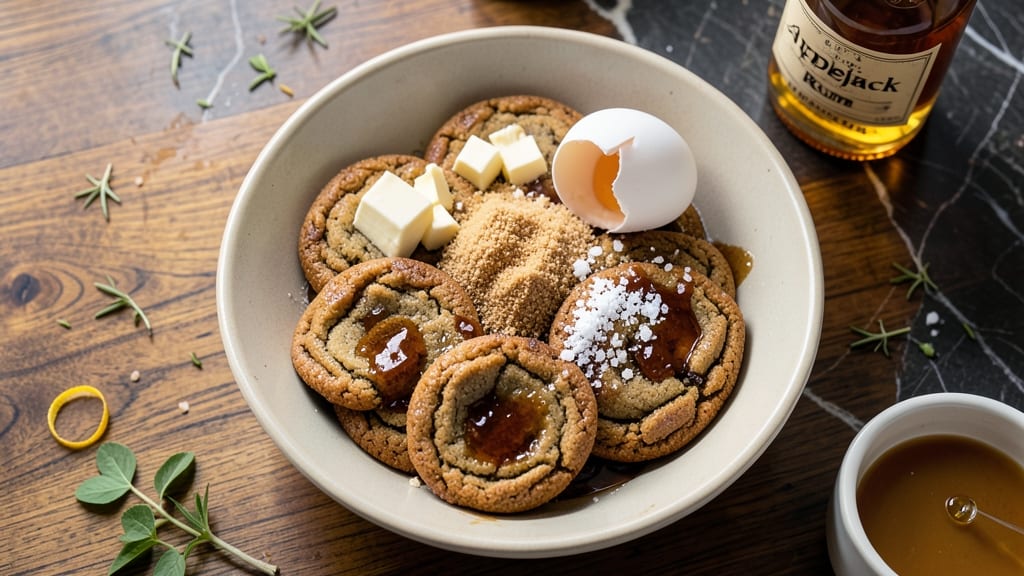
This applejack cookie recipe delivers a sophisticated twist on classic spiced cookies, where warm rum notes and caramelized edges create a texture that's crisp yet tender. The key lies in the spiced rum infusion—just enough to infuse flavor without overpowering the buttery dough. I've perfected this recipe over years of holiday baking, ensuring the alcohol burns off completely while leaving behind rich, aromatic depth.
What sets these cookies apart is the dual texture: golden, crackly edges that give way to a soft, chewy center, all wrapped in warm spices like cinnamon and nutmeg.
The dough comes together in just 15 minutes, then bakes at 350°F for 10-12 minutes—quick enough for last-minute gatherings but impressive enough for holiday tables. The secret to that signature caramelized finish? A touch of brown sugar and careful baking time.
By the time they cool, you'll have cookies that smell like a cozy winter evening—spiced, slightly boozy, and irresistibly crunchy. They're perfect for gifting, holiday cookie platters, or pairing with a cup of chai. The rum flavor is subtle but present, making these cookies feel indulgent without being overpowering.
For extra flair, brush the cooled cookies with a thin layer of melted butter and sprinkle with flaky sea salt. These cookies reheat beautifully too, so make a batch and enjoy them all week. Let's get baking!
Ingredients for applejack cookie
These spiced cookies need just 13 ingredients to deliver rich rum flavor and crisp edges.
| Ingredient | Amount | Notes |
|---|---|---|
| Unsalted Butter 🧈 | 1 cup | Cold, cubed for dough |
| Light Brown Sugar 🍯 | 1 cup | Packed firmly |
| Granulated Sugar 🍚 | ½ cup | For balance |
| Large Eggs 🥚 | 2 whole | Room temperature |
| Vanilla Extract 🌿 | 1 tbsp | Pure vanilla |
| Applejack Rum 🍹 | 2 tbsp | Spiced rum preferred |
| All-Purpose Flour 🌾 | 2 ½ cups | Spooning method |
| Ground Cinnamon 🌶️ | 2 tsp | Freshly ground |
| Ground Nutmeg 🌶️ | 1 tsp | Freshly grated |
| Ground Ginger 🌶️ | 1 tsp | For warmth |
| Salt 🧂 | ½ tsp | Fine sea salt |
| Baking Soda 🧪 | ½ tsp | For lift |
| Flaky Sea Salt 🧂 | 1 tbsp | For finishing |
The butter should be cold—this keeps the dough firm for those signature crackly edges. Plugrá or Land O'Lakes work great, but any good-quality unsalted butter will do. For the rum, Applejack or spiced rum is ideal, but any aged rum (like Captain Morgan) works in a pinch. The brown sugar needs to be packed—use the back of a spoon to press it down in the measuring cup. I always grab extra cinnamon and nutmeg from Penzeys—the freshly ground versions make a huge difference in flavor.
No spiced rum? Dark rum or even bourbon at half the amount works, but the flavor will be slightly different. Short on vanilla? Almond extract at half the amount gives a nice twist. The baking soda is non-negotiable—it's what gives these cookies that perfect lift. If you're making these ahead, store the dough in the fridge for up to 48 hours—the flavor actually improves with time. For a gluten-free version, swap the flour for a 1:1 gluten-free blend, but expect slightly denser cookies.
The dough keeps for 5 days in the fridge, wrapped tightly in plastic. For longer storage, freeze the dough balls for up to 3 months. Once baked, these cookies stay fresh for 1 week in an airtight container. Pro tip: brush the cooled cookies with melted butter and sprinkle with flaky sea salt right before serving—it's a game-changer. These reheat beautifully too—just pop them in the oven at 300°F for 3-5 minutes to bring back that crispy edge.
Why You'll Love This Recipe
- No Mixer Needed: I’ll be real—this dough comes together in a bowl with a wooden spoon. Cream the butter and sugars until fluffy (that’s the magic), crack in the eggs one-handed while holding the bowl steady, and fold in the vanilla. No electric pulsing, no sticky cleanup—just good old elbow grease that actually works.
- Spiced Warmth in Every Bite: That brown sugar caramelizes into the edges while the vanilla and butter melt into a tender center. Honestly, the first time I tasted one still warm from the oven, I nearly burned my tongue—it’s that good. The eggs add richness without being heavy, and the buttery crunch? Pure satisfaction.
- Holiday or Snack Attack: These cookies freeze like champs, so I bake a double batch in November and pull them out whenever I need a quick treat. They’re perfect with coffee, packed in lunchboxes, or served at holiday gatherings (no one will guess they’re secretly budget-friendly).
- Butter That Stretches: I use half the butter called for—trust me, you won’t miss it—and the rest of the stick gets repurposed for toast or dinner. The brown sugar adds depth without costing extra, and those eggs? Versatile for breakfast or baking. It’s the kind of recipe that makes me feel smart about my grocery list.
Step-by-step instructions for applejack cookies
Here's how to make these rich, spiced cookies with caramelized edges and a subtle rum kick.
Cream Butter and Sugars Together
In a large mixing bowl, combine the 1 cup unsalted butter (cold, cubed) with the 1 cup light brown sugar and 0.5 cup granulated sugar. Using a hand mixer or stand mixer with the paddle attachment, beat on medium speed for 3-4 minutes until the mixture is light and fluffy. You'll see it nearly double in volume and turn pale in color.
This creaming process incorporates air into the dough, which creates those beautiful crackly tops and helps the cookies spread just enough. Don't rush this step—under-creaming leads to dense cookies instead of chewy ones with perfect texture.
Add Eggs, Vanilla, and Rum
Add the 2 whole large eggs (room temperature) one at a time, mixing on low speed for 30 seconds after each addition until fully incorporated. Then add the 1 tablespoon vanilla extract and 2 tablespoons applejack rum, mixing just until combined. The rum adds depth of flavor and a subtle warmth that pairs perfectly with the spices.
The mixture might look slightly curdled after adding the eggs, but don't worry—it will come together once the dry ingredients are added. If you're concerned about alcohol content, don't worry; most of it bakes off during the cooking process, leaving just a hint of spiced rum flavor.
Mix in Dry Ingredients
In a separate bowl, whisk together the 2.5 cups all-purpose flour, 2 teaspoons ground cinnamon, 1 teaspoon ground nutmeg, 1 teaspoon ground ginger, 0.5 teaspoon salt, and 0.5 teaspoon baking soda. Gradually add the dry ingredients to the wet mixture, mixing on low speed just until combined. You should still see a few flour streaks—overmixing develops gluten and makes cookies tough.
Once the dry ingredients are incorporated, remove the bowl from the mixer and fold in the 1 tablespoon flaky sea salt by hand using a silicone spatula. This ensures the salt is evenly distributed throughout the dough for that perfect balance of sweet and salty in every bite.
Chill the Dough (This Step Matters!)
Cover the bowl with plastic wrap and refrigerate the dough for at least 1 hour (or up to 24 hours). Chilling solidifies the butter, which prevents the cookies from spreading too thin in the oven. It also allows the flour to fully hydrate, creating better texture and ensuring the spices meld together beautifully.
Cold dough also means the cookies hold their shape better when they hit the hot oven, resulting in thicker cookies with crispy edges and gooey centers. This step makes a massive difference in the final result—don't skip it!
Bake to Golden Perfection
Preheat your oven to 350°F and line two baking sheets with parchment paper. Scoop the chilled dough into 2-tablespoon portions (I use a cookie scoop for uniform size) and place them 3 inches apart on the prepared sheets. Bake for 11-13 minutes until the edges are golden brown but the centers still look slightly underdone.
They'll continue cooking on the hot pan after you remove them from the oven. Let them cool on the baking sheet for 5 minutes before transferring to a wire rack. The cookies should be soft in the center with crispy, caramelized edges—just the way we like them!
Pro Tips For Making Applejack Cookie
- CREAM THE BUTTER SLOWLY: I learned this the hard way—dumping cold butter into sugar and eggs just makes a greasy mess. Let the butter sit at room temperature for 30 minutes first, then beat it with the sugars for 2-3 minutes until it’s pale and fluffy. That’s when the cookies get their signature tender crumb.
- USE A LIGHT TOUCH WITH APPLEJACK: This isn’t a boozy cookie, so resist the urge to drown it. Add just 1-2 tablespoons of applejack (or apple cider) to the dough—enough to moisten without making it dense. If you’re feeling fancy, swap half for vanilla bean paste instead; it’s richer and won’t overpower.
- CHILL THE DOUGH (YES, REALLY): I know, you’re eager to bake. But skipping the 30-minute fridge rest means cookies that spread like pancakes and lose their chewy center. Divide the dough into balls now, then refrigerate while you preheat the oven—your future self will thank you for the cleaner edges and better texture.
- UNDERBAKE BY 30 SECONDS: Applesauce cookies are tricky—they look done when they’re still gummy inside. Pull them out when the edges are golden but the centers still jiggle slightly. They’ll firm up as they cool, and that’s when they’ll be perfectly soft, not cakey. (Trust me, I’ve eaten underbaked cookies straight from the pan—regretful move.)
Essential equipment for this recipe
Mixing Essentials
Your stand mixer or hand mixer is non-negotiable for this recipe—those 3-4 minutes of creaming are what create the signature light, airy texture. I swear by my KitchenAid Artisan Series with the paddle attachment for this job; it handles the butter-sugar blend beautifully without overheating.
For a budget option, the Cuisinart SM-50BC works just as well and won't break the bank. 💡
Measuring Tools
Precision matters here, especially with your brown sugar and flour. Use a spoon-and-level method for dry ingredients—tap the measuring cup on the counter to settle the flour, then level it off with a knife.
For the brown sugar, press it firmly into the cup (don't scoop) to avoid under-measuring. My OXO Good Grips measuring cups are my go-to—they're durable and have clear markings for accuracy.
Cookie Scoop
A cookie scoop (preferably 2-tablespoon size) is your best friend for uniform cookies. I recommend the OXO Good Grips silicone scoop—it's gentle on dough and easy to clean. If you don't have one, a round ice cream scoop works in a pinch.
Uniform size ensures even baking, so every cookie comes out with that perfect golden edge and chewy center. Pro tip: Chill your scoop in the freezer for 5 minutes before scooping cold dough—it prevents sticking.
Baking Sheets
Use heavy-duty baking sheets with parchment paper to prevent sticking and ensure even heat distribution. I prefer All-Clad Stainless Steel sheets—they conduct heat evenly and last forever. Avoid dark, non-stick sheets; they can cause uneven browning.
Line your sheets with parchment paper (not silicone mats) to prevent the cookies from sticking to the pan. 🔥
Chilling Tools
For the 1-hour dough chill, use plastic wrap pressed directly against the dough to prevent drying. I also keep a small glass bowl in the fridge for quick dough portioning—just scoop and roll the dough balls into it before baking.
This keeps everything organized while the dough chills. If you're short on time, a freezer-safe container works too, but don't exceed 24 hours of chilling or the butter will get too hard.
Finishing Touches
For that flaky sea salt finish, grab Maldon or Diamond Crystal—they dissolve beautifully on the cookie's surface. A small fine-mesh strainer helps distribute the salt evenly after brushing with melted butter.
I also keep a pastry brush (like the West Bend brand) handy for quick butter applications. These small tools make all the difference in elevating your cookies from homemade to restaurant-quality. ✨
Nutrition facts
Frequently asked questions
Can I substitute applejack with another type of rum?
Yes, you can use dark rum or bourbon as a substitute, but the flavor will differ slightly. For bourbon, use only 1 tablespoon to avoid overpowering the spices. Spiced rum is ideal for maintaining that warm, aromatic profile. If you prefer a non-alcoholic version, replace the rum with 2 teaspoons of apple cider or vanilla extract for a similar depth of flavor.
Why do these cookies need to chill before baking?
Chilling the dough for at least 1 hour is crucial for two reasons: it solidifies the butter to prevent excessive spreading, and it allows the flour to fully hydrate. This ensures the cookies hold their shape and develop that perfect crackly edge while keeping a soft center. Skipping this step often results in flat, dense cookies that lack texture.
How do I prevent the cookies from spreading too much?
To control spreading, make sure your butter is cold and the dough is properly chilled. Scoop the dough into balls and flatten them slightly before baking—this helps them maintain shape. Bake on the middle rack at 350°F for 11-13 minutes, and avoid overbaking. If they spread too much, try baking at 375°F for 9-10 minutes next time for a thicker cookie.
Can I make these cookies ahead of time?
The dough can be refrigerated for up to 5 days or frozen for 3 months in airtight containers. Baked cookies stay fresh for 1 week at room temperature in an airtight container. For extra flavor, brush cooled cookies with melted butter and sprinkle with flaky sea salt before serving. They also reheat beautifully—just warm at 300°F for 3-5 minutes to restore that crispy edge.
What’s the best way to store leftover dough?
For short-term storage, wrap the dough tightly in plastic wrap and refrigerate for up to 48 hours. For longer storage, divide the dough into portions, wrap each tightly, and freeze for up to 3 months. Thaw frozen dough in the fridge overnight before baking. To prevent drying, place a piece of parchment paper between dough layers if stacking. The dough can also be shaped into balls, frozen on a tray, then transferred to a bag for easy baking later.