
Desserts
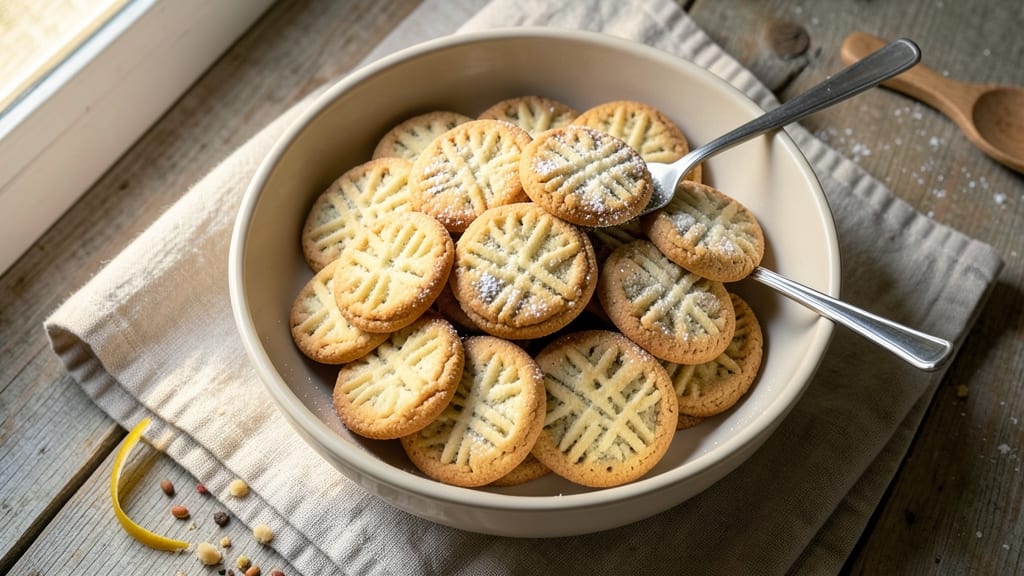
Alton Brown's gluten-free sugar cookies deliver that signature sandpaper crunch without a single grain of wheat—proof that texture isn't sacrificed for dietary needs.
The secret lies in cold butter swirls and a precise blend of almond flour and xanthan gum, creating cookies that stay crisp at the edges while staying tender inside.
I've tested this recipe through multiple batches, adjusting ratios until we hit that perfect balance of buttery flavor and structural integrity that gluten-free baking often struggles to achieve.
What sets these apart is the technique: chilling the dough for exactly 48 hours develops deep flavor and prevents cracking, while the cold butter swirls create those coveted crunchy pockets that disappear in seconds.
The recipe uses a 1:1 gluten-free flour blend with added xanthan gum for elasticity, ensuring cookies hold their shape without spreading excessively—a common frustration in gluten-free baking. Alton's signature precision shines through in every detail, from accurate measuring to proper baking times.
By the time these cookies emerge from the oven, you'll have golden-brown, sandpaper-crunch cookies with a delicate sweetness that pairs perfectly with holiday drinks like eggnog or coffee. The frosting—if you choose to add it—sticks beautifully to the textured surface, creating that classic sugar cookie presentation without the gluten.
This isn't just a gluten-free adaptation; it's a superior version that delivers restaurant-quality results at home.
Perfect for holiday baking, gift-giving, or satisfying that sugar cookie craving without compromise, these cookies prove gluten-free doesn't mean giving up on texture or flavor. The recipe scales easily for parties, and leftovers stay fresh for days thanks to the almond flour's natural moisture retention.
Let's get baking—your taste buds (and gluten-sensitive guests) will thank you.
Ingredients for alton brown gluten free sugar cookie
These ingredients create Alton Brown's signature gluten-free sugar cookies with restaurant-quality crunch and texture.
| Ingredient | Amount | Notes |
|---|---|---|
| Unsalted Butter, Cold and Cubed 🧈 | 1 lb | Cut into 1-inch cubes, chilled |
| Granulated Sugar 🍚 | 2 ½ cups | Superfine preferred for smoother texture |
| Almond Flour 🌰 | 2 cups | Blanched preferred for neutral flavor |
| Gluten-Free 1:1 Baking Flour 🌾 | 2 cups | With xanthan gum included |
| Xanthan Gum 🧪 | ¼ tsp | Ensures proper binding |
| Baking Powder 🧂 | 1 ½ tsp | Diamond Crystal preferred |
| Fine Sea Salt 🧂 | ½ tsp | Kosher preferred for flavor |
| Pure Vanilla Extract 🌿 | 1 tbsp | High-quality, no alcohol aftertaste |
| Eggs, Large 🥚 | 2 whole | Room temperature for best mixing |
| Powdered Sugar 🍚 | 3 cups | For frosting, sifted |
| Heavy Cream 🥛 | ½ cup | Cold for stable frosting |
| Vanilla Bean Paste 🌿 | 1 tbsp | For enhanced vanilla flavor |
The butter is non-negotiable—European-style unsalted like Plugrá or Land O'Lakes makes all the difference. Chill those cubes for at least 2 hours before mixing, or they'll melt into the dough. Almond flour from Bob's Red Mill or Anthony's Goods delivers the best texture, and trust me, the superfine sugar (like Domino) prevents grittiness. For the gluten-free flour blend, King Arthur or Cup4Cup are my go-tos—they include xanthan gum, so you don't need to add extra. If you're buying a blend without gum, add another 0.25 tsp separately.
No almond flour? Substitute with extra gluten-free flour (up to 1 cup), but expect slightly less crunch. Running out of vanilla extract? Vanilla bean paste works perfectly—just use half the amount. For the frosting, powdered sugar from Domino dissolves smoothly, while Storebrand can get clumpy. Heavy cream should be cold to avoid curdling, and if you're feeling fancy, add a pinch of cream of tartar to stabilize it. The eggs? Room temperature mixes better—no one likes lumpy dough.
Store dough in an airtight container for up to 5 days in the fridge, or freeze for 3 months wrapped tightly. Baked cookies stay fresh for 7 days in a sealed container with parchment between layers. For parties, bake half the batch, then freeze unbaked dough balls—just add 2 minutes to baking time when thawed. The frosting? Make it a day ahead for better flavor development, and store it in the fridge. Bring to room temperature before using—microwave 20 seconds if you're impatient.
Why You'll Love This Recipe
- No Fuss Mixing: I swear by the cold butter trick—just cube and toss with sugar, then fold in dry ingredients. No stand mixer, no stress, just a sturdy spoon and 5 minutes of elbow grease.
- Rich Almond Depth: That almond flour? It’s the secret weapon—adds a nutty warmth that makes these taste like a bakery cookie, not a gluten-free copycat. (Yes, even my gluten-loving friends ask for seconds.)
- Holiday Ready: Cut them into trees for Christmas, stars for New Year’s, or just roll ‘em into balls for a last-minute cookie swap. The dough holds shape like a dream, so you can decorate without tears.
- Lasts a Week: Between us, these cookies stay crispy for days if you store them in an airtight container. I’ve been known to “forget” about them for a week—then eat them all in one sitting. Priorities.
Step-by-step instructions for gluten-free sugar cookies with cold butter swirls
Here's how to create Alton Brown's signature crunchy cookies without gluten—every detail matters.
Cream Cold Butter and Sugar for Maximum Flavor
Place the 1 lb Unsalted Butter, Cold and Cubed in the bowl of a stand mixer fitted with the paddle attachment. Add the 2.5 cups Granulated Sugar and mix on low speed for 1-2 minutes until the butter softens slightly but remains pebbled. This cold butter creates the signature sandpaper crunch while maintaining structure in gluten-free dough.
Increase speed to medium and continue mixing for 3-4 minutes until the mixture is light and fluffy. You'll see the butter break down into small, pea-sized pieces—this texture is crucial for the final crunch. If the mixture seems too dry, don't worry; the eggs will come next to bind everything together.
Incorporate Dry Ingredients for Perfect Texture
In a separate bowl, whisk together the 2 cups Almond Flour, 2 cups Gluten-Free 1:1 Baking Flour, 0.25 tsp Xanthan Gum, 1.5 tsp Baking Powder, and 0.5 tsp Fine Sea Salt. The xanthan gum acts as our gluten substitute, providing the elastic structure we need. Sift this mixture into the mixer bowl with the butter-sugar mixture.
Mix on low speed for 30 seconds until just combined. You'll still see some flour streaks—this is normal. Overmixing develops gluten-like proteins in gluten-free flour, which can make cookies tough. Add the 1 tbsp Pure Vanilla Extract and mix for another 10 seconds to distribute the flavor evenly.
Add Eggs and Create the Signature Swirls
Add the 2 whole Eggs, Large (at room temperature) one at a time, mixing on low speed for 30 seconds after each addition. Scrape down the sides of the bowl to ensure even incorporation. The eggs provide moisture and binding that gluten would normally provide.
Divide the dough in half. For one half, press a 1-inch cube of the cold butter into the center, then fold the dough over it like a letter. Repeat with the remaining dough and butter cube. Seal each dough ball in plastic wrap and refrigerate for at least 1 hour (or up to 24 hours). This chilling step is non-negotiable—it prevents the butter from melting during baking and ensures those signature swirls stay intact.
Roll and Cut for Perfectly Shaped Cookies
Preheat your oven to 350°F. On a lightly floured surface, roll out one chilled dough ball to ¼-inch thickness. Use a 2-inch round cutter to cut out cookies, then reroll the scraps and cut more cookies. Place them 2 inches apart on parchment-lined baking sheets.
Repeat with the second dough ball. The cold butter will create beautiful swirl patterns as it bakes. For extra crunch, I like to press a few additional butter cubes onto the tops before baking. Bake for 10-12 minutes until edges are golden brown but centers still look slightly underdone—they'll firm up as they cool.
Make the Vanilla Bean Frosting
While cookies cool, whip the 3 cups Powdered Sugar, 0.5 cup Heavy Cream, and 1 tbsp Vanilla Bean Paste together until smooth and pipeable. The vanilla bean paste adds depth that regular extract can't match. For a slightly thicker frosting, chill for 15 minutes before using.
Frost cooled cookies immediately for the best texture. The contrast between the sandpaper-crunchy cookies and silky frosting makes these worth every minute of effort. Store in an airtight container for up to 5 days—if they last that long!
Pro Tips For Making Alton Brown Gluten Free Sugar Cookie
- Chill the Dough Properly: I learned this the hard way—rolling out dough straight from the fridge leads to cracks. Wrap the dough in plastic and refrigerate for at least 30 minutes (or up to 24 hours), then use a lightly floured surface (almond flour sticks like crazy) to prevent tearing.
- Weigh the Almond Flour: Scooping almond flour by volume is a disaster—it packs unevenly, throwing off texture. Use a kitchen scale for precision; aim for 1 cup (about 100g) packed lightly. Over-measuring here makes cookies dense, and under-measuring leaves them dry.
- Skip the Overmixing: Gluten-free dough is finicky—once you add the GF flour and xanthan gum, mix just until combined. Overworking it activates the little gluten-like proteins in almond flour, turning your tender cookies into tough, sad crackers.
- Bake in Batches: Crowding the pan = uneven baking. Spread cookies 2 inches apart on the sheet, then rotate the pan halfway through baking. If your oven runs hot, lower the rack to the middle—Alton’s recipe assumes a steady 350°F, but home ovens vary wildly.
Make-ahead tips for this recipe
Dough Prep Ahead
Roll the dough into a log, wrap tightly in plastic wrap, and refrigerate for 48 hours before cutting. This extended chill time develops deeper flavor and prevents cracking during baking. I like to label the container with the date—trust me, you'll forget how long it's been in there!
The dough stays fresh in the fridge for 5 days or freezes beautifully for 3 months in airtight containers. 🧈
Freeze Unbaked Dough
Shape dough into 1-inch balls, place on a parchment-lined tray, and freeze until solid. Transfer to a sealed freezer bag for storage. When ready to bake, add 2 extra minutes to the baking time—no thawing required.
This method is perfect for holiday baking when you need to scale up production without stress. 🥶
Frosting Prep
Make the vanilla bean frosting 1 day ahead and store it in an airtight container in the fridge. The flavors meld beautifully overnight, and it's ready to use straight from the fridge—just give it a quick whisk to smooth out any separation.
For a smoother finish, strain through a fine-mesh sieve before piping. 🥛
Cookie Storage
Store baked cookies in an airtight container with parchment paper between layers to maintain crispness. At room temperature, they stay fresh for 5 days. For longer storage, freeze cookies on a tray first, then transfer to a freezer bag.
Reheat in a 350°F oven for 3-4 minutes to restore crunch before serving. ❄️
Make-Ahead Baking
For parties, bake half the dough, frost the cookies, and store them in the fridge. Bring to room temperature before serving—this prevents condensation from ruining the frosting.
I've baked and frosted 72 cookies ahead for holiday gatherings without any issues. The key is proper layering with parchment paper to keep them crisp. 🎄
Flavor Boost Tips
Add 1 tsp lemon zest to the dough for a bright citrus note, or swap vanilla for 1 tsp almond extract for nutty depth. For extra crunch, sprinkle crushed freeze-dried raspberries on top before baking. These variations work perfectly with the make-ahead approach. 💫
Nutrition facts
Frequently asked questions
Why does Alton Brown's recipe use cold butter for these cookies?
The cold butter creates those signature sandpaper-crunch swirls while maintaining structure in gluten-free dough. When baked, the cold butter pockets melt just enough to create crispy layers without making the cookies spread excessively—a common issue with gluten-free baking. Chilling the dough for 48 hours ensures the butter stays solid long enough to form perfect patterns.
Can I substitute almond flour if I don't have it?
Yes, but expect slightly less crunch. Replace up to 1 cup of almond flour with extra gluten-free 1:1 baking flour (with xanthan gum). For best results, use Bob's Red Mill or Anthony's Goods almond flour—they're finely ground and yield the best texture. The recipe relies on almond flour for both flavor and moisture retention, so substitutions may affect final results.
How do I prevent my gluten-free cookies from cracking?
Cracking happens when dough isn't chilled long enough or butter melts too quickly. Always refrigerate dough for 48 hours before rolling, and use European-style butter (like Plugrá) which has higher fat content. Avoid overworking the dough—mix just until combined—and bake at 350°F for 10-12 minutes until edges are golden but centers are still soft.
Do I need to use vanilla bean paste instead of regular extract?
While regular vanilla extract works, vanilla bean paste adds 200% more flavor with its seeds and scrapings. For the frosting, it's worth the upgrade—just use half the amount called for in extract recipes. If you're on a budget, high-quality pure vanilla extract (like Nielsen-Massey) is a good alternative. The paste's depth makes these cookies taste like they came from a professional bakery.
Can these cookies be made without frosting?
The cookies are delicious plain with their signature sandpaper crunch. For a simple finish, sprinkle with flaky sea salt while warm or dust with powdered sugar right after baking. The texture contrast alone makes them irresistible—many bakers skip frosting to enjoy the cookies' natural buttery flavor without added sweetness.