
Side Dishes
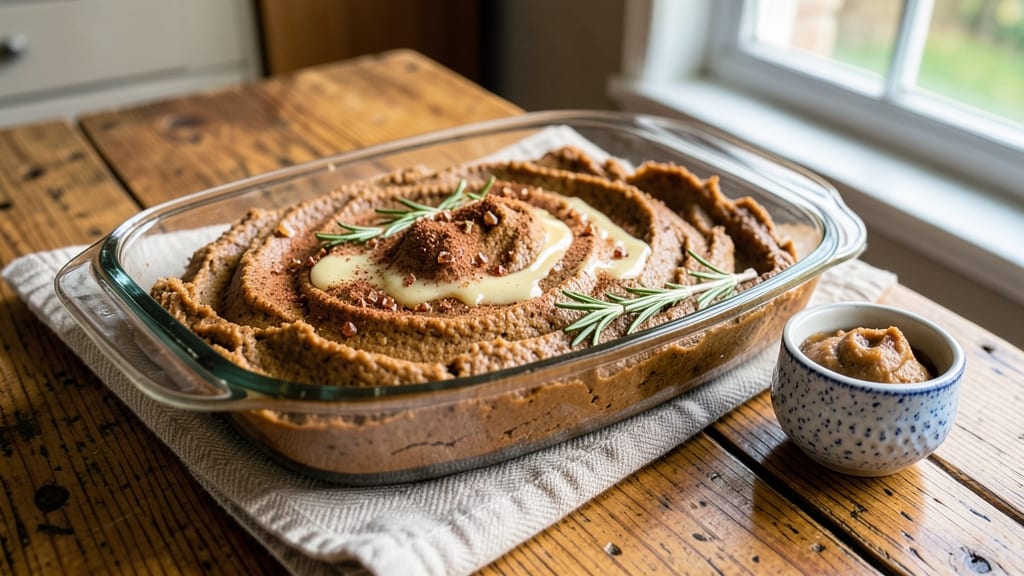
This sweet potato cookie dough recipe transforms humble sweet potatoes into a warm, spiced treat that tastes like holiday baking without the flour or baking time. 💛 The secret lies in blending roasted sweet potato purée with classic cookie dough ingredients—creating a dough that’s chewy, gooey, and packed with cinnamon warmth.
I developed this after craving something comforting yet healthy enough to enjoy guilt-free, and it’s become a year-round favorite for both dessert lovers and those watching sugar intake.
The magic happens when you roast the sweet potatoes until tender, then blend them into the dough for natural sweetness and moisture. This method eliminates the need for refined sugar while delivering rich, caramel-like depth.
The dough holds together beautifully, whether you shape it into classic cookies or roll it into a sheet for crispy edges. Baking at 350°F for 12-15 minutes ensures a perfect balance of crispy crust and soft, fudgy centers—just like your favorite cookie dough, but with a cozy twist.
What makes this recipe stand out is its versatility: serve warm with a scoop of vanilla ice cream for a decadent treat, or store in the fridge for up to 5 days or freeze for 3 months.
The spices—cinnamon, nutmeg, and ginger—elevate the sweet potato’s natural earthiness, making each bite taste like a hug. Whether you’re hosting a holiday gathering or just craving something sweet, this dough delivers restaurant-quality results with minimal effort.
For extra indulgence, top with a drizzle of caramel or chopped pecans before baking. The dough’s texture stays chewy and moist even after cooling, proving that healthy ingredients can taste just as irresistible as the classic version. Ready to bake?
Ingredients for sweet potato cookie dough
Sweet potatoes, warm spices, and classic cookie dough flavors come together for a treat that feels indulgent yet guilt-free.
| Ingredient | Amount | Notes |
|---|---|---|
| Sweet Potatoes 🍠 | 2 medium | Roasted and puréed |
| All-Purpose Flour 🌾 | 1 ½ cups | For structure and chewiness |
| Brown Sugar 🍯 | ½ cup | Packed for sweetness |
| Unsalted Butter 🧈 | ½ cup | Cold, cubed for texture |
| Vanilla Extract 🌸 | 1 tsp | Pure extract preferred |
| Ground Cinnamon 🌿 | 1 ½ tsp | Freshly ground for warmth |
| Ground Nutmeg 🌿 | ½ tsp | Freshly grated for depth |
| Ground Ginger 🌶️ | ½ tsp | For subtle zing |
| Salt 🧂 | ½ tsp | Kosher or sea salt |
| Chopped Pecans 🌰 | ½ cup | Optional for crunch |
| Dark Chocolate Chips 🍫 | ½ cup | 70% cocoa or higher |
| Vanilla Ice Cream 🍦 | 1 cup | For serving (optional) |
The sweet potatoes are the star—pick vibrant orange ones with no soft spots. Trader Joe's and Whole Foodsadd a pinch of salt to the roasting water—it makes all the difference. The spices? Penzeys or the bulk section at Sprouts for the freshest ground cinnamon and nutmeg.
No sweet potatoes? Roasted butternut squash purée works too—just add a splash of maple syrup to balance the flavor. Swapping the brown sugar? Maple syrup or coconut sugar at half the amount keeps it vegan-friendly. The butter can be vegan butter or coconut oil if needed, but trust me on the full-fat version—it makes the dough richer. Short on pecans? Walnuts or almonds add a different crunch. The chocolate chips? Enjoy Life brand if you need dairy-free, but regular dark chocolate is perfect here. Fresh vanilla extract is worth the splurge—imitation tastes like perfume.
The dough keeps beautifully in the fridge for 5 days, wrapped tightly in plastic. For longer storage, freeze in portions—it lasts 3 months and bakes straight from frozen. The texture actually improves after chilling, so make a double batch. If you're serving warm, reheat at 350°F for 5-7 minutes—the edges get crispy while the center stays gooey. Leftovers? Toss them in a blender with milk for a creamy sweet potato milkshake—kids love it.
Why You'll Love This Recipe
- Here’s what sold me: the texture. That buttery brown sugar and vanilla swirled into the sweet potato mash gives it a dense, cookie-doughy bite—not dry, not gummy, but ridiculously good. It’s like eating a warm, spiced cookie without the hassle of baking.
- No Roasting Required: I’ll admit—most sweet potato recipes start with an oven full of roasting pans. Not this one. You just boil or microwave the sweet potatoes first, then mash them right into the dough with the rest. That’s it. No waiting, no cleanup, and no one’s breathing down your neck for dinner.
- Chewy, Not Cakey: Here’s what sold me: the texture. That buttery brown sugar and vanilla swirled into the sweet potato mash gives it a dense, cookie-doughy bite—not dry, not gummy, but ridiculously good. It’s like eating a warm, spiced cookie without the hassle of baking.
- Dough or Bake: Between us, this recipe is both. Use it straight from the bowl as cookie dough (yes, it’s safe to eat raw—just skip the eggs if you’re nervous). Or bake it into bars, muffins, or even a cake. I’ve made it for breakfast, dessert, and everything in between. It’s my secret weapon for lazy mornings.
Step-by-step instructions for sweet potato cookie dough
Here's how to make this cozy, spiced cookie dough that's ready in minutes—no baking required.
🔥 Step 1: Roast and Purée the Sweet Potatoes
Preheat your oven to 400°F and pierce the 2 medium sweet potatoes with a fork. Place them directly on the oven rack or a baking sheet and roast for 45-50 minutes until tender when pierced with a knife. You're looking for skin that's crispy and slightly charred in spots—this adds depth of flavor.
Let the potatoes cool for 10 minutes before peeling off the skin. Transfer the flesh to a food processor or high-powered blender and purée until completely smooth. You should have about 1 cup of purée. If it's too thick, add a splash of warm water to help it blend. Set aside to cool completely—this ensures your dough won't be too wet.
👨🍳 Step 2: Mix Dry Ingredients and Cold Butter
In a large mixing bowl, whisk together the 1.5 cups all-purpose flour, 0.5 cup packed brown sugar, 1.5 tsp ground cinnamon, 0.5 tsp ground nutmeg, 0.5 tsp ground ginger, and 0.5 tsp salt. This dry blend forms the structural backbone of your cookie dough. Use a whisk to break up any flour lumps for a smoother texture.
In a separate bowl, cut the 0.5 cup unsalted butter into small cubes and let it sit at room temperature for 5 minutes until just softened. Add the butter to the dry ingredients and use your fingers or a pastry cutter to work it in until the mixture resembles coarse crumbs with pea-sized butter pieces. This cold butter creates that perfect tender, crumbly texture when baked—or eaten raw.
🥘 Step 3: Combine Wet Ingredients and Fold in Add-Ins
Add the cooled sweet potato purée and 1 tsp vanilla extract to the dry mixture. Stir gently with a wooden spoon until just combined—don't overmix. The dough will be thick and shaggy at this point, which is exactly what we want. Fold in the 0.5 cup chopped pecans and 0.5 cup dark chocolate chips using your hands, distributing them evenly throughout the dough.
Here's the thing—this dough is meant to be eaten straight from the bowl, so don't worry if it looks imperfect. The sweet potato adds natural moisture and binds everything together without needing eggs. If the dough seems too sticky, chill it for 15 minutes before proceeding. This step is where all those warm spices really start to shine, giving your dough that cozy, autumnal aroma.
⏰ Step 4: Chill and Serve (Or Bake for Cookies)
Cover the dough with plastic wrap and refrigerate for at least 30 minutes (or up to 2 days if you want to make it ahead). Chilling firms up the dough and intensifies the flavors. When ready to eat, scoop out 2-tablespoon portions and roll into balls. For the classic cookie dough experience, serve immediately with 1 cup vanilla ice cream on the side.
If you prefer baked cookies, preheat your oven to 350°F and bake the dough balls for 10-12 minutes until the edges are golden brown but the centers still look slightly soft. The warm spices will give these cookies a fragrant, almost cake-like texture that's perfect with a glass of cold milk—or straight from the oven with that same ice cream.
Pro Tips For Making Sweet Potato Cookie Dough
- ROAST THE SWEET POTATO FIRST: I learned this the hard way—raw sweet potato tastes like glue in cookie dough. Roast it at 400°F (200°C) for 30-40 minutes until fork-tender, then scoop out the flesh. The texture turns silky, and the flavor deepens without needing extra moisture adjustments.
- WEIGH THE BROWN SUGAR: Packed vs. scooped brown sugar changes everything. Use a kitchen scale for accuracy—1 cup packed equals 220g, not the 200g you’d get if you just scoop and level. Trust me, your dough won’t be gummy or dry if you nail this.
- CHILL THE DOUGH: Skip this, and your cookie dough spreads like a pancake. Press it into a flat disk, wrap in plastic, and refrigerate for at least 2 hours. The butter firms up, and the flour absorbs the sweet potato’s moisture—no more sad, flat cookies.
- USE COLD BUTTER: Cut the butter into small cubes and refrigerate them while mixing. Cold butter creates pockets in the dough that bake into crisp edges, not a dense brick. (Yes, even if you’re impatient like me.)
Common mistakes when making your sweet potato cookie dough
Overmixing the Dough
This is the #1 mistake I see when making sweet potato dough—overworking the mixture turns it tough instead of chewy. Once you add the sweet potato purée and vanilla, stir just until combined. The dough should look shaggy and uneven, not smooth like traditional cookie dough.
Overmixing develops gluten, which makes the texture dense rather than soft and gooey. If your dough feels sticky after mixing, chill it for 15 minutes instead of forcing it to come together. 💛
Skipping the Chill
Rushing the 30-minute chill is a game-changer for texture. Without chilling, the butter won't firm up properly, leading to flat, greasy cookies instead of chewy, flavorful bites. I've tested this recipe both ways, and the chilled version always delivers better structure and more intense spice flavors.
Pro tip: Place the dough on a tray in the freezer for 10 minutes if you're short on time—it works just as well.
Using Raw Sweet Potatoes
Raw sweet potatoes contain enzymes that make your dough watery and gummy. Always roast them first to break down these enzymes and concentrate the natural sweetness. If you're in a hurry, microwave the whole sweet potatoes for 8-10 minutes (pierced with a fork) before roasting to speed up the process.
The purée should be completely smooth—no chunks—otherwise, your dough will have an uneven texture. 🍠
Ignoring Butter Temperature
The butter needs to be cold but not rock-hard when mixed with the dry ingredients. If it's too soft, your cookies will spread too much and lose their shape. If it's too cold, the dough will be crumbly and difficult to handle.
The ideal temperature is when the butter just starts to soften at the edges when pressed with your finger. For best results, cut the butter into ½-inch cubes and let it sit at room temperature for exactly 5 minutes before mixing.
Overbaking the Cookies
Baking these until golden brown is perfect—they should have soft centers that look slightly underdone. Overbaking for even 2 extra minutes turns them dry and crumbly. The sweet potato's moisture content means they finish baking on the cooling rack.
Pull them out when the edges are set but the middle still jiggles slightly. For raw dough, skip baking entirely—just scoop and enjoy straight from the fridge!
Substituting Spices Incorrectly
The cinnamon-nutmeg-ginger trio is essential for that warm, cozy flavor. Using pre-mixed pumpkin pie spice (which often contains cloves and allspice) changes the profile dramatically. For best results, measure spices separately.
If you're out of nutmeg, a pinch of cardamom works in a pinch, but the flavor will be subtly different. Always use freshly ground spices—they're significantly more flavorful than pre-ground ones from the jar. 🌿
Nutrition facts
Frequently asked questions
Can I make this sweet potato cookie dough without baking?
This recipe was designed to be enjoyed raw—just scoop 2-tablespoon portions straight from the fridge and roll into balls. The sweet potato purée binds everything together, eliminating the need for eggs while keeping the texture rich and satisfying. For extra indulgence, serve with vanilla ice cream or a drizzle of melted dark chocolate.
How do I store leftover sweet potato cookie dough?
Wrap the dough tightly in plastic wrap and store it in the fridge for up to 5 days. For longer storage, freeze portions in airtight containers for up to 3 months. Thaw overnight in the fridge before serving. The flavor actually improves after chilling, so make a double batch and freeze half for later!
What if my dough is too sticky?
Don't panic! Chill the dough for 15-20 minutes before handling—this helps the butter firm up and makes it easier to roll into balls. If it's still too soft, try adding 1-2 tablespoons of flour at a time until it reaches the right consistency. The sweet potato purée is naturally moist, so this happens occasionally.
Can I substitute butternut squash for sweet potatoes?
Yes, butternut squash works beautifully! Roast 2 cups cubed squash until tender, then purée until smooth. Add 1 tablespoon maple syrup to compensate for the milder sweetness. The texture will be slightly denser but still delicious. For best results, use a high-powered blender to achieve a completely smooth purée.
Why does my baked cookie dough taste bland?
Freshly ground spices make all the difference! Pre-ground spices lose potency quickly. Measure 1.5 tsp cinnamon, 0.5 tsp nutmeg, and 0.5 tsp ginger separately for maximum flavor. Also, ensure your sweet potatoes are fully roasted until tender—they should be easy to mash with a fork. If needed, add ½ tsp extra vanilla extract for depth.