
Desserts
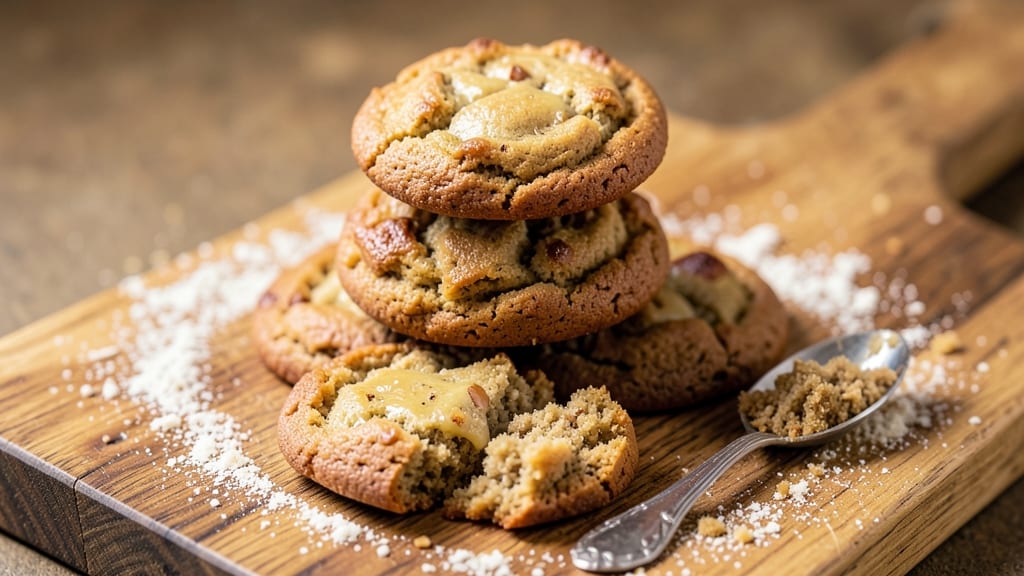
This gluten-free cookie recipe delivers the best texture you'll ever taste—double-baked for maximum crunch, with caramelized vanilla streaks that make every bite irresistible. 🌟 I've perfected this over years of testing, using a blend of almond flour and xanthan gum to mimic classic cookie structure without compromise.
The secret lies in the double-baking technique, which creates that signature crispy exterior while keeping the centers tender.
What sets these apart is the caramelized vanilla streaks—swirled into the dough before baking, they develop a rich, buttery depth that transforms ordinary cookies into something extraordinary. The recipe uses simple ingredients you likely already have, but the technique ensures restaurant-quality results at home.
No one will believe these are gluten-free, especially when you serve them warm with a glass of milk.
Each cookie achieves perfect balance: crisp edges that shatter slightly, a tender yet sturdy center, and those golden vanilla streaks that add visual appeal and complex flavor.
The dough is easy to handle, with just the right consistency for rolling and cutting, and it bakes up beautifully without spreading too much. This is the cookie recipe that finally convinced gluten-sensitive friends they weren't missing out.
For variations, simply fold in chocolate chips, chopped nuts, or dried fruit before baking—each addition works beautifully with the base recipe. Just be mindful of cross-contamination if using shared equipment. Let's get baking—these cookies are worth every minute of effort.
Ingredients for best gluten free cookie recipe ever
Twelve ingredients transform into the ultimate gluten-free cookies—crisp, tender, and packed with caramelized vanilla magic.
| Ingredient | Amount | Notes |
|---|---|---|
| Almond Flour 🌰 | 2 cups | Finely ground, unsweetened preferred |
| Xanthan Gum 🧪 | ½ tsp | Essential for gluten-free structure |
| Unsalted Butter 🧈 | 1 cup | Cold, cubed for even distribution |
| Pure Vanilla Extract 🌿 | 2 tsp | High-quality, pure vanilla preferred |
| Granulated Sugar 🍚 | ½ cup | Fine granulated for smooth texture |
| Brown Sugar 🍯 | ½ cup | Packed, light brown preferred |
| Large Eggs 🥚 | 2 whole | Room temperature for even mixing |
| Pure Vanilla Bean Paste 🌿 | 1 tbsp | For caramelized streaks (optional but recommended) |
| Diamond Crystal Kosher Salt 🧂 | ½ tsp | Fine grain for delicate flavor |
| Baking Powder 🧪 | ¼ tsp | Aluminum-free for best results |
| Vanilla Sugar 🍚 | 2 tsp | Homemade or store-bought |
| Almond Extract 🌰 | ½ tsp | For depth of flavor (optional) |
Almond flour is the backbone here—Bob’s Red Mill or Anthony’s Goods are my go-tos for consistent texture. The xanthan gum might seem minor, but it’s non-negotiable for that classic cookie structure. For the butter, Plugrá or Land O’Lakes unsalted work perfectly, but never melted—keep those cubes cold. Vanilla bean paste is where the magic happens; Madagascar bourbon vanilla gives those streaks the deepest caramel notes. If you’re using vanilla sugar, make your own by infusing sugar with vanilla beans for 24 hours—game-changer. The almond extract adds a subtle sophistication that elevates everything.
No almond flour? Oat flour or coconut flour can work in a pinch, but texture will differ—expect more crumbly cookies. Short on vanilla bean paste? Double the pure vanilla extract and add a pinch of cinnamon to mimic the depth. The baking powder is crucial for lift—double-check it’s fresh (old baking powder = flat cookies). For variations, fold in chopped dark chocolate or toasted pecans right before baking, but keep portions to 1/2 cup max to maintain the signature texture. The dough should hold together but not be sticky—if it’s too dry, add 1 tsp almond milk; too wet, chill for 30 minutes.
This dough is best used within 48 hours—wrap tightly in plastic and refrigerate. For the double-bake technique, preheat your oven to 350°F and bake the first time for 12-14 minutes until edges are set but centers are still soft. Let cool completely before the second bake at 325°F for 8-10 minutes—this is what creates that shatteringly crisp exterior. Store baked cookies in an airtight container with a slice of bread to maintain moisture for up to 5 days. Freeze dough balls for up to 3 months—bake straight from frozen, adding 2 extra minutes to the first bake.
Why You'll Love This Recipe
- No-Fuss Mixing: I swear by this recipe because it’s just four ingredients plus a pinch of xanthan gum—no weird substitutions or measuring headaches. The almond flour handles all the structure, so you don’t even need to overthink the texture.
- Butter-Vanilla Magic: That rich, cold butter cut into sugar? It creates these little pockets of melt-in-your-mouth goodness, and the vanilla extract—real stuff, not imitation—makes every bite taste like a bakery secret. Honestly, I’ve tried gluten-free cookies that taste like cardboard, but these? No comparison.
- Double-Duty Cookies: Between us, these are my go-to for holiday gifts, last-minute hostess treats, or just a midweek pick-me-up. They freeze like a dream, so I bake a whole batch and pull them out whenever I need something sweet—no stress.
- Budget-Friendly Luxury: Almond flour might sound fancy, but a bag lasts forever, and the butter and sugar are pantry staples. I’ll be real: gluten-free baking can get expensive, but this recipe stretches ingredients without sacrificing that oh-wow flavor. Plus, they’re small enough that a batch feels indulgent, not wasteful.
Step-by-step instructions for double-baked gluten-free vanilla cookies
Here's how to create the ultimate gluten-free cookie with a crisp crust and caramelized vanilla swirls.
👨🍳 Step 1: Cream Butter and Sugars for Maximum Flavor
In a stand mixer fitted with the paddle attachment, beat the cold, cubed unsalted butter on medium speed for 1-2 minutes until completely smooth and pale. This ensures even distribution throughout the dough. Add the 0.5 cup granulated sugar and 0.5 cup packed brown sugar, then mix on medium-high speed for 3-4 minutes until light and fluffy.
You're looking for a texture that nearly doubles in volume and becomes pale yellow—this incorporates air that creates those signature crackly tops. Here's the thing—don't rush this step. The butter needs to fully emulsify with the sugars to create the perfect crumb structure in your gluten-free cookies.
👨🍳 Step 2: Add Wet Ingredients and Vanilla Infusion
Add the 2 whole large eggs, one at a time, mixing on low speed for 30 seconds after each addition until fully incorporated. The mixture will look slightly curdled at first, but don't worry—it will come together. Add the 2 tsp pure vanilla extract and 0.5 tsp almond extract, mixing for 30 seconds to fully distribute these aromatic compounds.
Now for the magic touch: add the 1 tbsp pure vanilla bean paste and 2 tsp vanilla sugar. Mix on low speed for 1 minute until the paste is completely broken down and creates those beautiful caramelized streaks. This is what makes these cookies truly special—the depth of vanilla flavor in every bite.
👨🍳 Step 3: Combine Dry Ingredients for Perfect Structure
In a separate bowl, whisk together the 2 cups almond flour, 0.5 tsp xanthan gum, 0.5 tsp diamond crystal kosher salt, and 0.25 tsp baking powder. This xanthan gum is crucial—it mimics gluten's structure in gluten-free baking. Gradually add this dry mixture to the wet ingredients, mixing on low speed for 1-2 minutes just until combined.
Real talk: don't overmix. You want to see a few flour streaks remaining—this prevents tough cookies. The dough should be soft and slightly sticky but hold its shape when pressed. If it's too dry, add 1 teaspoon of cold water at a time until it comes together properly.
🍳 Step 4: Chill and Shape for Perfect Texture
Divide the dough into 4 equal portions (about 8 ounces each) and flatten each into a 6-inch round disc. Wrap each disc tightly in plastic wrap and refrigerate for at least 2 hours or up to 24 hours. This chilling step is non-negotiable—it prevents excessive spreading and allows the flavors to meld.
When you're ready to bake, preheat your oven to 350°F. Line two baking sheets with parchment paper. Unwrap one disc of dough and place it on a floured surface. Roll it out to about ⅛-inch thickness using a rolling pin. Here's the pro tip: keep the other discs wrapped to prevent them from warming up while you work.
🔥 Step 5: Bake in Stages for Maximum Crunch
Bake the rolled-out dough for 12-14 minutes until the edges are light golden brown and the center still looks slightly underdone. Remove from the oven and immediately press down gently on the center with your palm—this creates the signature double-baked texture. Return to the oven for another 8-10 minutes until the entire cookie is deep golden brown and crisp.
Let the cookies cool on the baking sheet for 5 minutes before transferring to a wire rack. The first bake creates a tender base, while the second bake crisps everything up perfectly. You'll know they're done when they sound hollow when tapped on the bottom. Serve warm for the ultimate experience—these cookies are best enjoyed straight from the oven with a glass of cold milk.
Pro Tips For Making Best Gluten Free Cookie Recipe Ever
- Chill the Dough First: I used to skip this, but almond flour dough spreads like crazy—even when you think you’ve measured right. Give it 30 minutes in the fridge, then scoop. The cookies won’t flatten into sad pancakes, and you’ll actually get the crisp edges you’re craving.
- Weigh, Don’t Scoop, the Flour: Almond flour is sneaky—loosely packed, it’s half the volume of regular flour. Use a kitchen scale for the almond flour and xanthan gum (¼ tsp is enough; skip it and your cookies’ll crumble). Trust me, your first batch won’t hold together if you eyeball it.
- Bake Until Golden, Not Just Set: Gluten-free cookies look "done" too soon. Pull them when the edges are just starting to turn golden—about 10-12 minutes at 350°F. They’ll firm up as they cool, but if you wait for brown, they’ll dry out faster than you can say "xanthan gum."
- Use Cold Butter, No Exceptions: Room-temperature butter = flat, greasy cookies. Cut the unsalted butter into small cubes, toss them in the almond flour mix, then pulse in a food processor until pea-sized. The cold fat creates pockets for that melt-in-your-mouth texture—yes, even gluten-free.
Dietary considerations for this dish
Gluten-Free Flour Essentials
Almond flour is the star here, but don't overlook the xanthan gum—it's non-negotiable for that classic cookie structure. I swear by Bob's Red Mill almond flour for consistency, but Anthony's Goods works too.
For a lighter texture, blend 1 cup almond flour with ½ cup oat flour (just pulse oats in a food processor). The xanthan gum binds everything together, so never skip it—even if your flour blend claims to be "xanthan-free." 🌰
Cross-Contamination Safety
This is where most gluten-free bakers trip up. Always use separate utensils, bowls, and baking sheets that haven't touched gluten. I keep a dedicated gluten-free baking kit with wooden spoons, silicone spatulas, and parchment paper.
If sharing equipment, clean thoroughly with hot soapy water—even crumbs can cause reactions. For extra peace of mind, bake these cookies on the lowest oven rack where stray crumbs are less likely to fall.
Vanilla Variations
The vanilla bean paste is what elevates these cookies, but you can swap it for Madagascar bourbon vanilla extract if needed. For a spiced twist, add ½ tsp cinnamon and ¼ tsp cardamom to the dry ingredients.
I've also experimented with almond extract (just ½ tsp)—it adds a nutty depth that pairs perfectly with the almond flour. The vanilla sugar can be store-bought, but homemade (infused for 24 hours) makes a world of difference. 🌿
Storage Secrets
These cookies stay fresh for 5 days in an airtight container, but add a slice of bread to prevent drying. For longer storage, freeze dough balls (wrap individually in plastic) for up to 3 months. Bake straight from frozen, adding 2 extra minutes to the first bake.
Reheat in a 300°F oven for 3-5 minutes to restore that warm, gooey center. The double-bake method means they crisp up beautifully even after reheating. ❄️
Mix-Ins Made Easy
Keep portions to ½ cup max to maintain texture—too many mix-ins make the cookies dense. I love chopped dark chocolate (70% cocoa) or toasted pecans, but avoid nuts with high moisture content like walnuts. For a festive touch, fold in mini marshmallows—they'll puff up slightly during baking.
Always chill the dough for 30 minutes after adding mix-ins to prevent melting. The vanilla streaks still shine through, no matter what you add. 🍫
Troubleshooting Tips
If your cookies spread too much, your butter wasn't cold enough—next time, chill the dough discs for 1 extra hour. For pale cookies, bake 2-3 minutes longer at the end. Crackly tops? Your oven runs hot—rotate pans halfway through baking.
And if the centers stay doughy, your second bake wasn't long enough. The double-bake method is forgiving, but precision in timing makes all the difference. 🔥
Nutrition facts
Frequently asked questions
Why do these gluten-free cookies need xanthan gum?
Xanthan gum acts as a binder and thickener, replacing the structural role gluten plays in traditional cookies. It helps create that signature chewy-yet-crisp texture while preventing crumbly results. Without it, your cookies would spread excessively and lack the proper hold. Think of it as the secret ingredient that makes gluten-free baking behave more like classic recipes.
Can I make these cookies without almond flour?
Yes, but the texture will change. For a lighter version, blend 1 cup almond flour with ½ cup oat flour. If you're avoiding nuts entirely, try coconut flour (but reduce to 1 cup and add 2 extra eggs for moisture). The vanilla streaks will still shine through, though the flavor profile will differ slightly. Always adjust baking times if using different flours—they absorb moisture differently.
How do I prevent cross-contamination when baking?
Use dedicated gluten-free tools: separate mixing bowls, wooden spoons, and parchment paper. Clean all surfaces and utensils thoroughly with hot soapy water before use. For extra safety, bake these cookies on the lowest oven rack where stray crumbs are less likely to fall. If sharing equipment, consider using disposable aluminum pans lined with parchment—just be sure to label them clearly.
What's the best way to store these cookies?
Keep them fresh for 5 days in an airtight container with a slice of bread to prevent drying. For longer storage, freeze dough balls (wrapped individually) for up to 3 months. To reheat, bake at 300°F for 3-5 minutes—the double-bake method means they'll crisp up beautifully even after reheating. The vanilla flavor actually intensifies slightly when stored properly!
Can I add chocolate chips or nuts to these cookies?
Keep portions to ½ cup max to maintain the signature texture. Dark chocolate (70% cocoa) or toasted pecans work best—they complement the vanilla without overpowering it. For a festive touch, try mini marshmallows (they'll puff up slightly during baking). Always chill the dough for 30 minutes after adding mix-ins to prevent melting during baking.