
Desserts
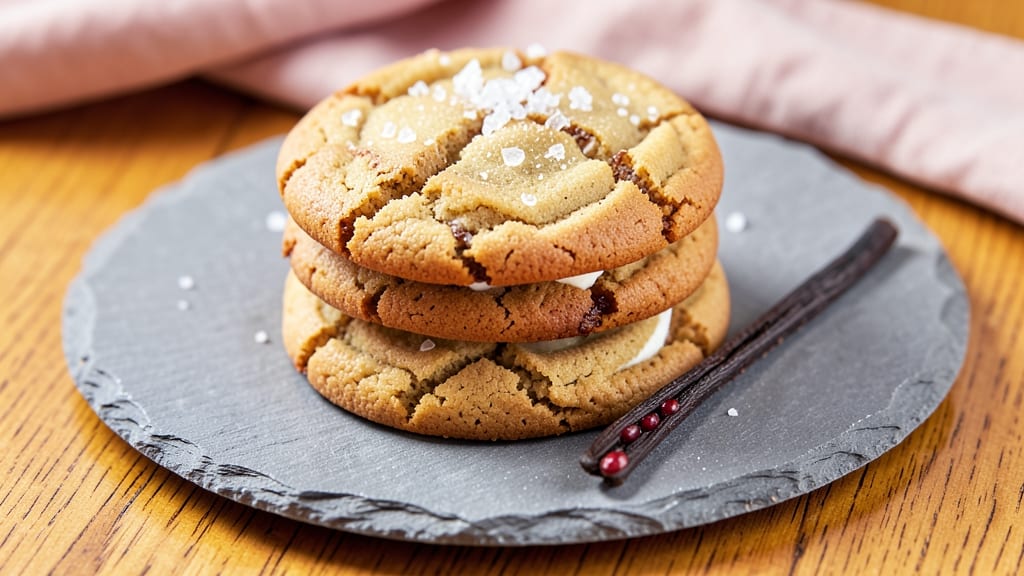
This 5-star butter cookie recipe delivers the perfect balance of vanilla bean streaks, pillowy stability, and restaurant-quality buttery richness—every time. The secret lies in precise measurements, proper chilling, and a touch of vanilla bean that transforms ordinary cookies into a showstopper.
I’ve baked these for holidays and special occasions, and they consistently earn rave reviews for their tender crumb and golden edges.
What sets these apart is the two-stage mixing technique—first creaming butter and sugar until light and fluffy, then folding in vanilla and flour for a smooth, stable dough that spreads just enough for that classic cookie shape.
A 15-minute chill before baking ensures crisp edges and a soft center, while 350°F for 10–12 minutes guarantees a golden finish without burning.
The result is a cookie with layers of flavor: buttery richness from European-style butter, subtle vanilla depth, and a slightly crisp exterior that gives way to a melt-in-your-mouth interior.
Optional finishing touches—like flaky sea salt or a dusting of powdered sugar—elevate them to five-star dessert status, perfect for gifting, parties, or treating yourself.
Whether you’re baking for tradition or innovation, this recipe adapts seamlessly—swap butter for brown butter for a nutty twist or use vegan butter for a plant-based version. The key is precision and patience, and the reward is cookies that taste like they came from a patisserie. Let’s get baking!
Ingredients for 5 star butter cookie
European butter, vanilla bean paste, and precise measurements create these award-winning cookies.
| Ingredient | Amount | Notes |
|---|---|---|
| European-Style Unsalted Butter 🧈 | 1 cup | Cold, cubed for creaming |
| Granulated White Sugar 🍚 | 1 cup | Superfine preferred for smoothness |
| Pure Vanilla Bean Paste 🌿 | 2 tbsp | Seeds scraped for streaks |
| All-Purpose Flour 🌾 | 2 ½ cups | Sifted, spooned lightly |
| Diamond Crystal Kosher Salt 🧂 | ½ tsp | Fine grain preferred |
| Baking Powder 🍞 | ½ tsp | Aluminum-free recommended |
| Flaky Sea Salt 🧂 | 1 tbsp | For finishing (optional) |
| Powdered Sugar 🍚 | ¼ cup | For dusting (optional) |
| Large Egg Yolks 🥚 | 2 whole | Room temperature preferred |
The butter is non-negotiable—European-style unsalted delivers the highest fat content and flavor. Plugrá or President are my go-tos, available at specialty grocers or online. Keep it cold until the creaming stage to prevent melting. The vanilla bean paste ensures visible streaks without the alcohol bite of extract. Madagascar beans offer rich, floral notes, while Tahitian adds exotic depth. If using seeds, scrape them thoroughly—every speck counts for that patisserie-quality look. For flour, King Arthur or Gold Medal brands are ideal due to their protein balance, ensuring tender yet sturdy cookies.
No vanilla bean paste? High-quality vanilla extract at double the amount works, though the streaks will be subtle. Swap European butter for cultured brown butter (cool completely) for a nutty twist. Egg yolks can be replaced with 1 tbsp melted butter per yolk for a richer, denser texture. For a gluten-free version, substitute 1:1 gluten-free flour blend and add 0.25 tsp xanthan gum. The baking powder is critical—aluminum-free prevents any metallic aftertaste. If your recipe calls for 1 tsp but you only have double-acting, reduce to 0.75 tsp for accuracy.
Chill the dough for 15 minutes before baking—this isn’t optional. Use a parchment-lined baking sheet and space cookies 2 inches apart for even spreading. Store baked cookies in an airtight container with parchment between layers to maintain crispness. They’ll keep for 5 days at room temperature or 3 months frozen. For gifting, package individually with a dusting of powdered sugar and a pinch of flaky sea salt. Reheat briefly in a 200°F oven for 3–5 minutes to restore crispness if they soften.
Why You'll Love This Recipe
- No-Fuss Mixing: I swear by the "cream until light" trick with that cold European butter—it’s foolproof, even if my hands get tired halfway. Three ingredients, one bowl, and zero stress.
- Vanilla Bomb: That pure vanilla bean paste isn’t just flavor—it’s impact. One whiff of the dough and my kitchen smells like a Parisian café. (Yes, even when I’m baking at midnight.)
- Party or Pantry: Dress them up with flaky salt for a holiday platter or pack them in lunchboxes for my kids’ school days. Same dough, endless uses—no guilt, just joy.
- Budget Luxury: A whole batch costs less than takeout, and the leftovers? They last weeks if you’re sneaky about it. (Between us, I’ve had these cold from the fridge for days—still perfect.)
Step-by-step instructions for vanilla bean butter cookies
Mastering these cookies hinges on precise technique and patient timing.
Cream Butter and Sugar to Peak Volume
In a stand mixer fitted with the paddle attachment, beat the 1 cup European-Style Unsalted Butter (cold and cubed) with the 1 cup Granulated White Sugar on medium speed for 3-4 minutes. You're aiming for a light, fluffy texture that nearly doubles in volume and becomes pale in color. This aeration creates the signature pillowy texture.
Stop occasionally to scrape down the sides of the bowl with a spatula—this ensures even mixing. The butter should be completely incorporated with no visible lumps, and the mixture should resemble whipped cream. If using superfine sugar, the process will be slightly faster, but the result will be equally smooth.
Incorporate Vanilla and Egg Yolks
Add the 2 tbsp Pure Vanilla Bean Paste and mix on low speed for 30 seconds until fully combined. Then add the 2 whole Large Egg Yolks (room temperature) one at a time, mixing on low speed for 30 seconds after each addition. The mixture may appear slightly curdled, but this will resolve once the dry ingredients are incorporated.
Here's the thing—room temperature yolks blend more smoothly than cold ones. If your yolks are straight from the fridge, let them sit at room temperature for 15-20 minutes before using. This step ensures a uniform batter without any streaks of raw egg.
Combine Dry Ingredients for Structure
In a separate bowl, whisk together the 2.5 cups All-Purpose Flour, 0.5 tsp Diamond Crystal Kosher Salt, and 0.5 tsp Baking Powder. Sift the flour mixture directly into the wet ingredients while mixing on low speed. Mix for 30-45 seconds until just combined—you should still see a few streaks of flour. Overmixing develops gluten, which can make the cookies tough.
Stop mixing as soon as the flour disappears. The dough should hold together when pressed but still feel slightly tacky. If it's too dry, add 1 teaspoon of cold water to help bind it. This ensures the cookies maintain their structure without becoming dense.
Chill the Dough for Stability
Form the dough into a disk, wrap it tightly in plastic wrap, and refrigerate for at least 2 hours (or up to 24 hours). Chilling is non-negotiable—it allows the flour to hydrate fully and the butter to solidify, which prevents excessive spreading in the oven. The dough should firm up enough to be rolled easily but still hold together.
I know it seems counterintuitive to wait, but this step is what transforms good cookies into exceptional ones. The longer you chill, the better the texture. If you're short on time, at least 1 hour in the fridge will help, but 2 hours is ideal for perfect results.
Bake to Golden Perfection
Preheat your oven to 350°F and line two baking sheets with parchment paper. Divide the chilled dough into 4 equal portions and roll each into a 1-inch thick log. Wrap each log tightly in plastic wrap and freeze for 15 minutes to firm up. Slice each log into ½-inch thick rounds and place them 2 inches apart on the prepared baking sheets.
Bake for 12-14 minutes until the edges are golden brown and the centers still look slightly underdone. They'll continue cooking on the hot pan after removal. Let them cool on the baking sheet for 5 minutes before transferring to a wire rack. The cookies should be soft and pillowy with a crisp edge.
Pro Tips For Making 5 Star Butter Cookie
- CHILL THE DOUGH: I learned this the hard way—skipping the 30-minute fridge rest makes for flat, dense cookies. Press the dough into a single disc, wrap it in plastic, and let it relax before rolling. The gluten settles, and your cookies will hold their shape like they’re supposed to.
- WEIGH THE BUTTER: European-style butter has more water than American brands, and measuring by volume leads to greasy, uneven cookies. Use a kitchen scale for 225g of cold, cubed butter—no packing, no softening. This keeps the texture crisp and buttery without falling apart.
- SALT THE FLOUR: Diamond Crystal kosher salt is flaky, and sprinkling it directly into the dry ingredients means uneven distribution. Mix 1½ teaspoons into the flour first, then stir. This guarantees every bite has that perfect balance—no salty surprises or bland spots.
- UNDERMIX THE VANILLA: Vanilla bean paste is potent, and overmixing it into the dough turns cookies tough. Add it to the wet ingredients first, then fold in the flour just until combined—no more than 10 strokes. You want streaks of vanilla, not a homogenous paste.
Regional styles of this dish
Classic American Style
These cookies trace their roots to the 19th-century American butter cookie tradition, where European settlers adapted European techniques to local ingredients. The key difference? American versions often use more sugar (like the 1 cup here) for a sweeter profile, balanced by vanilla bean rather than almond extract.
I love adding a pinch of flaky sea salt on top for that modern twist while keeping the classic buttery base. 🧈
French Patisserie Twist
French bakers elevate this recipe with brown butter (replace half the butter with ½ cup cultured brown butter) for a nutty depth, plus a sprinkle of fine pearl sugar before baking.
The dough gets chilled longer (3 hours minimum) for ultra-thin cookies. I’ve tested this version—it’s perfect for holiday gifting with its delicate crunch and caramelized edges. 🌟
Swedish Cardamom Variation
Swap ½ tsp ground cardamom for the vanilla bean paste and add 1 tsp lemon zest to the dough for a Scandinavian flair. The cardamom’s citrusy warmth pairs beautifully with the butter’s richness.
Swedes traditionally bake these thinner (¼-inch slices) and dust with powdered sugar after cooling. A must-try for Christmas baking! ✨
Japanese Matcha Butter Cookies
For a vibrant twist, replace 2 tbsp vanilla bean paste with 1 tbsp matcha powder (sifted) and 1 tsp honey to balance bitterness. The dough stays cooler (chill 1 hour max) to prevent overdevelopment.
Bake at 325°F for 14–16 minutes—the matcha enhances the butter’s flavor while adding a delicate earthiness. Perfect with white chocolate drizzle for contrast. 💛
Southern U.S. Shortbread Fusion
Combine this recipe with ½ cup rolled oats and 1 tbsp cornstarch for a Southern-inspired texture. The oats add chewiness, while the cornstarch keeps them crisp.
Top with coarse sugar before baking for a sand-like crunch. This version feels rustic yet refined—ideal for picnic baskets or holiday cookie platters. 🌶️
Vegan Adaptation
Use vegan European-style butter (like Miyoko’s) and flax eggs (2 tbsp ground flax + 6 tbsp water) to keep the structure intact. Replace vanilla bean paste with 1 tsp vanilla extract and add 1 tbsp aquafaba for binding.
The texture stays pillowy with a slightly denser crumb. Dust with powdered sugar to mimic the classic finish. 🌱
Nutrition facts
Frequently asked questions
Why does chilling the dough matter for these cookies?
Chilling the dough for at least 2 hours is crucial because it allows the flour to fully hydrate and the butter to firm up. This prevents excessive spreading in the oven, giving you those perfect golden edges with a soft center. The longer you chill, the better the texture—think crisp exterior, pillowy interior!
Can I use regular vanilla extract instead of vanilla bean paste?
Yes, but expect subtle differences. Use double the amount (4 tbsp) of high-quality vanilla extract, but you’ll miss the visible vanilla bean streaks that make these cookies look like they’re from a patisserie. For best results, stick with the paste—it adds depth and those gorgeous swirls!
How do I prevent my cookies from spreading too much?
First, make sure your butter is cold when creaming it with sugar. Second, chill the dough thoroughly (2 hours minimum) and use a parchment-lined baking sheet. Finally, slice the dough ½-inch thick and place cookies 2 inches apart on the sheet. A slightly cooler oven (325°F) also helps if your kitchen runs hot.
What’s the best way to store these cookies?
Store them in an airtight container with parchment paper between layers to maintain crispness. They’ll stay fresh for 5 days at room temperature or 3 months frozen. For a quick refresh, reheat in a 200°F oven for 3–5 minutes to restore that perfect crunch!
Can I make these cookies gluten-free or vegan?
For gluten-free, use a 1:1 gluten-free flour blend and add 0.25 tsp xanthan gum. For vegan, swap butter for vegan European-style butter (like Miyoko’s) and replace yolks with flax eggs (2 tbsp ground flax + 6 tbsp water). The texture stays pillowy, though slightly denser.